






What's Happening?
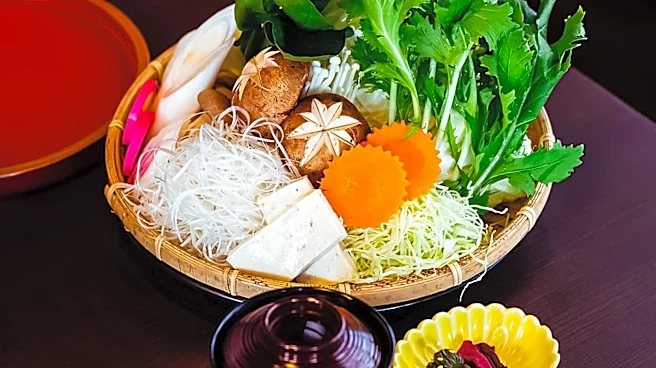
Kaiseki ryori is a traditional Japanese multi-course cuisine that emphasizes seasonality, delicate presentation, and a harmonious dining experience. Originating from simple meals served during tea ceremonies, it has evolved into a sophisticated culinary
art form that engages all five senses. The cuisine follows a structured course flow, typically beginning with rice and soup, and progressing through various dishes like sashimi, grilled items, and clear soups, each designed to highlight seasonal ingredients. The presentation is meticulously crafted, with tableware and even the dining environment adjusted to reflect the time of year. This culinary tradition is deeply rooted in Japanese aesthetics, particularly the philosophy of wabi-sabi, which finds beauty in imperfection and simplicity. It offers a unique way to experience Japan's changing seasons through food.
Why It's Important?
Kaiseki ryori is important as it represents a significant aspect of Japanese cultural heritage and culinary artistry. Its emphasis on seasonality and meticulous preparation offers a profound insight into Japanese values of harmony with nature and aesthetic appreciation. For the U.S. context, the growing interest in authentic international culinary experiences means that understanding and appreciating Kaiseki ryori can enrich cultural exchange and broaden the palate of American diners. It also highlights the global trend towards sustainable and locally sourced ingredients, a practice central to Kaiseki. The detailed etiquette and reservation processes associated with Kaiseki dining also offer lessons in cultural sensitivity and planning for those interested in international travel and fine dining experiences, potentially influencing how U.S. hospitality and culinary schools approach global cuisines.
What's Next?
For those interested in experiencing Kaiseki ryori, the next steps involve careful planning and reservation. Given that many high-end Kaiseki restaurants require advance bookings, often weeks ahead, and some may not accept direct international reservations, utilizing hotel concierges or specialized travel planners like ENJYU JAPAN is recommended. It is crucial to communicate any dietary restrictions well in advance, as traditional Kaiseki relies heavily on dashi (often made with bonito flakes) and seasonal seafood, making last-minute substitutions difficult. Travelers should also be aware of the expected dress code, which is typically smart casual, and the absence of a tipping culture in Japan. Exploring options like ryokan (traditional inns) that include Kaiseki dinners can be an accessible way for first-time visitors to experience this cuisine.
Beyond the Headlines
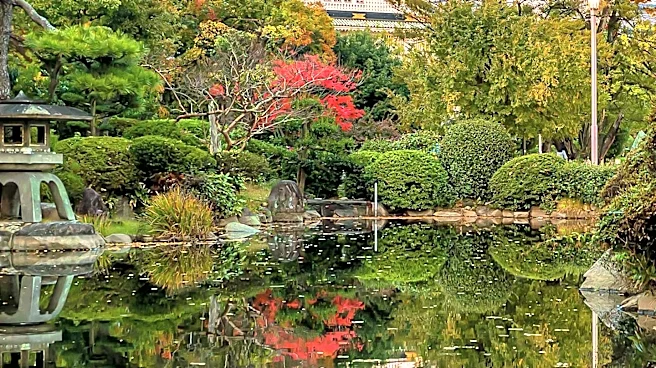
Beyond its culinary appeal, Kaiseki ryori offers deeper insights into Japanese philosophy and societal values. The concept of 'shun,' or peak seasonality, which dictates the ingredients used, reflects a profound respect for nature and its cycles. The meticulous presentation and the integration of tableware and dining space into the overall experience underscore the Japanese appreciation for holistic beauty and harmony. The origins of Kaiseki in Buddhist monastic practices, where it was a simple meal to ease hunger during tea ceremonies, highlight a historical connection between food, spirituality, and discipline. This evolution from austerity to refined elegance showcases a unique cultural trajectory. For a global audience, understanding Kaiseki ryori can foster a greater appreciation for the intricate relationship between food, culture, and philosophy, encouraging a more mindful approach to dining and an exploration of diverse cultural expressions.