




What's Happening?
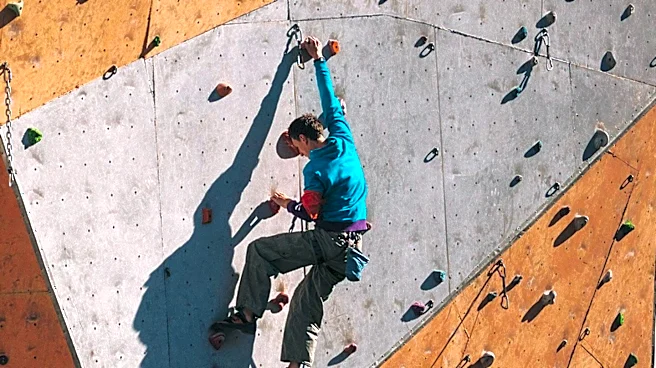
The Beaver Street Wall in San Francisco's Corona Heights Park is gaining attention as a unique urban climbing spot. This 60-foot rock formation, known for its shiny, slickenside surface, offers climbers a challenging and visually striking environment.
The wall's geological features, formed by fault line activity, make it a rare and valuable site for climbers. Historically, urban climbing spots like Beaver Street have played a significant role in the development of climbing techniques, with climbers using these areas to train for more challenging ascents in places like Yosemite. The wall is accessible to the public, and local climbing groups emphasize a 'leave no trace' policy to preserve its natural state.
Why It's Important?
The Beaver Street Wall represents a significant aspect of urban climbing culture, providing a space for climbers to practice and refine their skills within a city environment. Its accessibility and unique geological features make it an important training ground for climbers preparing for more demanding climbs. The site's history and continued use highlight the importance of urban climbing areas in fostering community and innovation within the sport. As climbing gains popularity, sites like Beaver Street offer valuable opportunities for engagement and skill development, contributing to the sport's growth and evolution.
Beyond the Headlines
The preservation of urban climbing sites like Beaver Street is crucial for maintaining the cultural and historical aspects of climbing. These sites offer a unique blend of natural beauty and urban accessibility, fostering a sense of community among climbers. The emphasis on environmental stewardship and responsible climbing practices at Beaver Street reflects broader trends in outdoor recreation, where sustainability and conservation are increasingly prioritized. As urban climbing continues to grow, the balance between accessibility and preservation will be key to ensuring these sites remain available for future generations.