







What's Happening?
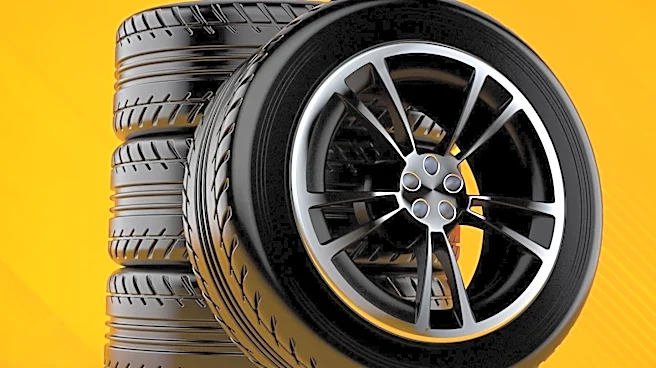
Michelin has introduced its new X Multi Energy D2 regional drive tire, specifically engineered for regional haul operations that involve frequent stop-and-start driving and challenging road conditions. This new tire features an updated tread pattern and a new tread compound,
designed to improve performance. A key component of its construction is the Duracore casing, which is built to last for up to one million miles and accommodate up to four retreads, significantly extending the tire's lifespan. According to Yahn Heurlin, VP of B2B marketing for Michelin North America, the development of this tire is driven by a deep commitment to understanding and addressing the needs and challenges faced by customers daily, aiming to help fleets operate more efficiently. The X Multi Energy D2 demonstrates a 9% improvement in rolling resistance compared to its predecessor. Additionally, it offers enhanced wet handling and improved snow-starting traction, while also meeting applicable greenhouse gas standards. The tire is currently available in two sizes: 295/75R22.5 LRG and 11R22.5 LRG and LRH, and is intended to replace the previous X Multi Energy D tire in these specific sizes.
Why It's Important?
The launch of the Michelin X Multi Energy D2 regional drive tire holds significant importance for the U.S. transportation and logistics industry. Improved rolling resistance, as seen with the 9% enhancement, directly translates to better fuel efficiency for regional haul fleets. This can lead to substantial cost savings for businesses, especially given fluctuating fuel prices, and contributes to reduced operational expenses. The extended lifespan of the Duracore casing, allowing for up to one million miles and four retreads, offers a significant return on investment for fleet owners by reducing the frequency of tire replacements and associated maintenance costs. Furthermore, the tire's compliance with greenhouse gas standards aligns with growing environmental regulations and corporate sustainability goals, helping fleets reduce their carbon footprint. Enhanced wet handling and snow-starting traction improve safety and reliability for drivers operating in diverse weather conditions, minimizing downtime and potential accidents. This innovation supports the efficiency and sustainability objectives of the U.S. trucking sector, which is a critical component of the national economy.
What's Next?
Following its launch, the Michelin X Multi Energy D2 regional drive tire will be integrated into regional haul fleets across the U.S. Fleet operators will likely evaluate its performance in real-world conditions, focusing on fuel efficiency gains, durability, and overall cost-effectiveness. Michelin will continue to monitor market feedback and potentially expand the tire's availability to additional sizes or applications based on demand and performance data. Competitors in the tire manufacturing industry may respond with their own innovations to match or surpass the X Multi Energy D2's features, fostering further advancements in tire technology for commercial vehicles. The adoption of this tire could also influence industry standards for fuel efficiency and environmental performance in the trucking sector. Over time, the widespread use of such advanced tires could contribute to broader trends in sustainable logistics and reduced emissions within the U.S. transportation network.
Beyond the Headlines
The introduction of advanced tires like the Michelin X Multi Energy D2 reflects a broader industry trend towards integrating sustainability and operational efficiency in commercial transportation. Beyond the immediate benefits of fuel savings and extended lifespan, this development highlights the critical role of material science and engineering in addressing complex challenges like climate change and economic pressures. The emphasis on reduced rolling resistance and compliance with greenhouse gas standards underscores a growing commitment within the manufacturing sector to support environmental stewardship. This also points to a future where every component of a commercial vehicle is optimized for minimal environmental impact and maximum economic benefit. The ability to retread tires multiple times also promotes a circular economy model, reducing waste and conserving resources. This technological advancement in tire design is not just about a product; it's indicative of a systemic shift towards more responsible and efficient industrial practices that will shape the future of logistics and transportation.