






What's Happening?
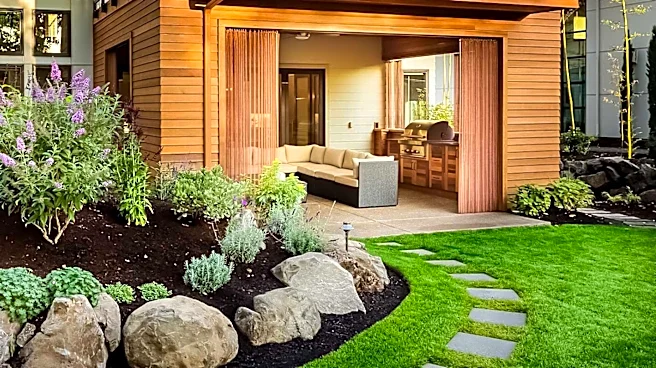
Prefabricated backyard studios are increasingly being adopted as a practical solution for homeowners seeking to expand their usable space. This construction method involves manufacturing significant components of the studio in a controlled environment
before they are transported and assembled on-site. This approach offers a streamlined building process compared to traditional construction. These studios are versatile and can be customized for various purposes, including home offices, art or music studios, yoga rooms, guest accommodations, or private retreats. The growing availability of these options provides homeowners with numerous choices, emphasizing the importance of considering construction quality, insulation, layout, and customization options when selecting a studio. AI-powered design tools are also emerging to assist homeowners in visualizing and planning these outdoor additions efficiently.
Why It's Important?
The rise of prefabricated backyard studios signifies a shift in how homeowners approach space utilization and construction. This trend offers a cost-effective and time-efficient alternative to traditional home additions, potentially impacting the construction and real estate industries by introducing more accessible and flexible housing solutions. For individuals, these studios provide dedicated spaces that can enhance work-from-home capabilities, support hobbies, or offer additional income through rental opportunities, such as Accessory Dwelling Units (ADUs). The emphasis on customization allows these structures to meet diverse lifestyle needs, making them a valuable asset for property owners looking to maximize their existing land without extensive renovations to their main residence. This also highlights a growing consumer demand for adaptable and quickly deployable living or working spaces.
What's Next?
The market for prefabricated backyard studios is expected to continue expanding, with further innovations in design, materials, and construction techniques. We may see increased integration of smart home technologies and sustainable building practices within these units. Local zoning regulations and permitting processes will likely adapt to accommodate the growing demand for ADUs and similar structures, potentially streamlining the approval process for homeowners. The competition among manufacturers will likely lead to more diverse offerings and competitive pricing, making these studios even more accessible. Additionally, the use of AI-powered design tools is anticipated to become more sophisticated, offering homeowners even greater control and visualization capabilities in planning their backyard spaces.
Beyond the Headlines
The increasing adoption of prefabricated backyard studios reflects broader societal trends towards flexible living, remote work, and efficient space utilization. This movement challenges traditional notions of home expansion and property development, promoting a more modular and adaptable approach to residential architecture. Ethically, it raises questions about sustainable land use and the potential for increased density in suburban areas. Culturally, these studios represent a desire for dedicated personal spaces within the home environment, catering to a growing need for privacy, focus, and creative outlets. The long-term impact could include a redefinition of property value, with the inclusion of versatile backyard structures becoming a significant selling point, and a shift in urban planning towards more compact and multi-functional residential layouts.