


What's Happening?
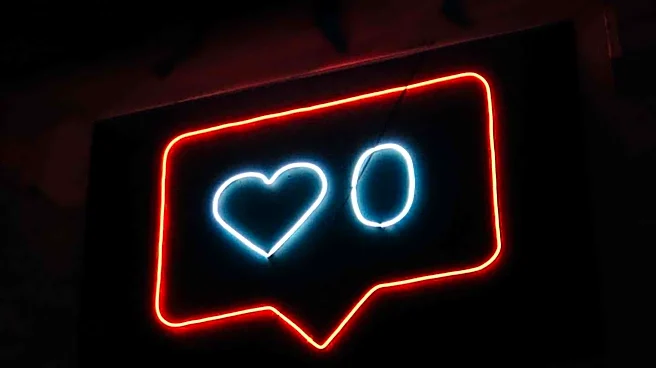
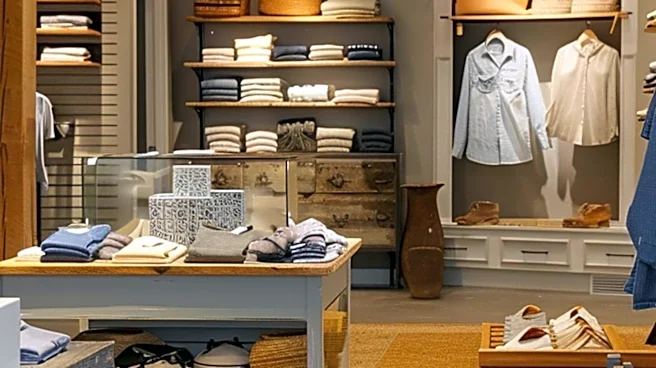
A gift shop in Nantucket has sparked controversy by posting a 'No Influencers' sign, reflecting growing tensions between influencers and the public. The sign, intended as a joke for locals, was posted on Instagram and quickly gained attention, drawing
criticism from influencers like Paige Paul, who viewed it as a slight against the predominantly female industry. The store's owner, John Sylvia, explained that the sign was a response to the frustration of locals feeling like extras in influencers' videos. This incident highlights the broader societal discomfort with the pervasive presence of influencers, who are often seen as intrusive in public spaces.
Why It's Important?
The incident underscores the complex relationship between influencers and the public. While influencers can drive business and cultural trends, their omnipresence can lead to public backlash, as seen in Nantucket. This reflects a broader societal tension where the benefits of influencer marketing are weighed against the perceived intrusion into everyday life. The backlash also highlights the precarious nature of the influencer industry, which, despite its growth, lacks a professional code and faces criticism for its impact on social norms and consumer behavior.
What's Next?
The Nantucket store's experience may prompt other businesses to reconsider their policies towards influencers, balancing the potential for increased exposure with the desire to maintain a certain atmosphere. As the influencer industry continues to evolve, it may face increased scrutiny and regulation, particularly in tourist-heavy areas. This could lead to a reevaluation of how influencers operate in public spaces and the development of new norms governing their interactions with businesses and the public.
Beyond the Headlines
The backlash against influencers also raises questions about the sustainability of the attention economy and its impact on mental health and societal values. As AI and other technologies offer alternative sources of lifestyle advice, the role of influencers may shift, potentially reducing their influence. This could lead to a more diversified media landscape where traditional and new media coexist, each catering to different audience needs.