







What's Happening?
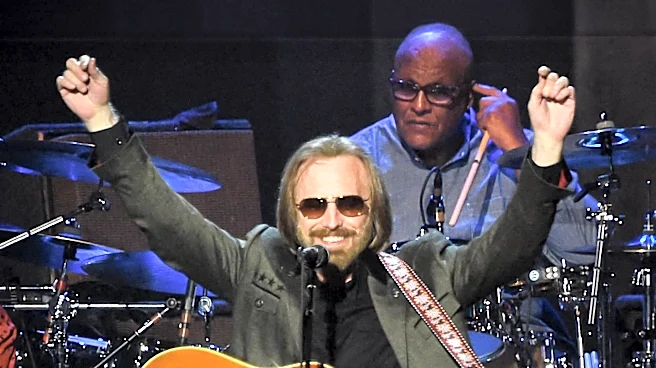
In 1989, musician Tom Petty faced initial rejection from his record label for his album 'Full Moon Fever.' The label's primary concerns were the album's short length, containing only nine songs, at a time when CDs were gaining popularity and longer albums
were preferred. Petty, known for his independent approach to music creation, was pressured to add more material. To address this, he recorded a cover of The Byrds' song 'I’ll Feel A Whole Lot Better' to extend the album's runtime. This addition, along with the strength of other tracks like 'Free Fallin',' ultimately led to the album's acceptance and subsequent success. Petty's career was marked by instances of battling his record company over creative control and song copyrights, as seen during the recording of his album 'Damn the Torpedoes.'
Why It's Important?
This event highlights the historical tension between artistic integrity and commercial demands within the music industry. Petty's experience with 'Full Moon Fever' demonstrates how a record label's initial assessment, driven by market trends like CD length, could overlook the artistic merit and commercial potential of an album. The success of 'Full Moon Fever,' despite its initial rejection, underscores the importance of a single hit song in changing a label's perspective and the artist's resilience in navigating such challenges. This dynamic has long-term implications for how artists negotiate creative freedom versus commercial viability, influencing contract terms and the production process in the U.S. music industry. It also illustrates the power of an artist's catalog and reputation in overcoming initial industry skepticism.
What's Next?
While this event is historical, its implications continue to resonate in the music industry's ongoing evolution. Artists today still grapple with similar pressures from labels regarding album length, single choices, and marketability, especially with the rise of streaming platforms and new consumption patterns. The legacy of artists like Tom Petty, who fought for creative control, serves as a precedent for contemporary musicians advocating for their artistic vision. Future negotiations between artists and labels will likely continue to balance creative freedom with commercial expectations, potentially leading to new models for album releases and artist-label relationships that prioritize both artistic expression and market success.
Beyond the Headlines
The story of 'Full Moon Fever' delves into the deeper cultural and economic aspects of the music business. It reveals how an artist's personal battles with their label can become part of their public narrative and even inspire future works, as suggested by Petty's later song 'Into the Great Wide Open,' which subtly critiques the A&R process. This dynamic reflects a broader struggle for autonomy in creative fields, where commercial entities often seek to standardize and monetize artistic output. The incident also highlights the subjective nature of 'hits' and how a single track can redefine an entire project's perceived value, influencing not only sales but also an artist's legacy and their relationship with their audience.