








What's Happening?
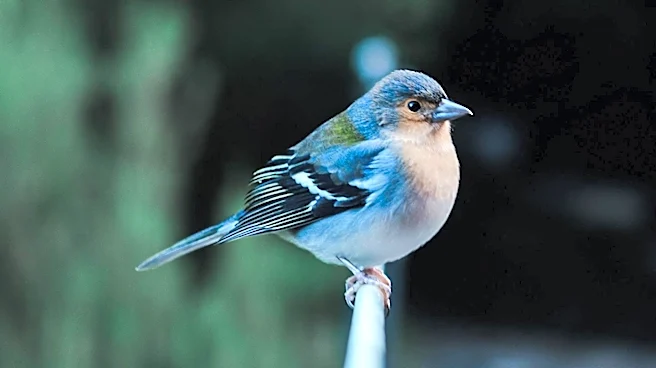
Recent research suggests that birding, the practice of observing birds in their natural habitat, can significantly boost mental health and foster community connections. Studies have shown that birding can enhance mindfulness, reduce stress, and improve
mood. The activity has gained popularity, especially during the pandemic, as people seek ways to connect with nature and improve their well-being. Birding not only engages multiple senses but also encourages mindfulness and a deeper connection to the environment. It has been linked to improved cognitive functions such as memory and attention, and it may even support mental health conditions like anxiety and depression.
Why It's Important?
The growing interest in birding highlights its potential as a low-cost, accessible intervention for mental health. Unlike other outdoor activities, birding can be done almost anywhere, making it an inclusive option for people from various backgrounds. The practice also promotes environmental awareness and conservation efforts, as birders often become more invested in protecting natural habitats. This dual benefit of personal well-being and environmental stewardship underscores the value of birding as a holistic approach to health and community building.
What's Next?
Further research is needed to explore the specific mental health benefits of birding and to identify which aspects of the activity are most beneficial. As interest in birding grows, there may be opportunities to integrate it into public health initiatives and community programs. Additionally, birding could be promoted as part of nature-based prescriptions, similar to other outdoor activities that support mental and physical health.