







What's Happening?
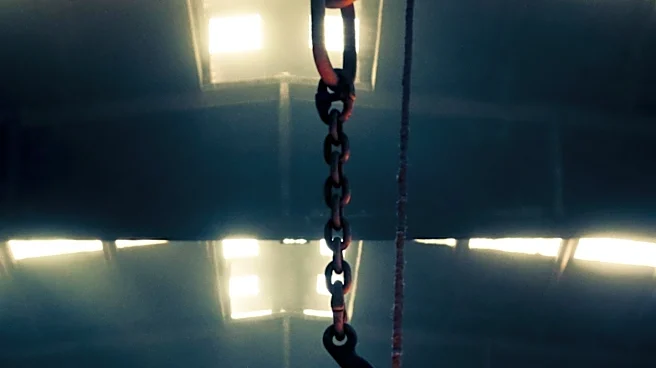
Cleveland-Cliffs' Cleveland Works, an integrated steel mill situated on the Cuyahoga River in Cleveland, Ohio, requires continuous mobile-crane support for its daily operations. The facility, which includes blast furnaces, basic oxygen shops, and continuous casters,
depends heavily on these cranes for critical tasks such as maintenance turnarounds, handling of ladles and molds, and equipment change-outs. The demand for heavy lifting in Cleveland is concentrated in industrial areas like the Cuyahoga River valley, where Cleveland-Cliffs operates. This constant need for crane services underscores the complex and demanding nature of steel production, where precision and safety are paramount. The region's industrial landscape also includes the Port of Cleveland, high-rise construction projects, healthcare expansions, aerospace test work at NASA Glenn, and heavy manufacturing, all contributing to a high demand for certified crane operators and riggers.
Why It's Important?
The reliance on mobile-crane support at Cleveland-Cliffs' Cleveland Works highlights the critical role of specialized equipment and skilled labor in maintaining the operational efficiency and safety of heavy industries. Any disruption in crane availability or the competence of operators could lead to significant downtime, increased costs, and potential safety hazards in a facility dealing with molten metal and complex machinery. This situation also underscores the broader economic importance of Cleveland's industrial sector, which is a hub for steel production, maritime cargo handling, and large-scale construction. The continuous demand for certified crane operators, riggers, and signal persons reflects the stringent safety regulations and technical requirements of these industries, ensuring that operations are compliant with federal OSHA standards and minimize incident exposure.
What's Next?
The ongoing need for mobile-crane support at Cleveland-Cliffs and other industrial sites in Cleveland will continue to drive demand for highly trained and certified personnel. Training programs, such as those offered by 3P Safety Crane & Rigging Training, will remain essential to ensure a steady supply of qualified operators, riggers, and signal persons who can meet the specific challenges of the region, including Lake Erie's weather conditions and the complexities of urban and industrial lifting. Employers will likely continue to invest in both in-house and external training solutions to maintain compliance with federal OSHA regulations and enhance operational safety. The development of new infrastructure projects and the modernization of existing industrial facilities will further solidify the importance of these specialized lifting services in Cleveland's economic landscape.
Beyond the Headlines
The intricate dance of heavy machinery and skilled labor at Cleveland-Cliffs' Cleveland Works is a microcosm of the broader industrial ecosystem. It reveals the often-unseen complexities and interdependencies that underpin major manufacturing processes. The emphasis on certification and safety in crane operations goes beyond mere compliance; it reflects a deep understanding of the potential for catastrophic failure in environments dealing with extreme weights and hazardous materials. This focus on precision and safety also extends to the ethical responsibility of employers to protect their workforce. Furthermore, the regional concentration of heavy lifting demands, from steel mills to port operations and high-rise construction, illustrates how specific geographical and industrial characteristics shape the demand for specialized skills and services, creating a unique labor market for crane and rigging professionals.