





What's Happening?
Harena Rare Earths has secured $4.84 million in funding from the US International Development Finance Corporation (DFC) for its Ampasindava project in Madagascar. This funding will support various stages of the project, including permitting, environmental
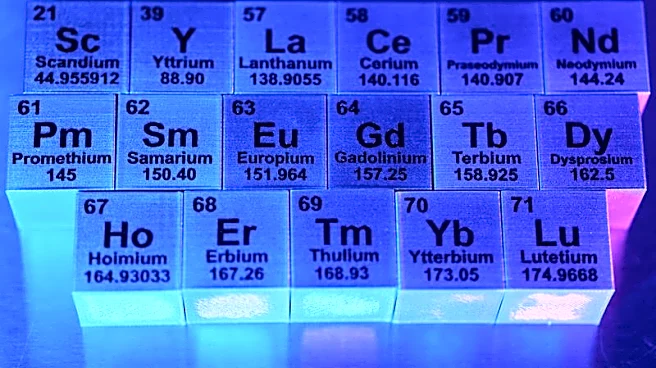
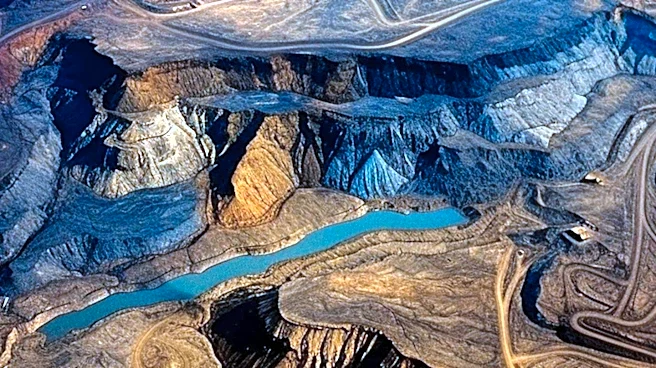
and social studies, and the establishment of a proof-of-concept pilot plant. The Ampasindava project is a significant ionic clay rare earth deposit, with a defined resource of nearly 700 million tonnes containing 606,000 tonnes of total rare earth oxides. The project aims to produce approximately 4,000 tonnes of rare earth oxides annually by mid-2028, including high-value magnet materials such as neodymium, praseodymium, dysprosium, and terbium. This investment marks the first direct financial commitment from the US government to the project, aligning with Washington's strategy to reduce reliance on China for critical minerals.
Why It's Important?
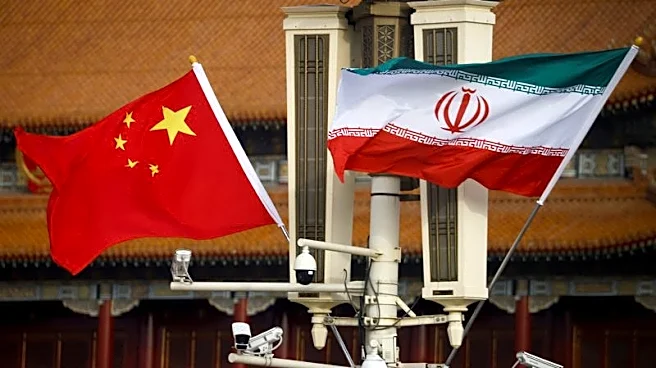
The DFC's investment in the Ampasindava project is a strategic move to diversify the supply chains of critical minerals, which are essential for various high-tech and defense applications. Currently, China dominates the production and processing of many rare earth elements, which poses a risk to the US and its allies' supply security. By supporting projects like Ampasindava, the US aims to establish alternative sources of these crucial materials, thereby enhancing economic and national security. The project also represents a significant opportunity for increased US and allied investment in Madagascar's critical mineral sector, potentially leading to economic growth and development in the region.
What's Next?
Harena Rare Earths is in the process of securing an exploitation permit for the Ampasindava project, with expectations of approval in the coming weeks. The company is also evaluating rare earth processing options in the US and Europe to further integrate the supply chain. The DFC has indicated the possibility of additional support for the project, contingent on due diligence and approvals. As the project progresses towards a feasibility study and construction decision, it could serve as a model for future US-backed initiatives aimed at securing critical mineral resources.