



What's Happening?
Experts are highlighting the role of certain beverages in reducing chronic, low-grade inflammation, emphasizing that while these drinks can be a healthy addition to a diet, they are not a cure for pain or disease. Beverages such as green tea, ginger tea, tart
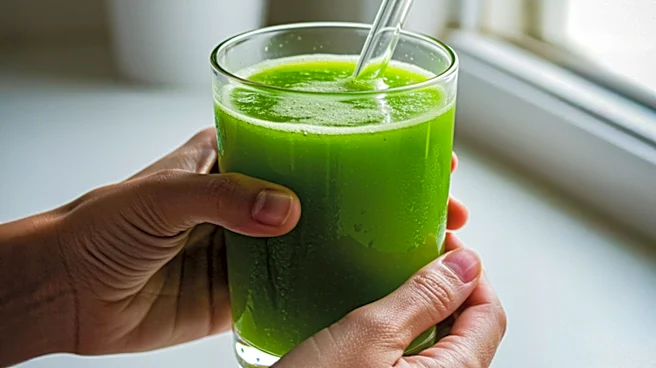
cherry juice, pomegranate juice, green smoothies, and golden milk contain compounds that may offer anti-inflammatory benefits. For instance, green tea is rich in epigallocatechin gallate (EGCG), an antioxidant with demonstrated anti-inflammatory effects in lab studies. Ginger contains gingerols and shogaols, which have been shown to decrease inflammation-causing proteins. Tart cherry juice and pomegranate juice are noted for their anthocyanins and polyphenols, respectively, both possessing antioxidant and anti-inflammatory properties. Green smoothies, depending on their ingredients like leafy greens and fruits, can provide antioxidants, vitamins, minerals, and fiber. Golden milk, made with turmeric, contains curcumin, a compound studied for its anti-inflammatory potential. However, the efficacy of these beverages is maximized when consumed as part of an overall dietary pattern rich in fruits, vegetables, legumes, whole grains, nuts, seeds, and healthy fats, rather than as standalone therapeutic interventions.
Why It's Important?
The emphasis on anti-inflammatory beverages as part of a broader healthy diet is important for public health, particularly in the U.S., where chronic inflammatory conditions are prevalent. By promoting the consumption of these drinks as alternatives to sugary sodas and sweet teas, there's potential to encourage healthier dietary habits. This shift could contribute to a reduction in the intake of added sugars, which are known to increase blood pressure and chronic inflammation. While these beverages are not presented as medical treatments, their inclusion in daily nutrition can support overall well-being and potentially mitigate some risk factors associated with inflammation-related health issues. The guidance from experts like Matas Orentas, DO, and Lavanya Kethamukkala, RDN, helps to set realistic expectations, preventing the misconception that these drinks can replace medical interventions for serious conditions. This balanced perspective is crucial for consumers seeking to improve their health through diet without falling for unsubstantiated claims.
What's Next?
Moving forward, consumers are encouraged to integrate these anti-inflammatory beverages into their daily routines as part of a holistic approach to health. This involves making conscious choices to replace less healthy drink options with those offering potential anti-inflammatory benefits. For example, opting for 100 percent pure tart cherry juice or pomegranate juice without added sugars is a key recommendation to maximize benefits and avoid counteracting effects. Continued research into the specific compounds within these beverages and their long-term effects on inflammation and chronic diseases will likely provide further insights. Healthcare professionals and nutritionists may increasingly incorporate these recommendations into dietary counseling, guiding individuals on how to best utilize these drinks within a balanced and nutrient-rich diet. The focus will remain on the synergistic effects of a comprehensive dietary pattern rather than isolated food or drink items.
Beyond the Headlines
Beyond the immediate health benefits, the discussion around anti-inflammatory beverages highlights a broader cultural shift towards preventative health and wellness through diet. This trend reflects a growing consumer interest in natural remedies and functional foods that can contribute to overall health without relying solely on pharmaceutical interventions. The emphasis on whole foods and natural ingredients in these beverages also aligns with sustainable and mindful eating practices. However, it also underscores the challenge of distinguishing between genuine health benefits and marketing hype, particularly with products like green smoothies and golden milk, where the actual anti-inflammatory effects depend heavily on specific ingredients and preparation. This necessitates a critical approach from consumers and clear guidance from health professionals to ensure that dietary choices are informed by scientific evidence rather than anecdotal claims, fostering a more educated and empowered public regarding their nutritional decisions.