






What's Happening?
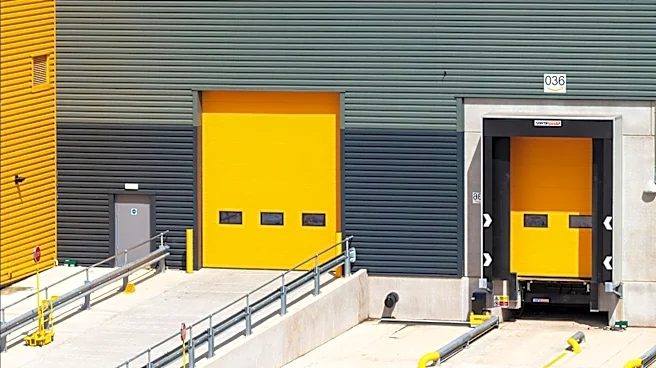
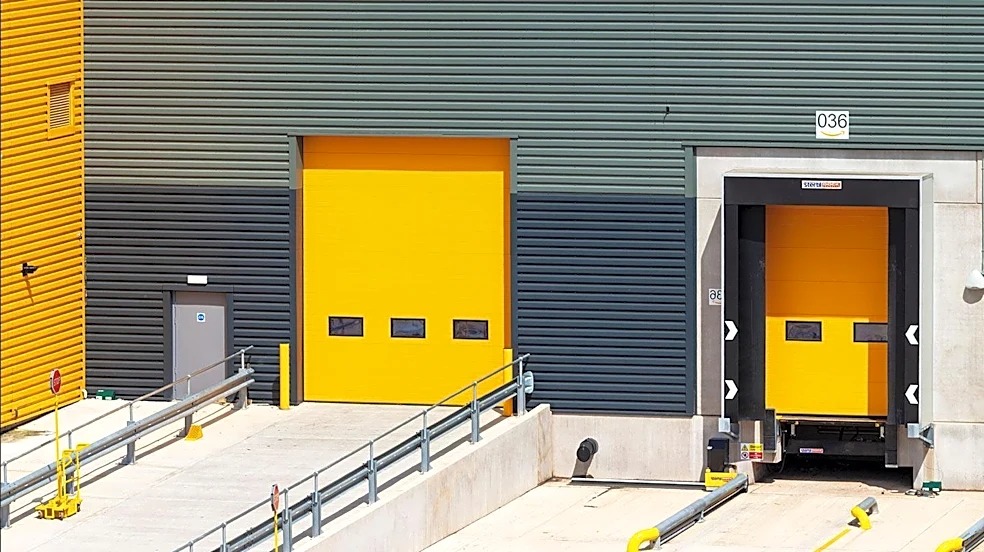
Amazon is actively recruiting Delivery Station Customer Service Associates (DSL) to work at its last-mile delivery warehouses. These associates will play a crucial role in enhancing the customer experience by providing real-time, hands-on support to ensure
timely package delivery. The position involves direct communication with customers in-person, via phone, and email, focusing on empathizing with and prioritizing customer needs, resolving issues, and setting appropriate expectations. Associates will also be responsible for communicating with warehouse staff and delivery partners, rescheduling deliveries, and proactively resolving delivery issues. The role requires working a flexible full-time schedule, including physical tasks such as carrying, lifting, pushing, and pulling up to 49 pounds, and standing and walking for shifts up to 12 hours in varying environmental conditions.
Why It's Important?
This recruitment drive highlights Amazon's continuous investment in strengthening its last-mile delivery infrastructure, which is critical for customer satisfaction and competitive advantage in the e-commerce sector. By placing customer service associates directly within delivery stations, Amazon aims to provide immediate and effective solutions to delivery-related issues, thereby improving overall customer experience and reducing customer effort. This strategy is vital for maintaining Amazon's reputation for reliable and efficient delivery, especially as e-commerce volumes continue to grow. The emphasis on in-person and real-time support underscores a commitment to proactive problem-solving, which can significantly impact customer loyalty and repeat business. For the U.S. job market, this creates opportunities in logistics and customer service, requiring individuals with strong communication and problem-solving skills.
What's Next?
Amazon will likely continue to expand its network of Delivery Station Customer Service Associates as its logistics operations grow and evolve. The company's focus on improving the customer experience through in-station support suggests a trend towards more localized and responsive customer service models within the logistics industry. Potential applicants can expect ongoing demand for roles that combine customer interaction with operational support in a fast-paced warehouse environment. The development of logistical and customer expertise among these associates could lead to career advancement opportunities within Amazon's extensive supply chain network. This initiative also signals a potential shift in how customer service is integrated into the delivery process, moving beyond traditional call centers to more embedded, on-site support.
Beyond the Headlines
The integration of customer service directly into last-mile delivery operations reflects a deeper understanding of the critical touchpoints in the customer journey. This approach could set a new standard for customer service in logistics, pushing other companies to adopt similar models to remain competitive. Ethically, the demanding physical requirements and flexible scheduling for these roles raise questions about worker well-being and work-life balance, which are ongoing concerns within the logistics industry. Culturally, this move reinforces Amazon's customer-centric mission, emphasizing that every aspect of its operations, including the final delivery, is geared towards customer satisfaction. The long-term implication could be a redefinition of the customer service role, blending traditional support functions with hands-on operational problem-solving in a dynamic environment.