





What's Happening?
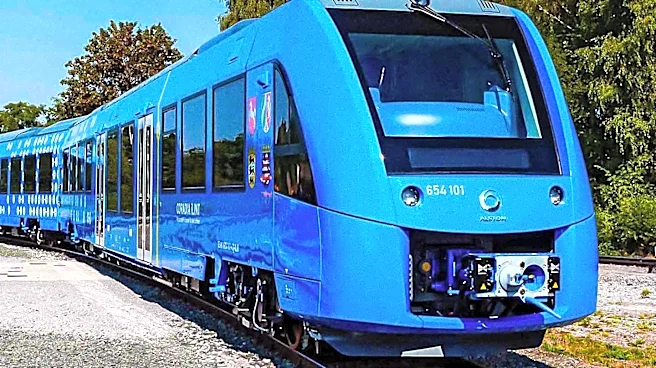
Alstom, a global leader in rail transport, is significantly contributing to the modernization of North American passenger rail. The company is currently delivering the NexGen Acela trains to Amtrak, which are operating on the Northeast Corridor between
Washington, D.C., and Boston. These new trains represent the latest generation of high-speed technology, built in the U.S., offering improved ride quality and amenities. In addition to the Acela program, Alstom is supporting the Metropolitan Transportation Authority’s (MTA) commuter rail modernization with new M-9A vehicles and next-gen R211 subway fleet propulsion equipment. The company is also delivering NJ Transit’s new 374-car Multilevel III fleet, preparing to build 200 modern multilevel commuter rail cars for Metra, and manufacturing 60 new passenger coaches for the Connecticut Department of Transportation (CTDOT). These projects highlight Alstom's commitment to building trains and technologies that will serve the region for decades.
Why It's Important?
Alstom's investments and projects are crucial for the U.S. rail industry, fostering local job creation and expertise. The NexGen Acela program, for instance, achieved a record 95 percent local content mark, meaning a substantial portion of the manufacturing and supply chain is based within the U.S. This not only supports American manufacturing but also benefits the lifecycle cost of these projects. By investing in facilities like Hornell and Plattsburgh, NY, and West Mifflin, Pennsylvania, Alstom is helping to cultivate the next generation of talent in the rail industry through partnerships with universities and labor organizations. The modernization efforts across various transit agencies, including Amtrak, MTA, NJ Transit, Metra, and CTDOT, aim to enhance passenger experience, improve efficiency, and ensure the long-term sustainability of rail transportation in the country. This commitment to domestic production and technological advancement positions the U.S. for a more robust and modern rail infrastructure.
What's Next?
Alstom's immediate focus for 2027 is on the execution of its extensive project backlog. This includes completing older projects, such as getting NJ Transit’s Multilevel III trains into revenue service, and initiating new projects with a strong foundation to ensure quality, on-time, and on-budget delivery. The company plans to improve its project management, engineering, production, and manufacturing processes to meet these goals. Alstom is also foregrounding problem-solving and its Single Week Improvement Program to empower its teams and provide them with the necessary resources. These efforts are expected to lead to continued advancements in U.S. rail infrastructure, potentially resulting in more efficient and comfortable travel options for commuters and long-distance passengers across various states.
Beyond the Headlines
The emphasis on local content and manufacturing in Alstom's projects has broader implications for U.S. industrial policy and economic development. By achieving a 95 percent local content mark, the company demonstrates a model for how large-scale infrastructure projects can stimulate domestic industries and create high-skilled jobs. This approach not only reduces reliance on foreign supply chains but also builds a resilient manufacturing base within the U.S. The long-standing tradition of rail manufacturing, exemplified by Alstom's factory in Hornell, New York, which has been operating for over 170 years, underscores the historical significance and potential future growth of this sector. This commitment to local production and talent development could serve as a blueprint for other industries seeking to strengthen their domestic footprint and contribute to national economic stability.