







What's Happening?
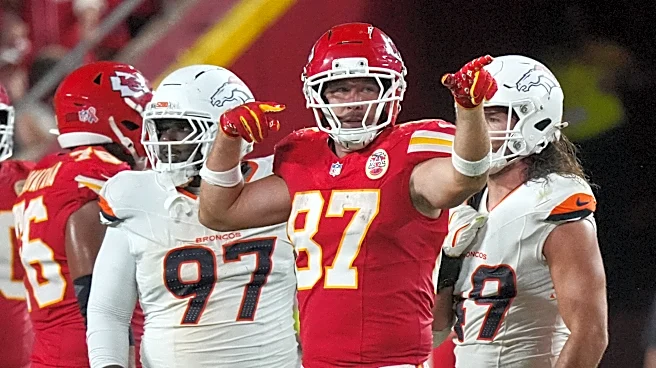
Kansas City Chiefs tight end Travis Kelce has been identified as a victim in a multi-million dollar Ponzi scheme. The perpetrator, Siddharth Jawahar, who operated Swiftarc Capital LLC, was sentenced to 11 years in prison and ordered to pay $31.35 million in restitution
to investors, including Kelce. Jawahar allegedly invested client funds in a tobacco company, Philip Morris Pakistan (PMP), and continued to misrepresent it as profitable even after it began losing money. He is also accused of promising transactions that never materialized. Reports indicate Jawahar received $35 million from investors but only invested approximately $10 million. The exact amount Kelce invested remains undisclosed. Other athletes, including Miami Heat guard Tim Hardaway Jr., Detroit Pistons center Mason Plumlee, and Pistons guard Gary Harris, were also reportedly investors in Swiftarc Capital LLC.
Why It's Important?
This case highlights the vulnerability of high-net-worth individuals, including professional athletes, to sophisticated financial scams like Ponzi schemes. The involvement of a prominent NFL player like Travis Kelce brings significant public attention to the issue of financial fraud, potentially serving as a cautionary tale for other athletes and investors. It underscores the critical need for thorough due diligence and professional financial advisory services, especially for individuals with substantial earnings who may be targeted by fraudulent schemes. The ordered restitution of over $31 million emphasizes the severe financial damage such schemes inflict on victims, and the lengthy prison sentence for Jawahar reflects the legal system's response to white-collar crime. This incident also raises questions about the financial literacy and protection mechanisms available to professional athletes.
What's Next?
Siddharth Jawahar has been sentenced to 11 years in prison and ordered to pay $31.35 million in restitution. The process of recovering funds for victims, including Travis Kelce, will likely involve complex legal procedures to seize and distribute Jawahar's assets. It remains to be seen how much of the restitution will ultimately be recovered by the victims. This case may prompt increased scrutiny from sports leagues and player associations regarding financial education and protection programs for athletes. There could also be a heightened awareness among financial advisors specializing in athlete wealth management to implement more robust safeguards against fraudulent investment opportunities. The ongoing legal proceedings will focus on the enforcement of the restitution order and any potential appeals from Jawahar.
Beyond the Headlines
The involvement of a high-profile athlete in a Ponzi scheme extends beyond individual financial loss, touching upon broader issues of trust, financial literacy, and the allure of high-return investments. The case illustrates how fraudsters exploit credibility and personal connections to ensnare victims, often leveraging the perceived exclusivity of an investment opportunity. For athletes, whose careers are often lucrative but relatively short-lived, such financial setbacks can have long-term consequences on their post-career financial stability. This incident also subtly highlights the psychological manipulation involved in Ponzi schemes, where victims are often convinced of the legitimacy of the investment until it's too late. The public nature of Kelce's involvement could contribute to a wider conversation about investor protection and the ethical responsibilities of financial professionals.