



What's Happening?
The Japanese aesthetic concept of Wabi-Sabi is increasingly influencing various design and lifestyle sectors in the U.S. Wabi-Sabi emphasizes the beauty of imperfection, impermanence, and natural aging, moving beyond traditional notions of perfection.
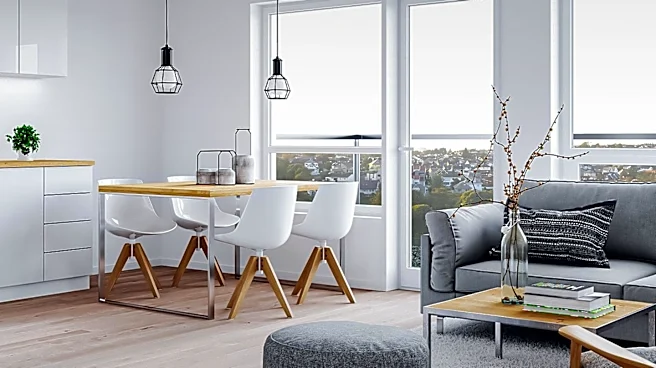
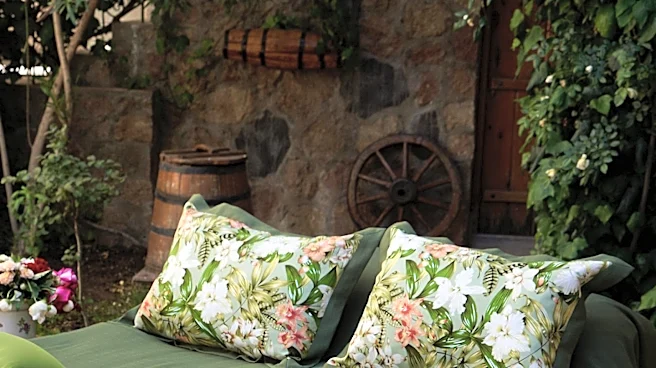
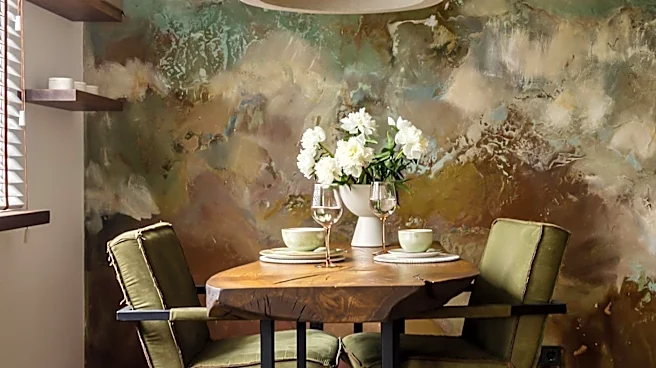
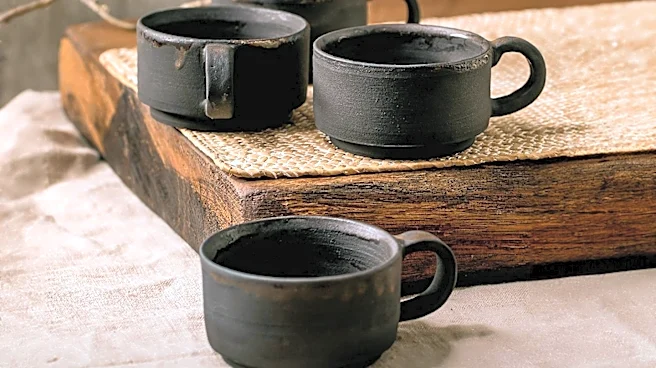
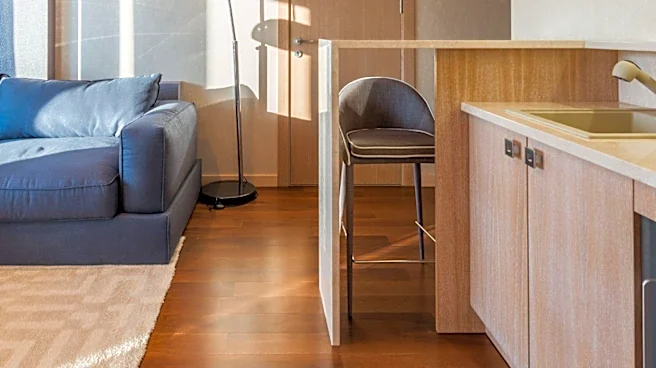
This philosophy is being integrated into home decor, fashion, and even architectural visualization. For instance, lighting companies are offering Wabi-Sabi style fixtures that feature natural materials, subtle imperfections, and muted colors, suitable for modern, minimalist, and rustic interiors. In fashion, designers like Satoshi Kuwata are incorporating Wabi-Sabi principles by embracing natural creases and the unique way garments drape on different body types, celebrating individuality and the story behind each piece. The aesthetic is also a key component of 'Japandi' design, which blends Wabi-Sabi with Scandinavian minimalism, focusing on purposefulness, unobstructed design, and natural materials in spaces like backyard water features and home interiors. This growing trend reflects a broader appreciation for authenticity and character over pristine, mass-produced uniformity.
Why It's Important?
The rising popularity of Wabi-Sabi in the U.S. signifies a cultural shift towards valuing authenticity, sustainability, and a more mindful approach to consumption and aesthetics. For industries like home furnishings, fashion, and interior design, this trend opens new market opportunities for products that embody natural textures, handcrafted qualities, and a sense of history. Businesses that can adapt to this demand by offering items that celebrate imperfection and natural wear will likely gain a competitive edge. Consumers, in turn, benefit from a design philosophy that encourages appreciation for the unique and the enduring, potentially leading to less disposable consumption and a greater connection to their surroundings. This movement also challenges conventional beauty standards, promoting a more inclusive view of what is considered aesthetically pleasing. The emphasis on natural materials and longevity aligns with growing environmental consciousness, making Wabi-Sabi a relevant and impactful trend for both economic and societal reasons.
What's Next?
As the Wabi-Sabi aesthetic continues to gain momentum, U.S. industries can expect to see further integration of its principles across various product lines and services. This may include an increase in demand for artisanal goods, vintage items, and products made from raw, unprocessed materials. Designers and manufacturers will likely explore innovative ways to incorporate natural wear, subtle asymmetry, and earthy color palettes into their offerings. Educational initiatives and workshops focusing on Wabi-Sabi principles could also emerge, catering to both professionals and consumers interested in adopting this lifestyle. Furthermore, the influence of Wabi-Sabi might extend beyond tangible products to experiences, with a greater emphasis on creating serene, contemplative spaces and fostering a deeper connection with nature. The hospitality sector, for example, may see more establishments adopting Wabi-Sabi inspired interiors to offer guests a tranquil and authentic experience.
Beyond the Headlines
The embrace of Wabi-Sabi in the U.S. goes beyond mere aesthetic preference; it reflects a deeper societal yearning for meaning and connection in an increasingly fast-paced and digital world. In a culture often driven by the pursuit of perfection and newness, Wabi-Sabi offers a counter-narrative, encouraging acceptance of transience and the beauty found in the passage of time. This philosophical underpinning can foster a more resilient and appreciative mindset, shifting focus from external validation to internal contentment. Ethically, it promotes sustainable practices by valuing existing objects and natural processes, reducing the pressure for constant replacement. Culturally, it introduces a nuanced Japanese perspective that enriches the diverse tapestry of American design and thought, encouraging a more holistic understanding of beauty and existence. This subtle yet profound shift could lead to a more grounded and authentic approach to living, impacting everything from personal well-being to environmental stewardship.