





What's Happening?
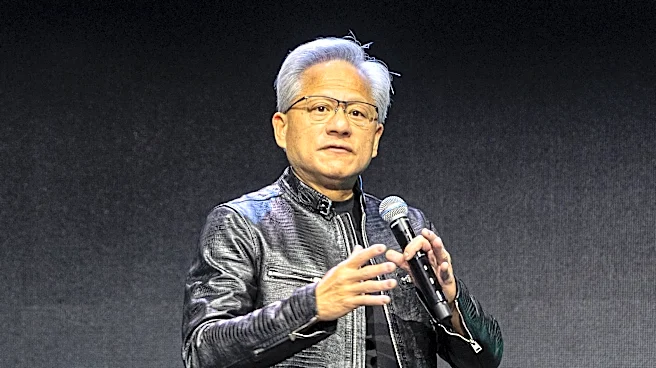
Nvidia, a leading GPU manufacturer, is currently navigating several significant challenges despite its strong financial performance and dominant market share in AI GPUs. The company is facing scrutiny due to the alleged affair of CEO Jensen Huang with
a suspected Chinese spy, which could lead to regulatory repercussions, export restrictions, and potential leadership changes. Additionally, reports suggest Nvidia may have engaged in 'circular financing,' injecting capital into AI startups to manage excess GPU supply. Investors are also concerned about potential margin compression as major cloud providers and other GPU producers increase their own chip production. Despite these issues, Nvidia's stock is trading at its lowest valuation in over a decade, at 16 times trailing earnings, even as the company reported $43.8 billion in free cash flow last quarter and anticipates nearly 100% sales growth this year, followed by 71% growth next year.
Why It's Important?
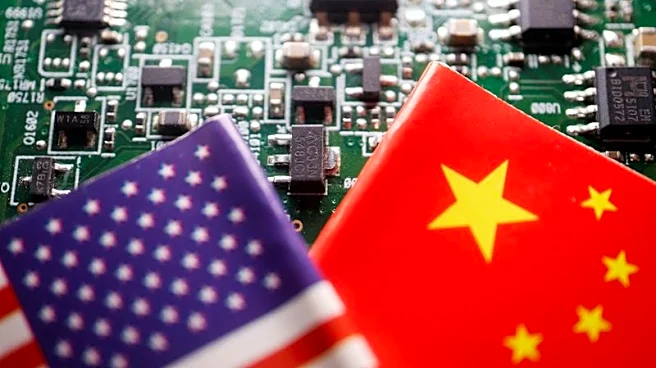
These developments are critical for the U.S. technology sector and financial markets. The alleged scandal involving CEO Jensen Huang could trigger significant regulatory actions and export controls, potentially impacting Nvidia's ability to operate globally, especially in key markets like China. Such restrictions could disrupt the supply chain for advanced AI chips, affecting numerous U.S. companies reliant on Nvidia's technology. The reported 'circular financing' practices raise questions about market transparency and fair competition within the AI startup ecosystem, potentially drawing attention from financial regulators. Furthermore, concerns about margin compression highlight the increasing competition in the GPU market, which could lead to price wars and reduced profitability for chip manufacturers. While Nvidia's current valuation appears attractive, these underlying issues could introduce volatility and uncertainty for investors, influencing broader market sentiment towards the AI industry.
What's Next?
The immediate future for Nvidia will likely involve ongoing investigations into the alleged CEO scandal and the reported circular financing. Regulatory bodies, potentially including the SEC and other government agencies, may initiate formal inquiries, which could result in fines, sanctions, or changes in corporate governance. The company will need to address investor concerns regarding margin compression, possibly by diversifying its product offerings or optimizing production costs. The outcome of these challenges will significantly influence Nvidia's stock performance and its strategic direction in the coming years. The broader AI industry will also be watching closely, as any regulatory actions against Nvidia could set precedents for other technology companies operating in sensitive geopolitical environments.
Beyond the Headlines
The situation at Nvidia extends beyond immediate financial and regulatory concerns, touching upon broader themes of corporate ethics, national security, and the future of global technology leadership. The alleged involvement of a Chinese spy in a high-profile U.S. tech company raises critical questions about industrial espionage and the protection of intellectual property in an increasingly competitive global landscape. This incident could prompt a re-evaluation of security protocols and background checks for executives in sensitive industries. Moreover, the reported 'circular financing' practices highlight the complex and sometimes opaque financial mechanisms used to sustain growth in rapidly expanding sectors like AI, potentially leading to calls for greater transparency and oversight in venture capital and startup funding. The long-term implications could include a shift towards more stringent government oversight of technology exports and international business dealings, particularly concerning advanced computing and AI capabilities.