
What's Happening?
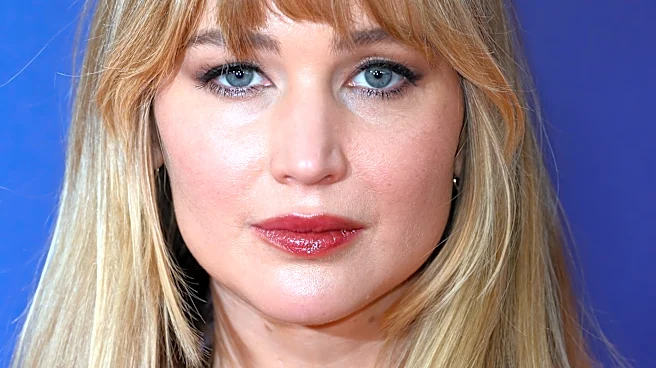
Actress Jennifer Lawrence recently appeared on Alex Cooper’s 'Call Her Daddy' podcast, where she discussed her well-known pixie haircut from 2013. Lawrence revealed that she was embarrassed by photos of
the hairstyle when she began dating her now-husband, art gallery director Cooke Maroney, and even asked him not to Google her from that period. She explained that the dramatic haircut was a direct result of extensive hair damage caused by repeatedly dyeing her hair for her role as Katniss Everdeen in 'The Hunger Games' movies. Lawrence initially wanted to wear a wig to avoid further damage but was denied by production. As a form of 'tiny little protest' against the constant hair coloring, she opted for the short cut. This decision ultimately led to production allowing her to wear a wig for subsequent filming, making the pixie cut a significant moment in her beauty history and a solution to her hair's deteriorated condition.
Why It's Important?
This revelation offers insight into the pressures and physical demands placed on actors, particularly concerning their appearance for major film roles. Lawrence's experience highlights the potential for long-term damage from repeated styling and coloring required by film productions, which can impact an actor's personal life and self-perception. Her story also sheds light on the behind-the-scenes negotiations and compromises that occur between actors and production teams regarding creative and personal choices. For fans, it provides a deeper understanding of the context behind a memorable celebrity hairstyle, moving beyond a simple fashion statement to reveal a struggle with professional demands and personal well-being. The discussion also underscores the pervasive nature of public image in the digital age, where past appearances remain readily accessible and can influence personal relationships.
What's Next?
While this specific revelation is retrospective, it contributes to ongoing conversations within the entertainment industry about actor welfare and sustainable practices in film production. It may encourage more open dialogue about the physical toll of roles and potentially influence future production decisions regarding hair and makeup requirements, such as the increased use of wigs or less damaging alternatives. For Lawrence, this discussion further solidifies her public persona as candid and relatable, potentially resonating with audiences who appreciate her honesty about personal insecurities and professional challenges. The interview's popularity on a major podcast like 'Call Her Daddy' also reinforces the platform's role in providing a space for celebrities to share personal narratives beyond traditional media outlets.
Beyond the Headlines
Lawrence's account touches upon broader themes of body autonomy and the objectification of actors in Hollywood. Her 'protest' haircut can be seen as a subtle act of reclaiming control over her body and image in an industry that often dictates such aspects. It also subtly critiques the industry's prioritization of aesthetic consistency over an actor's physical health, especially when practical solutions like wigs are initially dismissed. This narrative contributes to the evolving discourse around labor conditions in entertainment, where the physical and mental well-being of performers is increasingly being scrutinized. Furthermore, it highlights the enduring impact of public scrutiny on celebrities, where even a haircut from years past can become a source of personal anxiety when entering new relationships.