



What's Happening?
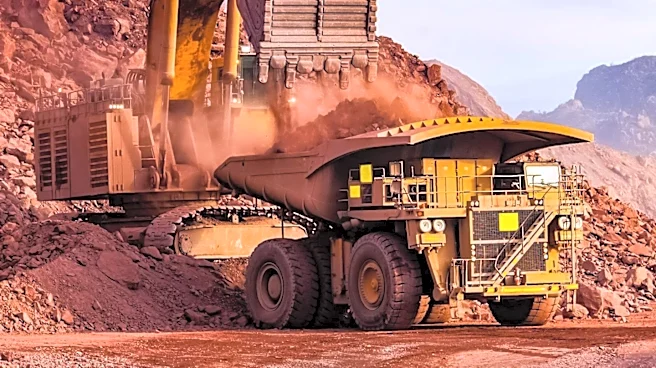
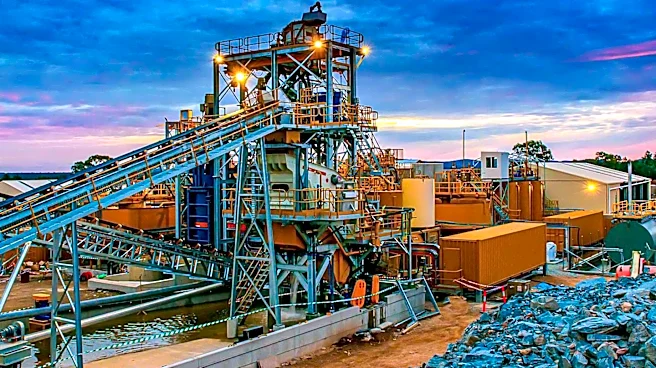
Cameroon is actively working to attract foreign investment to develop its largely untapped critical mineral resources. The country possesses significant geological potential, including deposits of iron ore, bauxite, gold, diamonds, rutile, manganese,
limestone, nickel, and cobalt. A key step in this effort was the comprehensive overhaul of its mining regulations through Law No. 2023/014 of December 19, 2023, which established a new Mining Code. The government aims to transition from a neglected mining destination to a notable player in the global race for critical minerals by aligning its mining code and permitting practices with international norms, reducing uncertainty, and ensuring transparency. Minister of Mining, Industry and Technological Development Fuh Calistus Gentry is actively promoting new mining investment and growth, while also combating illegal gold mining to enhance state oversight and tax collection.
Why It's Important?
The global demand for critical minerals, essential for technologies like electric vehicles and renewable energy, makes Cameroon's efforts particularly important. For U.S. industries and the broader global economy, diversifying the supply chain for these minerals away from concentrated sources is a strategic priority. Cameroon's success in attracting investment could provide alternative sources, reducing geopolitical risks and supply shocks. However, investor confidence is crucial, and challenges remain, such as ensuring transparent decision-making, predictable timelines for permits, and addressing potential fiduciary issues arising from the dual roles of state-owned entities like SONAMINES. If Cameroon can successfully build trust and provide a stable, transparent regulatory environment, it could become a significant contributor to the global critical minerals market, benefiting U.S. companies seeking secure and diversified supply. Conversely, failure to address these concerns could deter investment, leaving its mineral wealth underdeveloped and perpetuating reliance on existing, potentially volatile, supply chains.
What's Next?
Cameroon's immediate focus will be on implementing its new Mining Code effectively and demonstrating a commitment to transparency and predictability in its permitting processes. This includes clarifying the approval process for mining operating permits, which currently require presidential approval. The government will also need to continue its efforts to combat illegal mining to ensure a level playing field for legitimate operators. Further research and airborne surveys are necessary to fully map the country's mineral potential, particularly in the North, Northwest, and Southwest regions. International investors will be closely watching for evidence of consistent application of the new regulations and how potential conflicts of interest, such as those involving SONAMINES, are managed. Successful engagement with foreign companies will depend on Cameroon's ability to prove that legitimate operators can secure and retain mineral rights through a transparent and predictable system, ultimately leading to the development of new mining ventures.
Beyond the Headlines
Cameroon's push to develop its critical mineral sector highlights a broader global trend where developing nations are seeking to leverage their natural resources for economic growth amidst increasing international demand. The ethical dimension involves ensuring that foreign investment benefits local communities and adheres to high environmental and social standards, preventing exploitation and environmental degradation. The legal framework, while updated, still needs to demonstrate its effectiveness in practice, particularly regarding transparency and the resolution of potential conflicts of interest. Culturally, successful development could lead to job creation and improved infrastructure, but also carries the risk of social disruption if not managed carefully. The long-term shift could see more African nations becoming key players in the critical minerals supply chain, potentially altering global economic power balances. However, the challenge lies in balancing national interests with the need to attract and retain international capital, which often demands adherence to global best practices in governance and environmental stewardship.