




What's Happening?
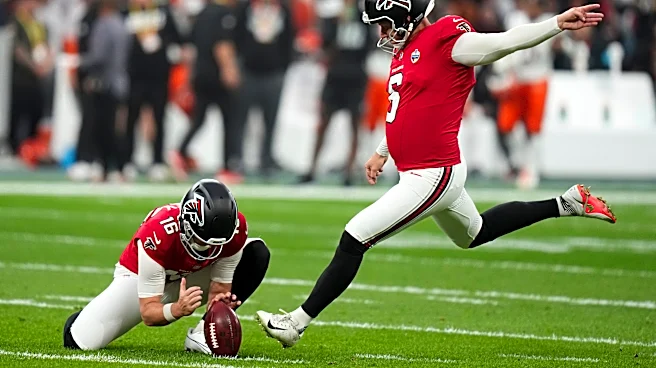
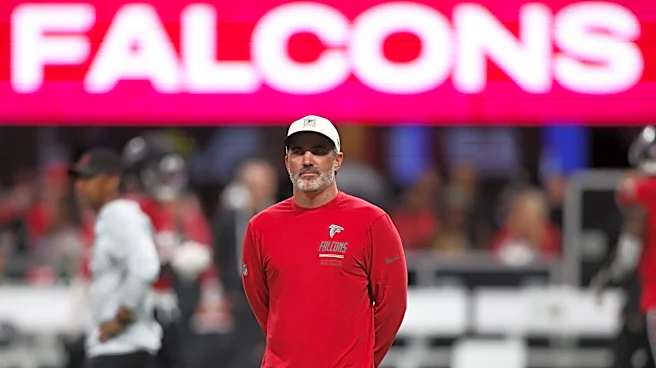
The Atlanta Falcons were active at the recent NFL trade deadline, making several significant roster changes. The team traded safety Jessie Bates III and center Ryan Neuzil, and also moved on from veteran kicker Nick Folk. These moves indicate a strategic
shift towards selling assets, particularly players on expiring contracts, which the team was unlikely to retain. Despite these transactions, head coach Kevin Stefanski has maintained that the Falcons are not giving up on the current season and still aim for a playoff berth, leveraging the competitive but open nature of the NFC South division.
Why It's Important?
The Falcons' actions at the trade deadline signal a dual strategy: shedding players who might not be part of their long-term plans while simultaneously attempting to remain competitive in a weak division. Trading key starters like Jessie Bates III, who was a significant acquisition, suggests a focus on future cap flexibility and potentially acquiring draft capital. For the players involved, these moves mean a change of scenery and new opportunities. For the team, it's a calculated risk, as it could impact immediate performance but potentially strengthen the roster in the long run. This approach highlights the complex decision-making process NFL teams face when balancing current aspirations with future sustainability.
What's Next?
The departure of Jessie Bates III, Ryan Neuzil, and Nick Folk will necessitate adjustments to the Falcons' lineup and special teams. The team will need to integrate new or existing players into these roles, which could affect team chemistry and on-field performance in the short term. The focus will now shift to how the remaining roster performs, particularly in the crucial upcoming divisional games. The success of these moves will be evaluated based on the team's ability to remain competitive this season and the long-term benefits derived from the trades, such as draft picks or salary cap relief for future acquisitions.
Beyond the Headlines
The Falcons' trade deadline activity, particularly the decision to trade key players while still publicly aiming for the playoffs, reflects a broader trend in the NFL where teams attempt to 'retool' rather than 'rebuild.' This strategy involves making calculated personnel changes to improve future prospects without completely abandoning the current season. It also underscores the financial realities of the NFL, where managing expiring contracts and salary cap space is crucial. The impact of these moves extends beyond the field, influencing team morale, fan perception, and the overall organizational direction as the Falcons navigate a pivotal period in their franchise history.