



What's Happening?
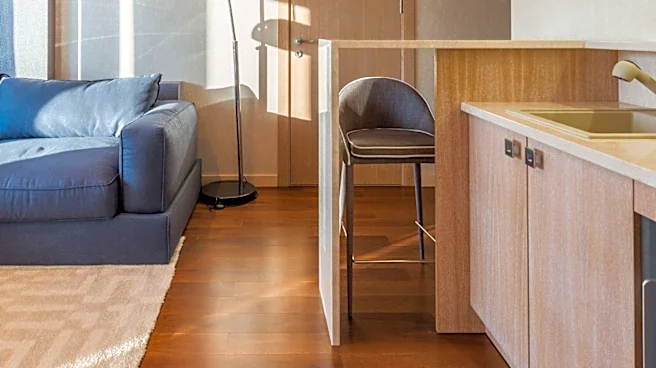
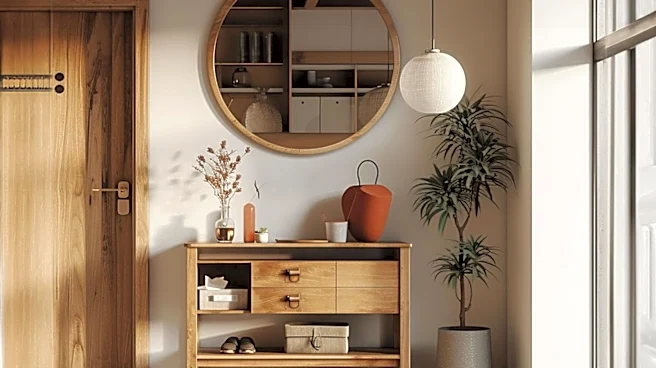
Japandi style, a growing trend in interior design, is characterized by its fusion of Japanese minimalism and Scandinavian functionality. This aesthetic emphasizes simplicity, natural materials, and a harmonious living environment. Key elements of Japandi design include
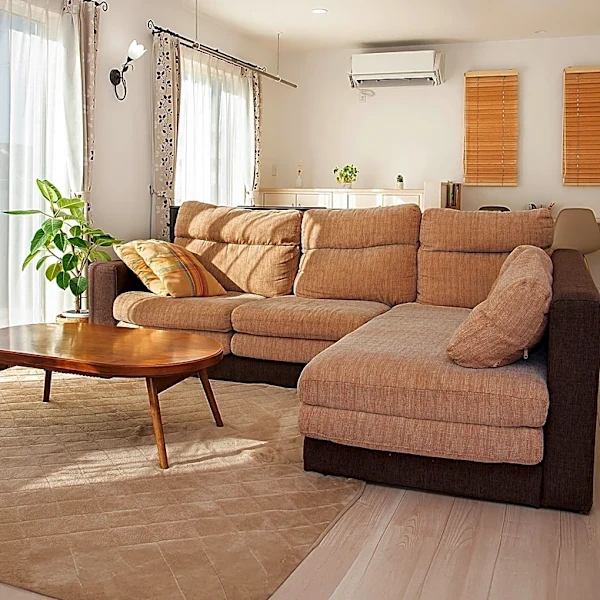
clean lines, a muted color palette, and the prominent use of natural materials such as wood and bamboo. The style prioritizes both beauty and practicality, making it suitable for furniture refinishing and home makeovers. Individuals can incorporate Japandi elements by refinishing furniture with natural stains or paints, opting for minimalist designs, and blending Japanese and Scandinavian influences. This approach is also seen as a sustainable practice, encouraging the repurposing and renewal of existing furniture pieces. The style is versatile and can be applied to various rooms, from bedrooms to living rooms, creating calm and uncluttered spaces.
Why It's Important?
The rise of Japandi style reflects a broader shift in consumer preferences towards sustainable living and mindful consumption within the U.S. interior design market. By promoting furniture refinishing and upcycling, it offers an eco-friendly alternative to constant new purchases, potentially impacting the furniture manufacturing and retail sectors. This trend also caters to a growing desire for serene and functional home environments, which can influence real estate staging and home renovation projects. For consumers, Japandi provides an accessible way to achieve a high-end, curated look without extensive costs, especially through DIY furniture makeovers. The emphasis on natural materials could also boost demand for sustainably sourced wood and other eco-conscious building and decor elements, influencing supply chains and product development in related industries.
What's Next?
The continued growth of Japandi style is likely to influence product development in the home furnishings and decor industries, with manufacturers potentially offering more minimalist designs, natural material options, and muted color palettes. We may see an increase in workshops and online tutorials focused on Japandi-inspired furniture refinishing and DIY projects, catering to the style's emphasis on repurposing. Interior designers and home staging professionals are also expected to further integrate Japandi principles into their offerings, particularly for clients seeking calm, functional, and aesthetically pleasing spaces. Additionally, the trend could lead to a greater demand for sustainable and ethically sourced materials in home decor, pushing suppliers to meet these evolving consumer values. The style's adaptability suggests it will continue to be a popular choice for various living spaces.
Beyond the Headlines
Beyond its aesthetic appeal, Japandi style embodies a deeper cultural synthesis, blending the Japanese concept of 'wabi-sabi' (finding beauty in imperfection) with Scandinavian 'hygge' (coziness and well-being). This philosophical underpinning promotes a lifestyle of intentionality, simplicity, and appreciation for natural elements, which can have psychological benefits by fostering a sense of calm and reducing visual clutter in daily life. Legally, the emphasis on natural materials and sustainable practices could lead to increased scrutiny or demand for certifications in the timber and furniture industries regarding sourcing and environmental impact. Culturally, it represents a globalized design language that transcends geographical boundaries, offering a universal appeal for those seeking balance and tranquility in their personal spaces, potentially influencing broader trends in architecture and urban planning towards more minimalist and nature-integrated designs.