





What's Happening?
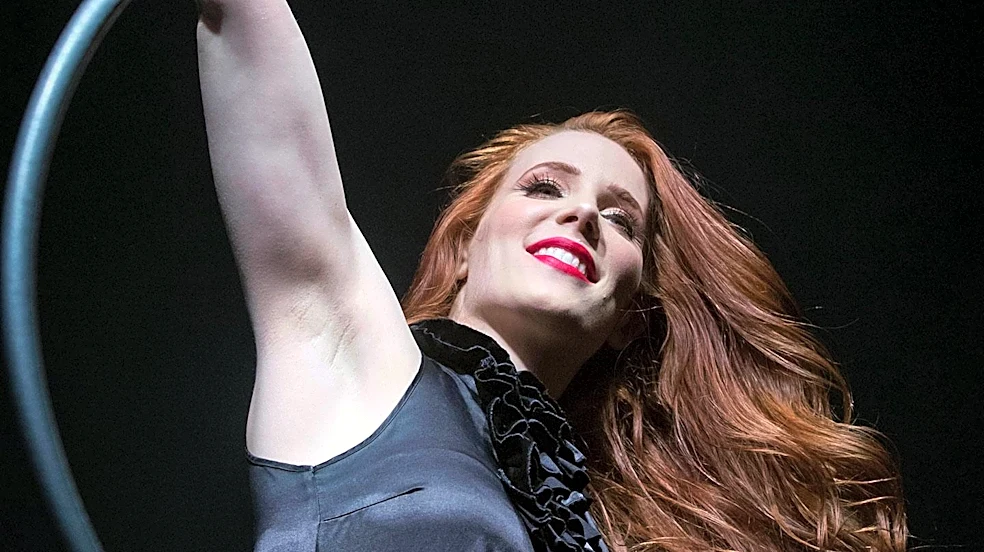
Florence Welch, the lead singer of the English indie rock band Florence + The Machine, continues to maintain privacy regarding her romantic relationships despite ongoing public and media speculation. Rumors about her dating life frequently surface in tabloids
and fan forums, often fueled by paparazzi images, cryptic social media posts, and interpretations of her emotionally intense song lyrics. Welch has consistently chosen to prioritize her creative expression and mental health advocacy over discussing her personal relationships. She has rarely provided detailed information about her dating life, instead emphasizing the need for solitude to process her feelings, which she then translates into her music. This deliberate separation between her personal experiences and artistic output allows her to avoid confirming or denying specific relationships, redirecting focus to her work. The public's fascination is often amplified by the emotional depth of her songs, which explore themes of struggle, redemption, and vulnerability, leading audiences to weave any hint of romance into the narrative of her artistry.
Why It's Important?
The persistent public scrutiny of Florence Welch's personal life highlights broader issues within celebrity culture and media consumption. It underscores how female artists often face different standards than their male counterparts, with an expectation to be both accessible and enigmatic, private yet constantly visible. This dynamic can place undue pressure on artists, reducing their multifaceted identities to simplified narratives centered on relationship status rather than their artistic contributions. The cycle of speculation, fueled by limited visual clues and unverified gossip, demonstrates how information gaps are often filled by conjecture in the celebrity news ecosystem. This trend can overshadow the craftsmanship and thematic depth of an artist's work, shifting focus from their music to their private life. For the music industry, it reflects a challenge in balancing public interest with an artist's right to privacy and mental well-being, as constant speculation can be intrusive and distracting from their creative process.
What's Next?
Given Florence Welch's established pattern of maintaining privacy, it is likely that speculation about her relationships will continue without direct confirmation or denial from her. The cycle of rumors, fueled by media interpretation of public appearances or social media activity, is expected to persist. Future public appearances, collaborations, or new music releases may trigger renewed interest in her personal life, as fans and media attempt to find clues within her artistic output. However, Welch is expected to continue her strategy of redirecting attention to her music and advocacy work, reinforcing the boundaries she has set. The ongoing challenge for media outlets will be to report responsibly, prioritizing verifiable evidence over sensationalism, while for audiences, the task remains to appreciate her music independently of personal drama. This dynamic suggests a continued tension between public curiosity and an artist's right to personal discretion.
Beyond the Headlines
The enduring fascination with Florence Welch's relationship status delves into deeper cultural and ethical implications regarding celebrity privacy and the consumption of personal narratives. It reflects a societal tendency to conflate an artist's emotional lyrics with direct autobiographical accounts, blurring the lines between art and reality. This projection by listeners, while a testament to the power of her music, can inadvertently fuel intrusive speculation. Ethically, it raises questions about the media's responsibility in reporting on private lives, particularly when information is unconfirmed and potentially harmful to an individual's well-being. Culturally, it highlights how female artists are often subjected to a different level of scrutiny regarding their romantic lives, which can detract from their professional achievements and artistic merit. This ongoing narrative underscores a broader societal appetite for intimate details of celebrity life, often at the expense of respecting personal boundaries and appreciating the artist's work on its own terms.