




What's Happening?
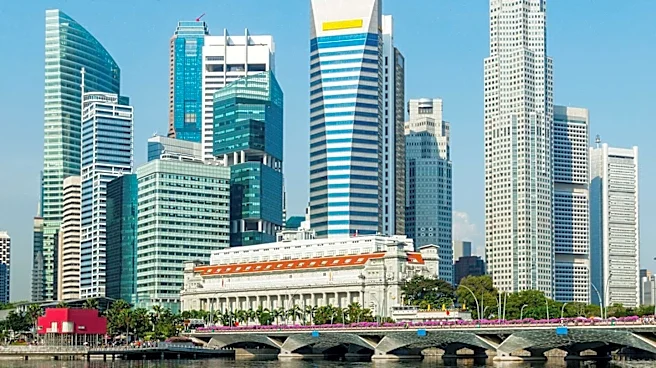
Mistral AI, a French artificial intelligence company, announced last week its establishment of an Asia Pacific headquarters in Singapore. The company plans to significantly expand its regional workforce to over 200 employees by 2027. This new office will
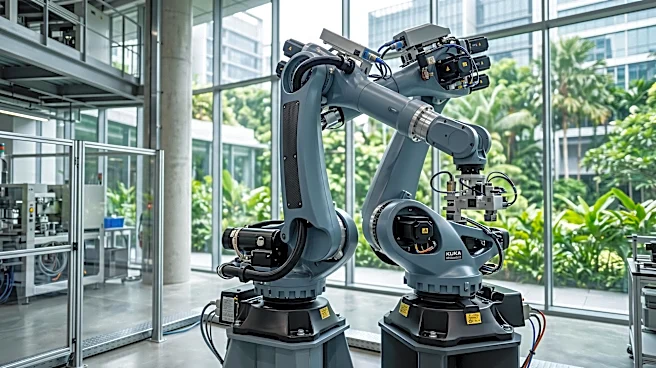
function as an extended scientific center, focusing on developing customized AI models for government agencies and industrial clients, particularly in advanced manufacturing and robotics sectors. Mistral AI intends to recruit talent in scientific research, engineering, AI, and robotics in Singapore. Prior to this official establishment, Mistral AI had already been active in Singapore, having signed an innovation strategic cooperation framework agreement with Singapore's Home Team Science and Technology Agency (HTX) in April of this year. This followed an initial Memorandum of Understanding signed in November 2025. HTX and Mistral AI have previously collaborated on the Phoenix project, aimed at developing a large language model for the Singaporean government.
Why It's Important?
This strategic move by Mistral AI underscores the growing global competition in the artificial intelligence sector and highlights Singapore's increasing role as a regional hub for technological innovation. By establishing a dedicated regional headquarters, Mistral AI aims to tap into the burgeoning demand for sovereign AI solutions, allowing organizations to maintain control over their AI operations, intellectual property, and data. This focus on custom AI models for governments and enterprises suggests a recognition of the unique security, privacy, and operational requirements of these entities. The collaboration with HTX, a key technological agency for Singapore's 'Home Team,' demonstrates a commitment to enhancing public safety and operational efficiency through advanced AI applications. This expansion could also foster greater AI talent development and investment in the Asia Pacific region, potentially influencing the competitive landscape for AI companies globally, including those in the U.S. market.
What's Next?
Mistral AI's immediate next steps involve aggressive recruitment in Singapore to meet its 2027 workforce target of over 200 employees, focusing on research, engineering, AI, and robotics talent. The company will likely deepen its existing collaborations, such as the Phoenix project with HTX, to deliver more secure and intelligent AI solutions for public safety. Furthermore, Mistral AI is expected to actively pursue new partnerships with government agencies and industrial clients across the Asia Pacific region, particularly in advanced manufacturing and robotics, to develop and deploy its sovereign AI models. This expansion could lead to increased competition for other AI providers in the region, potentially driving further innovation and specialization in AI applications tailored for specific governmental and industrial needs. The company's success in Singapore could also serve as a blueprint for further international expansion.
Beyond the Headlines
Mistral AI's emphasis on 'sovereign AI' carries significant implications beyond immediate business expansion. Sovereign AI refers to an organization's ability to control its AI operations, including process knowledge, intellectual property, data, and product development. This approach addresses growing concerns among governments and large enterprises about data privacy, national security, and technological autonomy, especially in an era of increasing geopolitical competition. By offering open-weight models and customization tools like Forge, Mistral AI enables clients to deploy AI solutions on-premises, in private clouds, or through managed services, giving them greater control. This model could set a precedent for how AI is adopted and governed globally, potentially influencing regulatory frameworks and procurement policies in various countries, including the U.S., as nations seek to balance innovation with control over critical technologies. The focus on robotics and advanced manufacturing also points to a broader trend of AI integration into physical industries, raising questions about automation, workforce transformation, and ethical considerations in human-robot interaction.