




What's Happening?
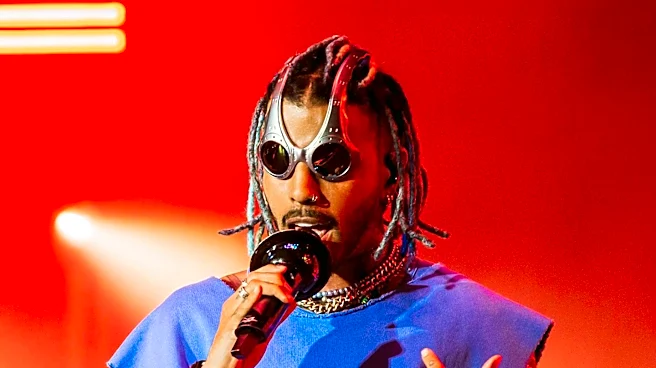
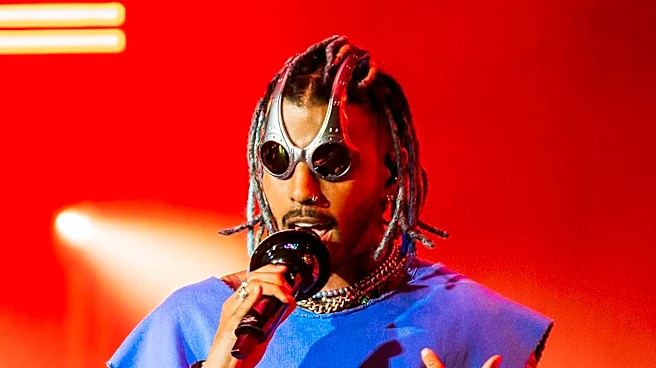
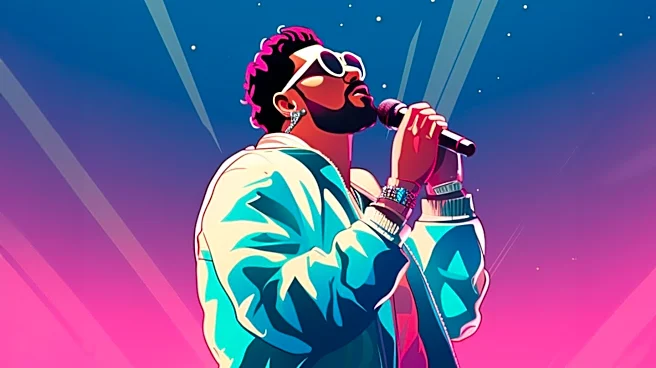
Rauw Alejandro, the Puerto Rican singer, has contributed his track 'Macacoa 2000' to the official soundtrack of Grand Theft Auto VI. This inclusion marks a significant moment for the artist, fulfilling a childhood dream of being part of the game he grew
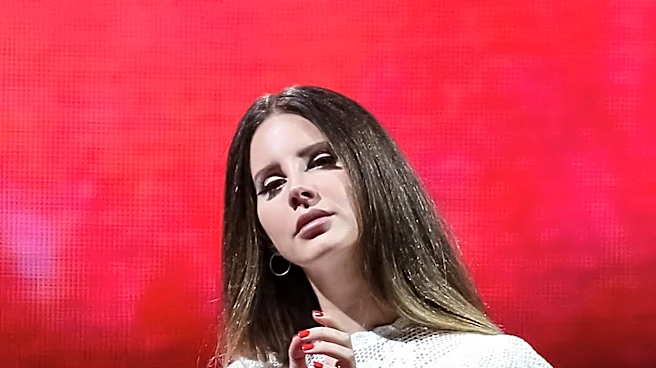
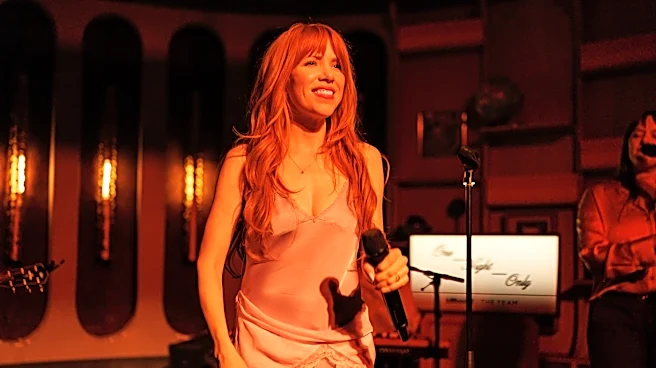
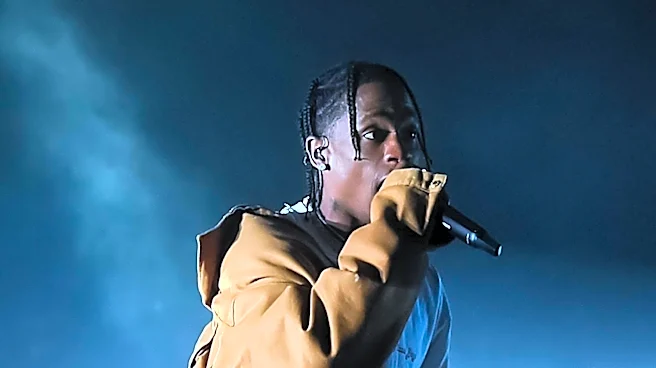
up playing. According to Billboard, Alejandro aimed to infuse the game's Miami-inspired Vice City setting with old-school reggaeton sounds, specifically drawing from Puerto Rican underground music. He expressed his desire to capture the feeling of late-night cruising with music blasting, blending Puerto Rican flavor with the game's adrenaline. 'Macacoa 2000' is part of 'Grand Theft Auto VI: The Album,' which also features music from other prominent artists such as Travis Scott, Cardi B, Morgan Wallen, Dua Lipa, and JENNIE. Alejandro also participated in the Grand Theft Auto: The Festival in Miami, further cementing his involvement with the game's release.
Why It's Important?
Rauw Alejandro's participation in the Grand Theft Auto VI soundtrack is significant for several reasons. It bridges the gap between urban music and the gaming industry, showcasing how these cultural spheres can mutually elevate each other. For the Latino community in the United States, particularly those with ties to Puerto Rico and Miami, hearing a reggaeton track with a distinct Puerto Rican stamp within the Vice City map adds a layer of cultural authenticity and identity to the gaming experience. This collaboration introduces a specific subgenre of reggaeton to a massive global audience, potentially broadening its appeal and recognition. Furthermore, it highlights the growing trend of major artists collaborating with video game franchises, transforming game soundtracks into influential platforms for music discovery and cultural exchange. The inclusion of diverse artists on the album also reflects a broader strategy to appeal to a wide range of musical tastes within the gaming community.
What's Next?
The release of Grand Theft Auto VI with its diverse soundtrack, including Rauw Alejandro's 'Macacoa 2000,' is expected to generate significant engagement from both the gaming and music communities. Players will experience Alejandro's music within the immersive world of Vice City, potentially leading to new fans discovering his work. The track's presence on in-game radio stations could drive listeners to seek out the song and the artist on streaming platforms. This collaboration may also inspire further cross-promotional opportunities between music artists and game developers, potentially leading to more integrated experiences in future game releases. The success of this venture could encourage other artists to explore similar partnerships, recognizing video games as powerful platforms for reaching new audiences and creating memorable cultural moments. The Grand Theft Auto: The Festival event in Miami also suggests a continued trend of live events tied to major game launches, blending music, gaming, and fan engagement.
Beyond the Headlines
Beyond the immediate impact of a song on a game soundtrack, Rauw Alejandro's involvement in Grand Theft Auto VI touches upon deeper cultural and economic implications. It underscores the increasing convergence of entertainment industries, where music, gaming, and digital media are no longer siloed but rather interconnected ecosystems. This collaboration can be seen as a strategic move to tap into the immense purchasing power and cultural influence of the gaming demographic, particularly among younger audiences. Ethically, it raises questions about the authenticity of cultural representation in global media, as artists like Alejandro bring specific regional sounds and identities to a mainstream platform. The nostalgic element for Alejandro, who grew up playing GTA, also highlights the full-circle journey many artists experience, moving from consumers of media to creators within it. This integration of personal history with professional output adds a layer of genuine connection that resonates with fans and reinforces the idea that video games are a significant part of contemporary cultural heritage.