



What's Happening?
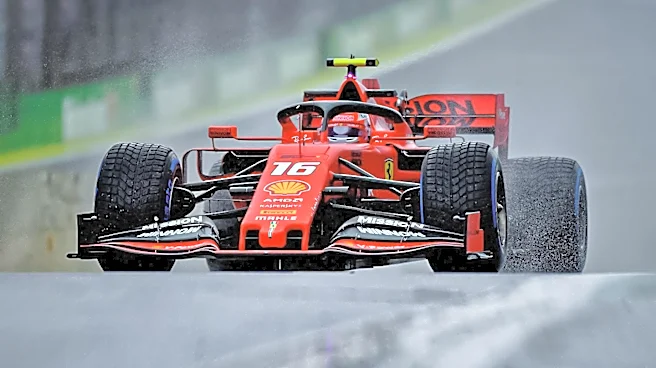
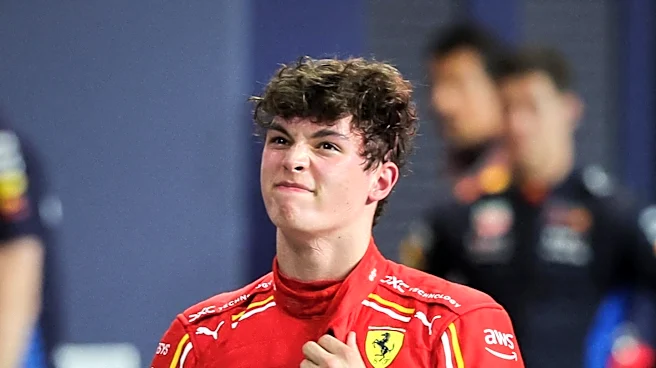
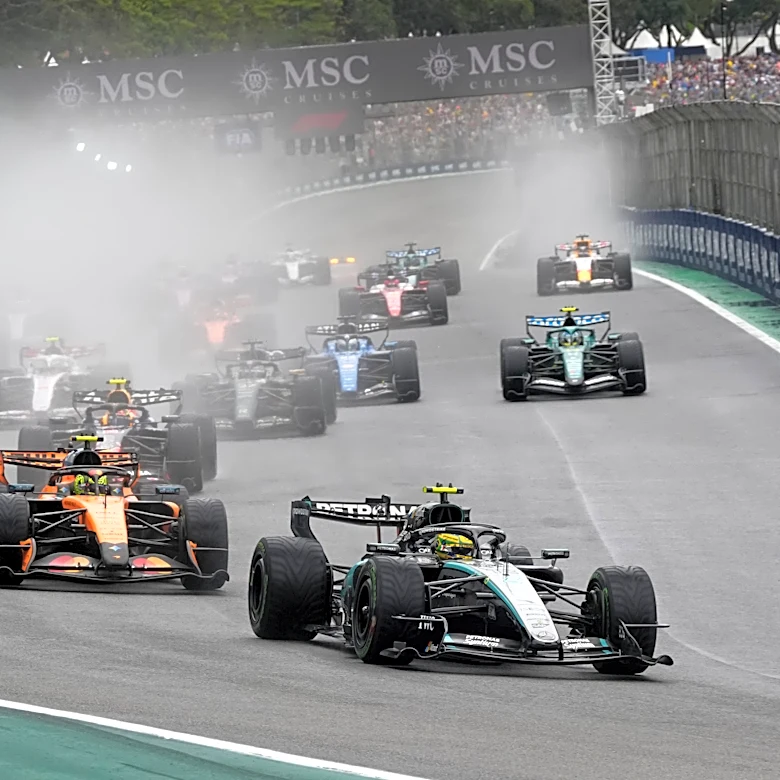
The FIA stewards have issued a five-second penalty to Oliver Bearman of Haas for an unsafe release during the Brazilian Grand Prix. The incident occurred when Bearman was released from his pit stop directly into the path of Charles Leclerc's Ferrari,
forcing Leclerc to brake and take evasive action, squeezing him towards the pit wall. The stewards determined that Bearman's release was unsafe, leading to the time penalty. This sanction did not alter Bearman's final finishing position of 17th. Separately, Charles Leclerc also received a five-second penalty for causing a slight collision with Liam Lawson's Racing Bulls later in the race, which resulted in Lawson being elevated to seventh place and Leclerc dropping to eighth. Ferrari's mathematical chances of winning the Constructors' title ended in Sao Paulo, with Mercedes securing the title.
Why It's Important?
These penalties highlight the stringent safety regulations and competitive pressures within Formula 1, particularly during chaotic race conditions like those experienced in Brazil. Unsafe releases in the pit lane are a significant safety concern, and the FIA's consistent enforcement of penalties underscores its commitment to driver safety and fair play. For teams like Haas, such penalties can impact their standing and reputation, even if the final position remains unchanged. For Ferrari, Leclerc's penalty not only cost them two points but also contributed to the end of their Constructors' Championship hopes, demonstrating how minor incidents can have significant consequences in a tightly contested season. The incident also reflects the intense rivalry and close racing that characterize Formula 1, where every maneuver is scrutinized for compliance with regulations.
What's Next?
Teams will likely review their pit stop procedures and driver communication protocols to prevent similar unsafe release incidents in future races. The FIA will continue to monitor race incidents closely, especially in mixed weather conditions, to ensure adherence to safety and racing standards. Drivers will need to maintain heightened awareness and discipline, particularly during pit entries and exits, to avoid penalties that can significantly affect their race results and championship standings. The focus for Ferrari will now shift to optimizing their performance in the remaining races and addressing any internal dynamics between drivers, as well as improving their power unit reliability to avoid grid penalties that have impacted their starting positions.
Beyond the Headlines
The penalties issued in the Brazilian Grand Prix, particularly the one involving an unsafe release, underscore the critical role of human and technological coordination in high-stakes motorsports. The rapid-fire decisions made in the pit lane, often under immense pressure and changing weather conditions, can have immediate and far-reaching consequences. This incident could prompt further discussions within Formula 1 about enhancing pit lane safety measures, potentially through technological aids or stricter procedural guidelines. It also highlights the fine line between aggressive racing and rule infringement, a constant debate in the sport. The cumulative effect of such penalties on championship outcomes emphasizes that success in Formula 1 is not solely about raw speed but also about meticulous execution and adherence to every rule, no matter how minor the infraction might seem.