


What's Happening?
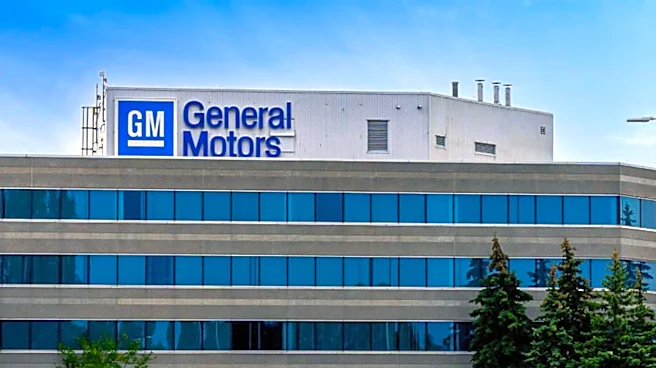
General Motors (GM) CEO Mary Barra has confirmed that the company will reintroduce hybrid vehicles across multiple segments. This decision comes after significant pressure from GM dealers who have expressed a strong need for hybrid options to compete
with rivals like Toyota and Honda, which have seen substantial success with electrified vehicle sales. Barra stated during an October 20 earnings call that hybrids have already been incorporated into GM's portfolio and will not require additional capital expenditure or engineering. Reuters reported that the first hybrid models are expected to be versions of the Chevrolet Traverse, Buick Enclave, and GMC Acadia, with production slated for a factory in Lansing, Michigan. This move marks a shift from GM's previous emphasis on an all-electric future, acknowledging current market demands and dealer feedback. Dealers have consistently communicated their need for hybrids at regional meetings, citing a competitive disadvantage in the absence of such offerings, especially in popular segments like three-row crossovers.
Why It's Important?
This strategic pivot by GM is significant for several reasons. Firstly, it directly addresses a critical gap in GM's product lineup, which has been highlighted by its dealer network. The absence of hybrid options has put GM at a disadvantage against competitors like Toyota, whose electrified vehicles constituted 57.4% of its U.S. sales in the third quarter, and Honda, with hybrids making up approximately 27% of its sales. This competitive lag has potentially contributed to GM's slight decline in U.S. market share, which fell from 16.8% to 16.1% year-over-year in the third quarter. By reintroducing hybrids, GM aims to recapture market share and cater to a segment of consumers who are not yet ready for full electric vehicles but seek better fuel efficiency, especially with fluctuating gas prices. This move could also bolster dealer profitability and customer satisfaction by offering a more diverse range of fuel-efficient options, thereby strengthening GM's overall market position in the evolving automotive landscape.
What's Next?
While GM has confirmed the return of hybrids, specific details regarding launch dates, exact models, and pricing remain unconfirmed. Reuters, citing unnamed sources, indicated that hybrid versions of the Chevrolet Traverse, Buick Enclave, and GMC Acadia would be among the first, produced at the Lansing, Michigan plant. However, GM has not officially announced these specifics. Consumers currently looking for fuel-efficient three-row crossovers will still find more immediate options from competitors like Toyota. GM's next steps will likely involve a formal announcement detailing the hybrid lineup, production timelines, and marketing strategies. The company will need to effectively communicate its hybrid offerings to both dealers and consumers to capitalize on this strategic shift. The success of these new hybrid models will be crucial in determining GM's ability to regain market share and meet diverse consumer demands in the short to medium term, as the automotive industry continues its transition towards electrification.
Beyond the Headlines
GM's decision to reintroduce hybrids reflects a broader industry recalibration in the transition to electric vehicles. While many automakers initially committed to aggressive all-electric timelines, market realities, consumer preferences, and infrastructure challenges are prompting a more diversified approach. This move by GM suggests an acknowledgment that a significant portion of the market still demands intermediate solutions like hybrids, which offer improved fuel economy without the range anxiety or charging infrastructure concerns associated with EVs. It highlights the complex balance automakers must strike between long-term sustainability goals and immediate market demands. This strategic flexibility could become a model for other legacy automakers navigating the EV transition, indicating that a phased approach incorporating various powertrain technologies might be more pragmatic than an exclusive focus on EVs. The long-term implications could include a more gradual consumer adoption of EVs, with hybrids serving as a crucial bridge technology for years to come.