


What's Happening?
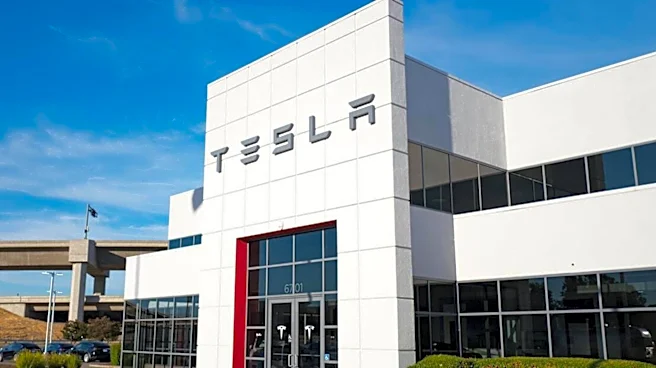
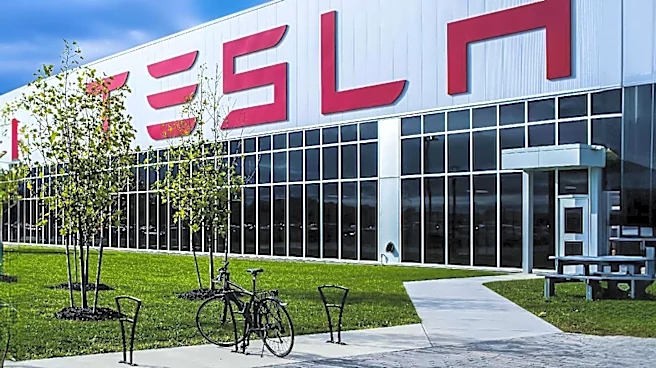
Tesla has registered a new German company, Tesla Machining Technologies Management SE, with its business address located at the headquarters of EMAG, a German machine-tool maker. The new entity, listed under HRB 315756 at the Munich district court with €120,000
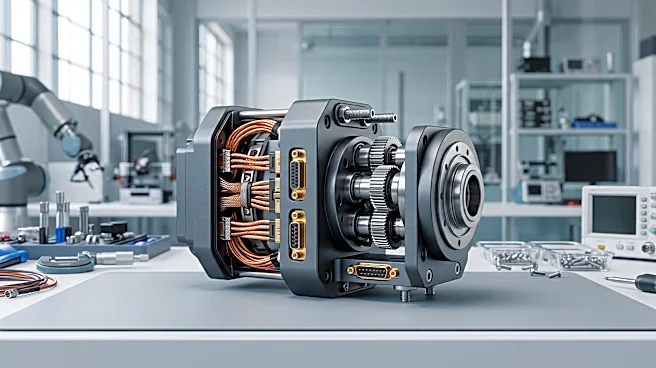
in share capital, was initially registered as a shell company, 'Blitz 26-299 SE,' before Tesla renamed it. This development aligns with Tesla's ongoing efforts to mass-produce its Optimus humanoid robots. EMAG specializes in manufacturing production equipment for gears used in humanoid robot actuator parts, such as flexsplines, wave generators, and planetary gears. Local reports suggest that approximately 220 EMAG employees may transition to Tesla, indicating a deeper collaboration between the two companies. Neither Tesla nor EMAG has officially confirmed a deal, but the establishment of the new company and EMAG's expertise in precision gear manufacturing point towards a strategic move by Tesla to address critical hardware challenges for Optimus.
Why It's Important?
This move is strategically important for Tesla's ambitious Optimus humanoid robot project, particularly in addressing the critical challenge of mass-producing high-precision gears. Tesla CEO Elon Musk previously identified the robot's hand and custom gears as significant hardware problems and reliability concerns. By potentially integrating EMAG's expertise and manufacturing capabilities, Tesla aims to secure a consistent supply of these specialized components, which are essential for the functionality and durability of Optimus robots. The ability to produce tens of millions of actuators annually, each requiring multiple precision gears, necessitates a robust and reliable manufacturing solution. This collaboration could significantly accelerate Tesla's timeline for scaling Optimus production, potentially impacting the broader robotics industry by demonstrating a viable path to mass-produced humanoid robots. For EMAG, a company that has faced financial difficulties and job cuts, a partnership with Tesla could provide a crucial lifeline and a new market for its advanced machining technologies.
What's Next?
While neither company has officially confirmed a deal, the establishment of Tesla Machining Technologies Management SE at EMAG's headquarters strongly suggests an impending collaboration or acquisition. The next steps will likely involve formal announcements regarding the nature of their partnership, whether it's a joint venture, a supplier agreement, or a more direct acquisition of EMAG's relevant assets or personnel. The reported transfer of EMAG employees to Tesla indicates a potential integration of EMAG's workforce and expertise into Tesla's operations. Tesla is already recruiting in Reutlingen for Optimus parts development and manufacturing, and this new entity could serve as a central hub for gear production. The success of this venture will be crucial for Tesla's goal of installing a Fremont line capable of producing a million robots per year, making the consistent supply of high-quality gears a top priority.
Beyond the Headlines
This development highlights a broader trend in advanced manufacturing where companies are increasingly insourcing critical component production or forming close partnerships to overcome supply chain challenges and accelerate innovation. For Tesla, this move underscores its commitment to vertical integration, a strategy it has successfully employed in its electric vehicle production. The focus on precision gears for humanoid robots also points to the evolving demands of the robotics industry, where mechanical precision and reliability are paramount for complex tasks. Ethically, the potential transfer of EMAG employees raises questions about job security and corporate transitions, though it could also offer new opportunities for skilled workers in a cutting-edge field. Culturally, the integration of German engineering prowess, known for its precision and quality, with Tesla's rapid innovation cycles could create a powerful synergy, potentially setting new benchmarks for robotic manufacturing globally.