






What's Happening?
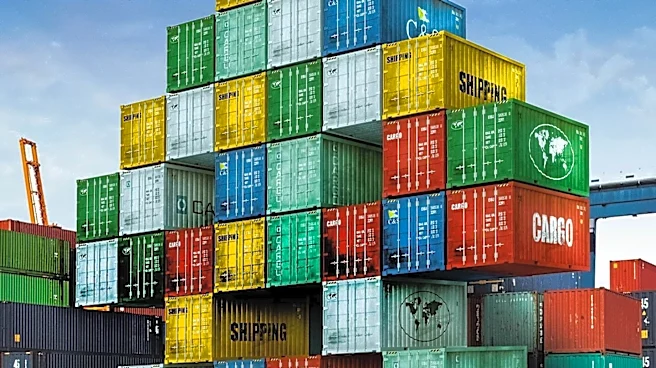
U.S. Customs and Border Protection (CBP) officers at the Area Port of Norfolk-Newport News seized 1,043 automotive radiators and 420 high-capacity dehumidifiers on August 25. These shipments, originating from China, were found to have significant discrepancies
in their entry and identification documents. Investigations revealed that the individuals listed as importers of record had never ordered commercial goods and were victims of identity fraud. The radiators were declared at a value of $5.54 each, totaling $5,775, while CBP trade specialists appraised them at approximately $105 each, for a total of $110,176. Similarly, the dehumidifiers were declared at $10,080 but appraised at $181,847. The seizures were made under 19 U.S.C. 1595a(c)(1)(A) for a violation of 18 U.S.C. 542, which pertains to the entry of goods by means of false statements. This incident follows a similar seizure in Baltimore two days prior, where over 8,500 falcata plywood sheets were imported using a stolen identity, undervalued, and falsely declared as Indonesian to avoid duties on Chinese goods.
Why It's Important?
This pattern of trade fraud, involving stolen identities and undervaluation, has significant implications for legitimate U.S. businesses and consumers. Undervaluation allows fraudulent importers to avoid substantial duties, antidumping deposits, and Section 301 assessments, which are calculated as a percentage of declared value. This creates an unfair competitive advantage against legitimate importers who pay the correct appraised rates and post bonds. Furthermore, the use of stolen identities for import records undermines the accountability system for replacement parts. In cases of product defects or recalls, the absence of a legitimate importer means there is no responsible party to contact, leaving consumers and repair shops without recourse. For example, there are no federal safety standards for radiators, and the recall system relies on a traceable business at the end of the supply chain. When an importer's identity is stolen, this system breaks down, potentially leading to significant repair costs for vehicle owners due to faulty parts.
What's Next?
Investigations into both the radiator and dehumidifier shipments are ongoing. CBP's e-Allegations portal remains a public channel for importers, distributors, and buyers to report suspected trade violations, and such reports often initiate these investigations. The agency emphasizes that legitimate businesses do not use stolen identities. The continued enforcement efforts by CBP aim to combat these fraudulent practices. However, the incentive for such fraud remains high due to the increasing demand for replacement parts in an aging U.S. vehicle fleet and the cost advantages gained by lying on import forms. This suggests that similar cases of undervaluation and identity theft in imports are likely to persist, requiring ongoing vigilance from both authorities and the public.
Beyond the Headlines
The core issue highlighted by these seizures is not about counterfeit parts, but rather a sophisticated paperwork crime. While the parts themselves may not be fake, the fraudulent import process creates a significant vulnerability in the supply chain. Unlike counterfeit goods, which often have a brand owner with resources to pursue legal action, these cases lack a clear commercial victim with a direct incentive to track down the source. The real victims are the individuals whose identities are stolen, legitimate businesses facing unfair competition, repair shops that install untraceable parts, and ultimately, consumers who bear the cost of potential part failures. This type of fraud exploits the regulatory system by manipulating declared values, effectively making the 'tariff rate on a lie' zero. It underscores a broader challenge in global trade: ensuring the integrity of import documentation and the traceability of goods, especially for components that lack federal safety standards.