







What's Happening?
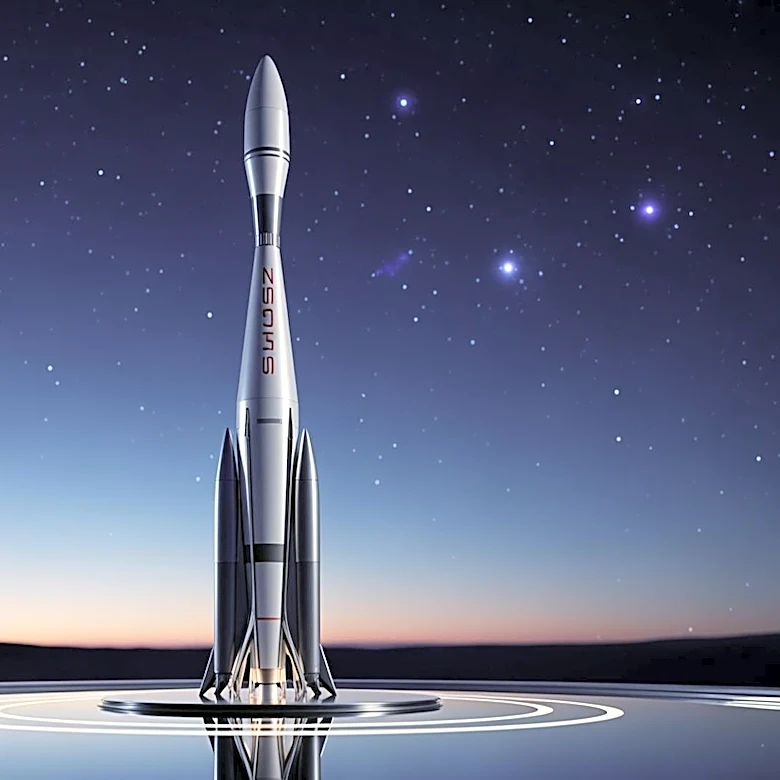
A European Ariane 6 rocket is set to launch a record-breaking payload for Amazon's Leo broadband satellites on June 17. The launch, taking place from Europe's Spaceport in Kourou, French Guiana, will carry 36 satellites, marking the heaviest payload ever
for an Ariane vehicle. This mission is part of Amazon's Project Kuiper, aiming to deploy over 3,200 satellites to provide global broadband coverage. The Ariane 6 rocket, equipped with new P160C boosters, will enhance its payload capacity, supporting large satellite constellations and expanding its mission capabilities.
Why It's Important?
This launch represents a significant milestone in the commercial space industry, highlighting the growing demand for satellite internet services. Amazon's Project Kuiper aims to compete with SpaceX's Starlink, which already has a substantial presence in low Earth orbit. The success of this mission could accelerate the deployment of Amazon's satellite network, potentially increasing global internet accessibility and fostering competition in the satellite broadband market. The advancements in Ariane 6's capabilities also demonstrate Europe's commitment to maintaining a competitive edge in space exploration and satellite deployment.
What's Next?
Following this launch, Amazon will continue to deploy its satellite network through multiple launches, aiming to complete the constellation over the coming years. The success of this mission could lead to further collaborations between Amazon and Arianespace, as well as other launch providers. As the satellite internet market grows, regulatory and competitive dynamics will likely evolve, influencing future deployments and service offerings. The increased competition may drive innovation and lower costs, benefiting consumers and expanding internet access globally.