







What's Happening?
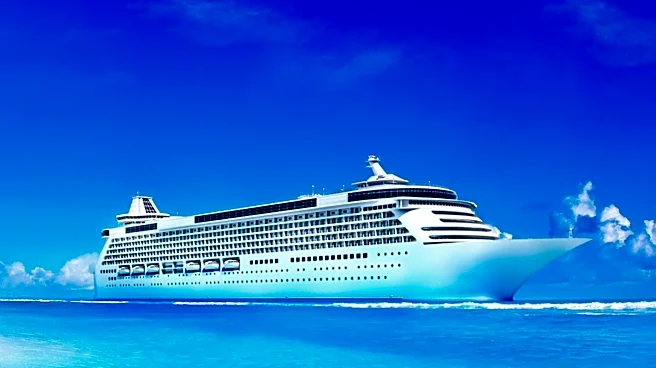
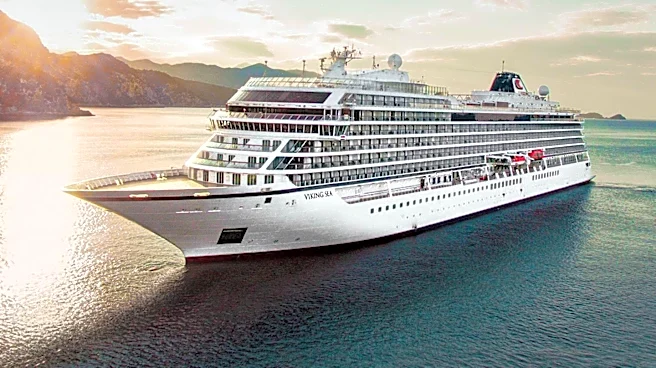
Travelers are advised to prioritize cruise itineraries and port schedules over ship amenities when planning their vacations, according to insights from industry experts. The article emphasizes that the specific route and the time spent at each destination
significantly impact the overall travel experience. For instance, not all Alaska cruises visit Glacier Bay National Park, and some Panama Canal cruises only offer partial transits. Similarly, Mediterranean cruises advertising Rome often dock at Civitavecchia, requiring lengthy travel to the city center. The importance of checking specific fjords for Norwegian cruises, ensuring sufficient time in popular spots like Santorini, and verifying overnight stays for destinations like Kyoto and Stockholm is highlighted. For destinations like Greenland and Antarctica, weather and ice conditions can alter planned stops, making itineraries with multiple opportunities for landings more valuable.
Why It's Important?
This guidance is crucial for U.S. travelers seeking to maximize their cruise vacation value and avoid disappointment. Misleading or vague itinerary descriptions can lead to missed opportunities to experience desired attractions, resulting in dissatisfaction and wasted travel expenses. By focusing on the port schedule and specific inclusions, consumers can make more informed decisions, ensuring their trip aligns with their expectations. This emphasis on itinerary detail also impacts cruise lines, encouraging greater transparency in their marketing and potentially leading to more detailed and accurate descriptions of their routes. For travel agents, understanding these nuances is vital to provide effective advice and build client trust, as they can help travelers navigate complex itineraries and choose the best options for their interests.
What's Next?
As travelers become more discerning, cruise lines may face increased pressure to provide clearer and more detailed itinerary information upfront. This could lead to enhanced digital tools for itinerary exploration, including estimated travel times from ports to major attractions and more explicit descriptions of scenic cruising areas. Travel advisors will likely play an even more critical role in helping clients interpret complex itineraries and manage expectations, potentially offering specialized services focused on destination-centric cruise planning. Consumers are encouraged to thoroughly research their chosen itineraries, ask specific questions about port times and transit details, and consider the overall experience rather than just the ship's features. This trend could also drive demand for longer port stays and more immersive destination experiences.
Beyond the Headlines
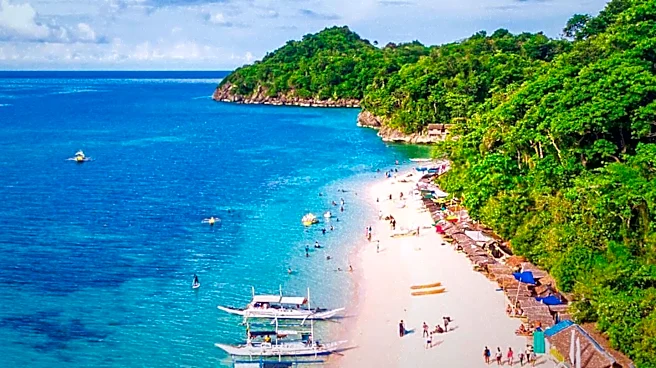
The focus on itinerary details over ship amenities reflects a broader shift in travel preferences, where authentic experiences and cultural immersion are gaining prominence over onboard luxury. This suggests that travelers are increasingly seeking meaningful engagement with destinations rather than simply using the ship as a floating resort. The challenges highlighted, such as long transfers from port to city centers or weather-dependent landings, underscore the complexities of cruise logistics and the need for travelers to be flexible and well-informed. This trend could also influence the design of future cruise ships and itineraries, with a greater emphasis on smaller, expedition-style vessels that can access more remote or unique locations, and itineraries that prioritize extended stays and deeper exploration of specific regions, moving away from a 'port-a-day' model.