

What's Happening?
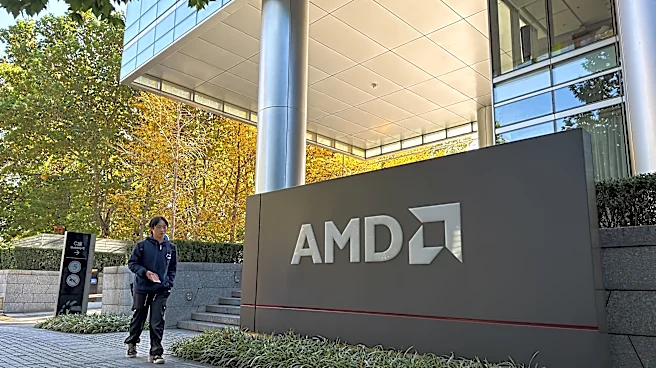
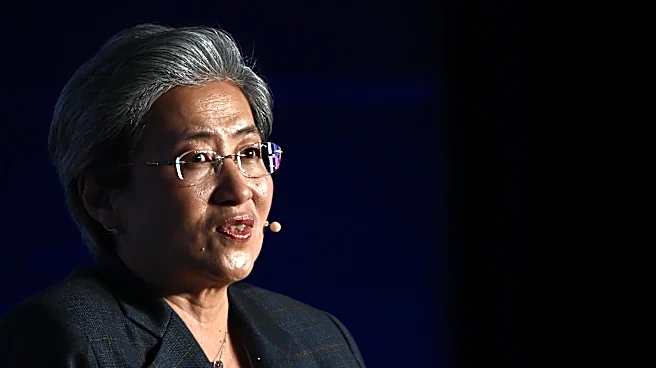
In a series of significant developments in the AI sector, AMD CEO Lisa Su completed two major acquisitions within a week. On November 16, AMD acquired World Labs for $8.2 billion in an all-stock transaction, appointing Li Feifei as Executive Vice President
and Chief Scientist, reporting directly to Su. The following day, AMD completed the acquisition of Taalas, an AI inference chip company, for $2.9 billion. These moves are part of AMD's strategy to expand its presence in physical AI and inference chips. Concurrently, Jason Wei, a key figure from OpenAI's o1 core team and later Meta's TBD Lab, announced his departure from Meta on November 17 via X. Wei is joining Mercor, a new startup focused on AI training data and evaluation, as its Chief Scientist. His decision is driven by the belief that data will shape the next frontier as more companies invest in training AI models. These events highlight the rapid pace of consolidation and talent movement within the artificial intelligence industry.
Why It's Important?
These developments underscore the intense competition and strategic maneuvering within the U.S. artificial intelligence and semiconductor industries. AMD's substantial investments in World Labs and Taalas signal a clear intent to bolster its capabilities in physical AI and AI inference, directly challenging competitors like Nvidia. The acquisitions could significantly enhance AMD's product offerings and market share in the burgeoning AI hardware sector, which is crucial for data centers and advanced computing. For the broader U.S. tech landscape, this signifies a continued push towards vertical integration and specialized AI solutions. Jason Wei's move from established giants like Meta to a startup like Mercor highlights the critical importance of AI training data and evaluation. This shift indicates that the value chain in AI is expanding beyond just model development to include the foundational data infrastructure, potentially creating new market opportunities and influencing how AI models are built and deployed across various industries. The rapid talent migration also suggests a dynamic environment where expertise is highly sought after, impacting innovation and competitive advantage.
What's Next?
Following these acquisitions, AMD is expected to integrate World Labs and Taalas into its existing operations, focusing on leveraging their technologies to enhance its AI product portfolio. This integration will likely involve significant research and development efforts to bring new physical AI and inference chip solutions to market. The appointment of Li Feifei as Chief Scientist indicates a strategic emphasis on innovation under Lisa Su's direct oversight. For Jason Wei and Mercor, the immediate future involves building out the startup's capabilities in AI training data and evaluation. This could lead to new methodologies and tools for AI development, potentially setting industry standards for data quality and model performance. The movements of key personnel like Wei also suggest that the AI talent market will remain highly fluid, with experts continually seeking opportunities that align with their vision for the future of AI. The broader AI industry will be watching how these strategic shifts impact the competitive landscape and the pace of technological advancement.
Beyond the Headlines
The recent activities in the AI sector, particularly AMD's acquisitions and Jason Wei's career move, reflect deeper trends shaping the future of artificial intelligence. AMD's aggressive expansion into physical AI and inference chips points to a future where AI is not just software-driven but deeply embedded in specialized hardware, potentially leading to more efficient and powerful AI systems. This could have profound implications for various sectors, from autonomous vehicles to advanced robotics, where real-time, on-device AI processing is critical. Jason Wei's focus on AI training data and evaluation at Mercor highlights an often-underestimated aspect of AI development: the quality and integrity of the data used to train models. Ethical and legal considerations surrounding data privacy, bias, and intellectual property will become increasingly prominent as data becomes a more central component of AI innovation. The rapid pace of talent movement also raises questions about the long-term stability and sustainability of AI research and development within large corporations versus agile startups, potentially fostering a more distributed and competitive innovation ecosystem.