




What's Happening?
Netflix has announced a new film titled 'Unabomber,' directed by Janus Metz and co-written by Sam Chalsen and Nelson Greaves. The film will star Jacob Tremblay as a young Ted Kaczynski, who later became known as the infamous Unabomber. The narrative will explore
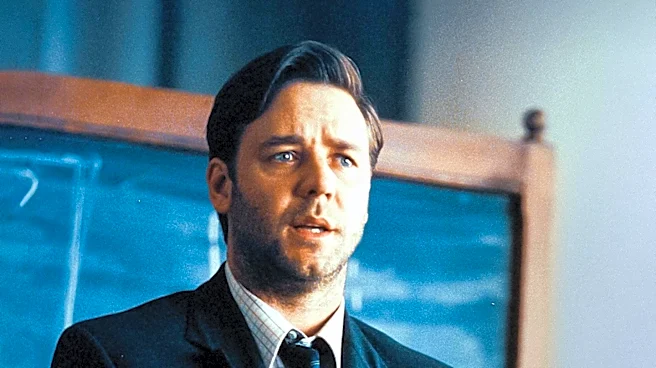
Kaczynski's time at Harvard, focusing on his involvement in psychological experiments conducted by Professor Henry Murray, played by Russell Crowe. The film aims to depict the dual timelines of Kaczynski's transformation into the Unabomber and his eventual capture. The story highlights a lesser-known aspect of Kaczynski's life, providing insight into a dark chapter of American history.
Why It's Important?
The film 'Unabomber' is significant as it delves into the psychological and societal factors that contributed to Ted Kaczynski's transformation into a domestic terrorist. By focusing on his formative years at Harvard, the film sheds light on the impact of psychological experiments and societal disenfranchisement on individuals. This narrative could spark discussions on the ethics of psychological research and the long-term effects of such experiments. Additionally, the film's portrayal of the FBI's extensive and costly manhunt for Kaczynski underscores the challenges law enforcement faces in tracking down elusive criminals. The film's release may also reignite public interest in true crime stories and the ethical considerations of dramatizing real-life events.
What's Next?
The film is set to premiere on Netflix on September 25, 2026. As the release date approaches, it is likely to generate discussions on the portrayal of real-life criminals in media and the balance between humanizing and glamorizing such figures. The film may also prompt viewers to reflect on the broader implications of psychological research and its ethical boundaries. The involvement of high-profile actors like Jacob Tremblay and Russell Crowe is expected to draw significant attention, potentially leading to further projects exploring similar themes.
Beyond the Headlines
The film's exploration of Ted Kaczynski's early life and the psychological experiments he underwent raises important ethical questions about the responsibility of researchers and institutions in safeguarding participants' mental well-being. It also highlights the potential long-term consequences of such experiments on individuals and society. The film's narrative may contribute to ongoing debates about the portrayal of criminals in media and the fine line between understanding and glamorizing their actions. As true crime continues to captivate audiences, 'Unabomber' could influence future storytelling approaches in the genre.