




What's Happening?
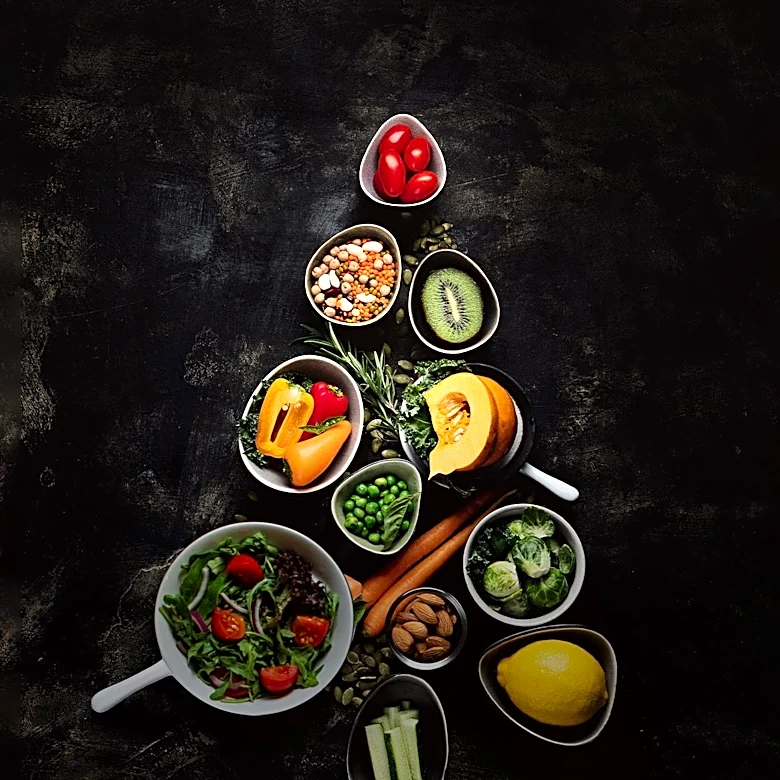
A plant-based Thanksgiving is being promoted as an affordable and healthy option, particularly in light of rising grocery costs and increased turkey prices due to inflation and bird flu disruptions. According to a guide from PCRM, plant-based diets, centered
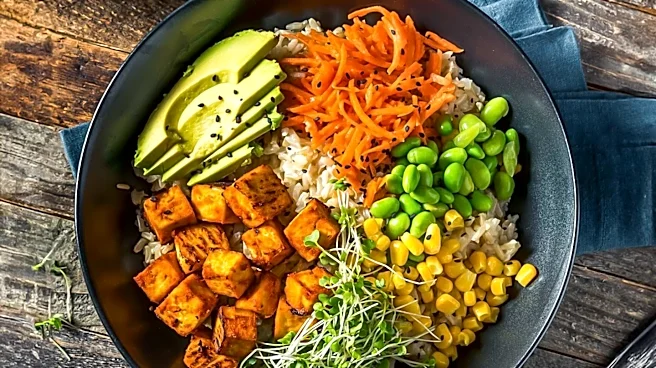
on fruits, vegetables, beans, and grains, are naturally cholesterol-free, lower in saturated fat, and rich in fiber. These diets are associated with a reduced risk of heart disease, type 2 diabetes, certain cancers, and other chronic conditions. A 2024 study published in JAMA Network Open found that adopting a low-fat vegan diet could cut grocery costs by nearly 20% compared to a typical diet. The guide emphasizes that many traditional Thanksgiving dishes are already plant-based or can be easily adapted with simple swaps, such as using vegetable broth instead of chicken broth or plant-based milk for mashed potatoes. This approach allows for familiar flavors while offering health and financial advantages.
Why It's Important?
The shift towards plant-based Thanksgiving meals holds significant implications for U.S. consumers and the food industry. For individuals, it offers a practical solution to combat the financial strain of holiday meal preparation, especially with meat and poultry prices having risen over 36% since January 2020. The health benefits, including reduced risk of chronic diseases, could lead to improved public health outcomes and potentially lower healthcare costs in the long term. For the food industry, this trend highlights a growing market for plant-based alternatives and ingredients, encouraging innovation in product development and potentially shifting agricultural practices. The emphasis on affordability and health could also influence consumer purchasing habits beyond the holiday season, fostering a broader adoption of plant-based eating.
What's Next?
As awareness of the financial and health benefits of plant-based diets grows, it is likely that more consumers will explore these options for holiday meals and everyday eating. Food manufacturers and retailers may respond by expanding their offerings of plant-based products, including ready-made holiday alternatives and ingredients. Educational initiatives, such as those from PCRM, will likely continue to provide resources and recipes to support this dietary shift. The success of plant-based Thanksgiving options could also influence public policy discussions around food affordability, health, and sustainable agriculture, potentially leading to increased support for plant-based food systems. This trend could further normalize plant-based eating, making it a more mainstream choice for a wider demographic.
Beyond the Headlines
The promotion of plant-based Thanksgiving meals touches upon deeper societal shifts concerning food culture, sustainability, and ethical considerations. Beyond the immediate cost and health benefits, choosing plant-based options aligns with growing environmental concerns regarding the impact of animal agriculture. It also reflects an evolving understanding of food ethics, with more consumers considering the welfare of animals. This movement challenges traditional culinary norms, demonstrating that holiday traditions can be maintained and even enhanced through plant-based alternatives. The increasing acceptance of plant-based foods could signify a broader cultural transformation in how Americans approach their diets, moving towards more conscious and sustainable food choices that benefit personal health, the environment, and animal welfare.