




What's Happening?
This week, key economic indicators such as the Consumer Price Index (CPI) and Producer Price Index (PPI) are set to be released, providing insights into U.S. inflation and consumer sentiment. The CPI, which measures the cost of living, is expected to show
whether the improvements seen in June can withstand recent geopolitical tensions, particularly in the Middle East. The conflict has disrupted oil shipments, potentially driving up energy prices and affecting overall inflation. The PPI, which tracks wholesale inflation, will also be released, offering a glimpse into potential future consumer price changes. Additionally, retail and consumer sentiment data will be published, with recent reports indicating a slight increase in consumer spending and sentiment, despite a drop in savings rates.
Why It's Important?
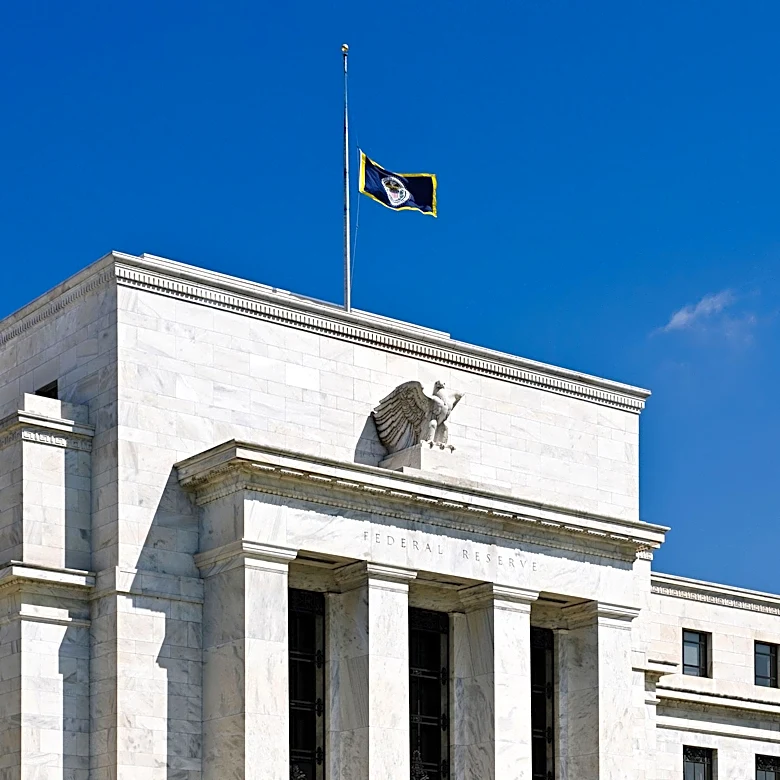
The release of these economic indicators is crucial for understanding the current state of the U.S. economy, especially in light of recent geopolitical events that could influence inflation. Rising energy prices due to Middle East tensions could lead to higher consumer prices, affecting purchasing power and economic stability. Investors and policymakers will closely monitor these data points to gauge the need for potential interest rate adjustments by the Federal Reserve. The outcomes could impact stock market performance, consumer confidence, and overall economic growth, influencing decisions by businesses and consumers alike.
What's Next?
Following the release of the CPI and PPI, market participants will likely adjust their strategies based on the data's implications for inflation and economic growth. The Federal Reserve may consider these indicators when deciding on future interest rate policies. Additionally, geopolitical developments in the Middle East will continue to be a significant factor, potentially affecting energy prices and economic stability. Stakeholders will watch for any policy responses or market reactions that could influence the broader economic landscape.