







What's Happening?
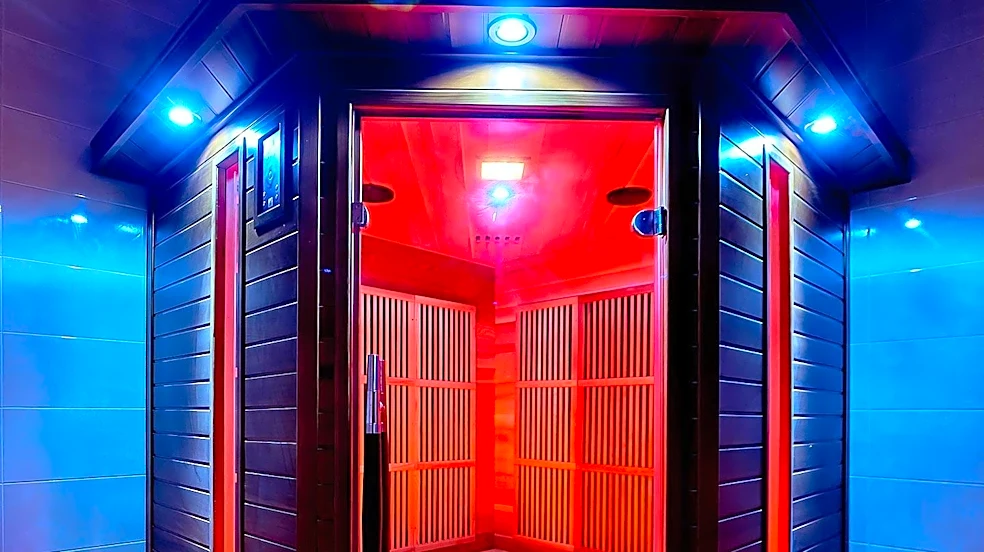
Infrared saunas are being utilized as a passive heat and relaxation modality within recovery routines. Unlike traditional saunas that heat the surrounding air, infrared saunas directly heat the body using infrared energy. This process can lead to physiological
responses such as increased skin blood flow, sweating, and cardiovascular activity. While research into the specific exercise recovery benefits of infrared saunas is ongoing, they are primarily seen as a complementary tool for relaxation and perceived muscle comfort. It is emphasized that infrared saunas should not replace fundamental recovery practices like exercise, proper hydration, nutrition, adequate sleep, and sufficient recovery time. The body still requires these core elements to restore energy, repair tissues, rebalance fluids, manage fatigue, and adapt to training stimuli. The role of infrared saunas is best understood as one component within a broader, systematic approach to recovery.
Why It's Important?
The growing interest in infrared saunas highlights a broader trend in wellness and recovery technologies, impacting how individuals approach post-exercise care and general well-being. For consumers, understanding the actual benefits and limitations of infrared saunas is crucial to making informed decisions about their health investments. The distinction between direct body heating in infrared saunas versus indirect air heating in traditional saunas is a key differentiator in the market, influencing product design and marketing. Businesses in the wellness industry, including sauna manufacturers and health centers, stand to gain from this trend by offering these technologies. However, the emphasis on infrared saunas as a complement rather than a substitute for core recovery practices is vital for public health, preventing individuals from neglecting essential aspects of their well-being in favor of a single modality. Misinformation regarding 'detoxification' claims through sweating is also a concern, as the body's primary detoxification functions are handled by organs like the liver and kidneys, not solely through perspiration.
What's Next?
Further research is anticipated to more definitively establish the specific exercise-recovery benefits of infrared saunas, particularly in comparison to the more extensively studied traditional saunas. As the wellness industry continues to evolve, there will likely be an increase in hybrid sauna models that combine both infrared and traditional heating technologies, offering users more customizable options for recovery and relaxation. Manufacturers will continue to innovate with features such as smartphone control, low EMF/ELF construction, and integrated red light therapy to enhance the user experience. Consumers will need to remain discerning, focusing on evidence-based benefits and integrating infrared sauna use thoughtfully into a comprehensive recovery strategy that prioritizes sleep, nutrition, hydration, and appropriate training. Healthcare professionals will also play a role in advising individuals, especially those with pre-existing medical conditions, on the safe and appropriate use of heat exposure therapies.
Beyond the Headlines
The integration of infrared saunas into personal wellness routines reflects a societal shift towards proactive health management and the pursuit of holistic well-being. This trend extends beyond physical recovery to encompass mental and emotional relaxation, as the dedicated time spent in a sauna can serve as a break from daily stressors and digital stimulation. The ethical implications of marketing claims, particularly those related to 'detoxification,' will continue to be a point of discussion, urging for greater transparency and scientific accuracy in the wellness industry. As these technologies become more accessible, questions of equitable access and affordability may also arise, influencing who can benefit from these recovery modalities. Ultimately, the long-term impact will depend on how effectively these tools are integrated into a balanced lifestyle, promoting overall health without creating dependencies or fostering unrealistic expectations.