





What's Happening?
Gen Z is increasingly rejecting the traditional pursuit of flawless finishes and perfectly matched furniture sets in favor of imperfect, vintage, and second-hand pieces. This shift is driven by a desire for individuality, sustainability, and a sense of history
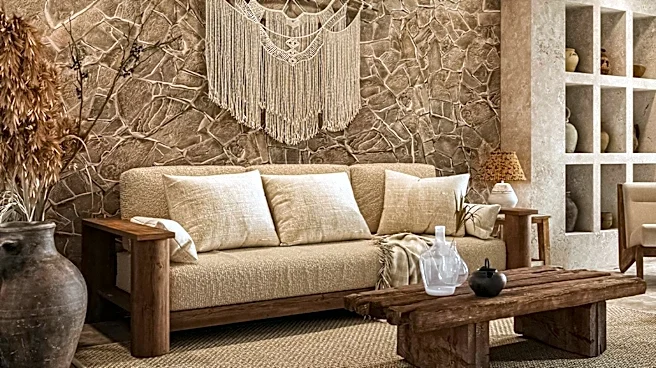
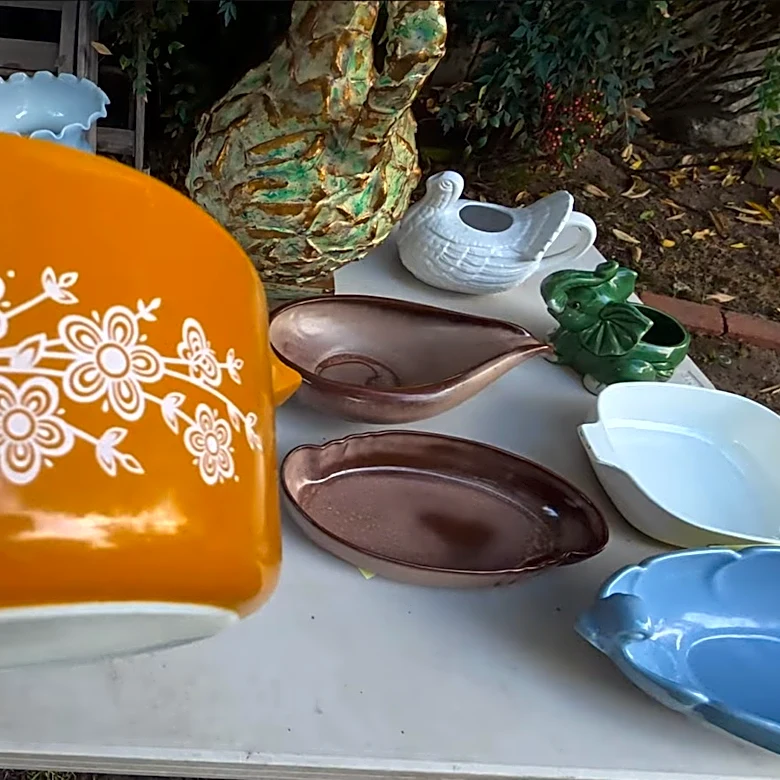
in their living spaces. Scratches, visible wood grain, uneven edges, and aged finishes are now considered desirable attributes, adding character and a unique story to furniture. This trend is a departure from the highly edited and often impersonal aesthetic promoted by social media, with younger consumers seeking items that feel authentic and less mass-produced. The movement is also influenced by a broader change in how Gen Z views ownership and design, prioritizing pieces that are pre-loved, collectible, and contribute to extending product lifespans.
Why It's Important?
This evolving preference among Gen Z has significant implications for the furniture industry and broader consumer markets. It signals a move away from fast furniture and towards more sustainable consumption patterns. Businesses that adapt to this demand for authenticity, durability, and unique character in furniture will likely gain a competitive edge. The trend encourages manufacturers to focus on materials that age gracefully, such as natural timber with visible knots, and to embrace hand-finished details and repairable construction. This shift could lead to a resurgence in craftsmanship and small-batch production, challenging the dominance of mass-produced, disposable items. Furthermore, it highlights a cultural change where personal expression and resourcefulness are valued over pristine, showroom-ready interiors, influencing interior design and retail strategies.
What's Next?
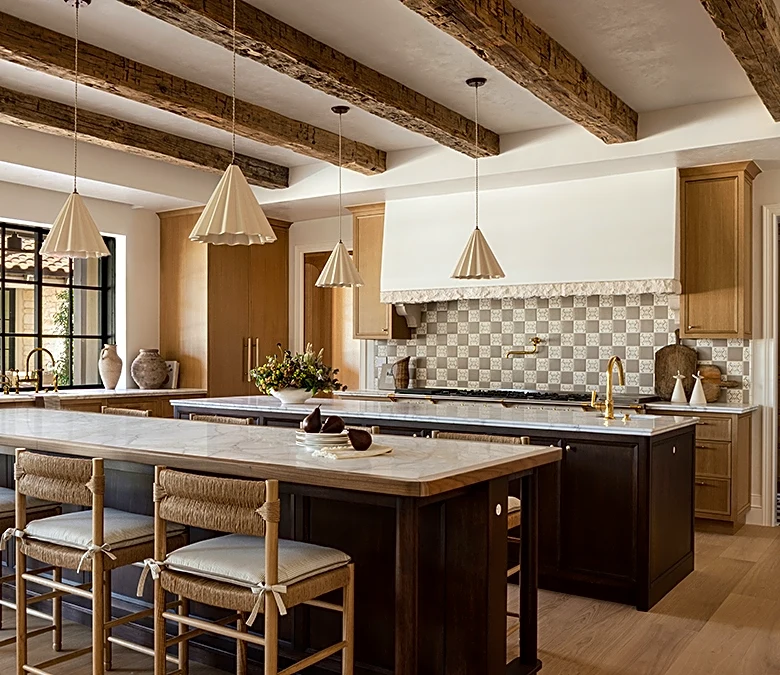
The furniture industry is expected to respond by incorporating more elements of 'imperfect' design into new collections, focusing on natural materials, textured surfaces, and designs that allow for a visible patina over time. There will likely be an increased demand for reclaimed wood, modular furniture, and items with hand-finished details. Retailers may expand their offerings of vintage and second-hand furniture, recognizing the growing market for pre-loved goods. Designers will continue to explore aesthetics that blend old and new, creating spaces that feel curated and lived-in rather than sterile. This trend also suggests a continued rise in the popularity of upcycling and DIY furniture restoration, as consumers seek to personalize their spaces with unique, character-filled pieces.
Beyond the Headlines
The embrace of imperfect furniture by Gen Z reflects deeper societal values, including a growing consciousness around sustainability and a rejection of consumerism's pressure for constant newness. It challenges the notion that perfection equates to value, instead finding beauty in transience and the marks of time. This aesthetic, influenced by concepts like wabi-sabi, promotes a more mindful approach to consumption and interior design, where objects are cherished for their stories and character rather than their pristine condition. It also speaks to a desire for individuality in an increasingly homogenized world, where personal expression through unique possessions becomes a form of rebellion against mass-market trends. This cultural shift could foster a greater appreciation for craftsmanship, durability, and the environmental impact of consumer choices.