






What's Happening?
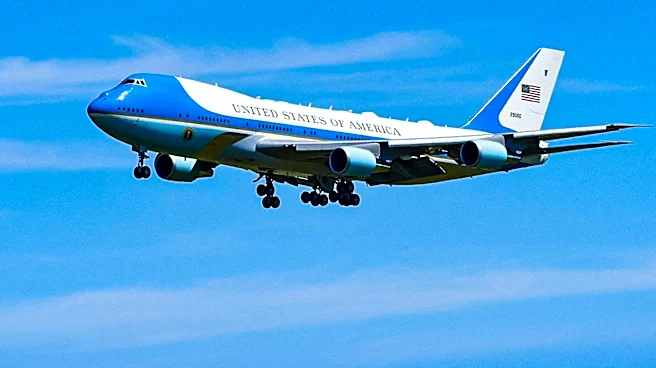
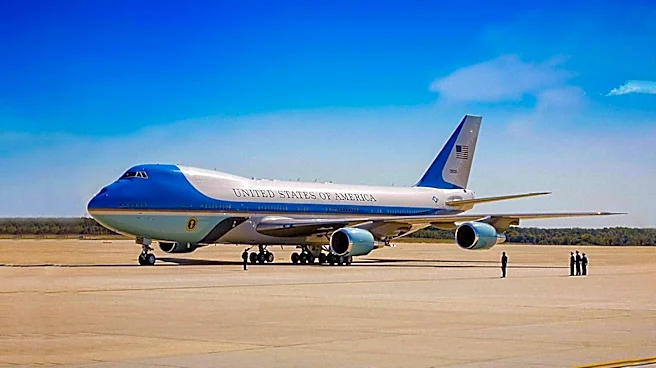
Boeing has reported a $3.08 billion loss on the Air Force One program, as the cost of developing the next presidential aircraft has risen by an additional $280 million. The program, which involves converting two secondhand Boeing 747-8 aircraft for presidential use,
has faced significant delays and cost overruns due to configuration changes, technological upgrades, and structural issues. Originally contracted at a fixed price of $3.9 billion, the project is now expected to cost nearly $7 billion, with Boeing absorbing the additional expenses.
Why It's Important?
The financial challenges faced by Boeing on the Air Force One program highlight the risks associated with fixed-price contracts, especially for complex and high-profile projects. The delays and cost overruns have not only impacted Boeing's financial performance but also raised concerns about the company's ability to deliver on time and within budget. The situation underscores the importance of thorough planning and risk management in defense contracting, as well as the potential consequences of underestimating project complexities.
What's Next?
Boeing is expected to continue investing in the Air Force One program to meet revised delivery schedules, with the first aircraft now slated for delivery in 2028. The company will likely focus on addressing the technical challenges and ensuring compliance with security requirements. The U.S. government may also review its contracting practices to mitigate similar risks in future projects. Boeing's experience with the Air Force One program could influence its approach to future defense contracts and its relationship with government clients.