







What's Happening?
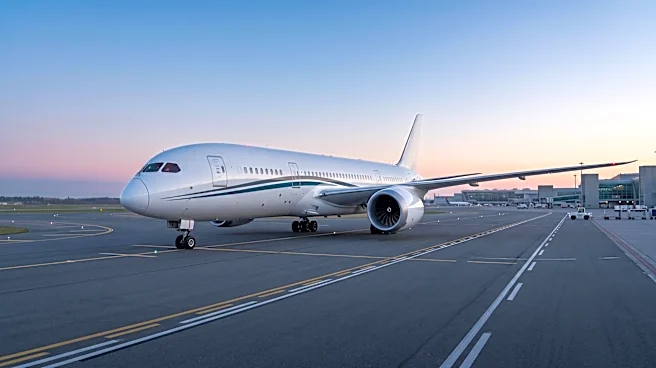
An Air Europa Boeing 787 Dreamliner, operating a flight from Asunción to Madrid, was diverted to Salvador de Bahía, Brazil, due to technical problems. Adding to the distress, several passengers reported being bitten by ticks during the flight. Passengers
Raúl Quiñónez and Antonio Rivas stated on X that they waited four hours for hotel accommodation, criticizing the airline for a lack of ground staff and hotels refusing to house them due to insufficient communication from Air Europa. Another passenger, Perla Zaracho, described being bitten by ticks on her body and finding them on backpacks, blankets, and seats, noting the aircraft smelled of urine and dampness. Air Europa confirmed the diversion was due to technical issues and stated that established protocols were followed, prioritizing passenger and crew safety, with passengers being transferred to a hotel upon arrival in Salvador de Bahía.
Why It's Important?
This incident highlights significant operational and public health concerns for airlines, particularly those operating international routes. Technical malfunctions on long-haul flights can lead to major disruptions, financial losses, and reputational damage for carriers. The reported tick infestation and unsanitary conditions raise serious questions about aircraft maintenance, hygiene standards, and pest control measures, which are critical for passenger safety and comfort. Such incidents can erode public trust in air travel and potentially lead to increased scrutiny from aviation authorities regarding health and safety compliance. For U.S. travelers, this event underscores the importance of airline selection and the potential risks associated with international travel, even on major carriers, emphasizing the need for robust health and safety protocols across the global aviation industry.
What's Next?
Air Europa will likely face an investigation into the technical issues that caused the diversion and, more critically, the reported tick infestation and unsanitary conditions on board. This could lead to internal reviews of their maintenance and cleaning procedures, as well as potential penalties or directives from aviation regulatory bodies. Passengers affected by the incident may pursue compensation for the delays and health concerns. The airline will need to address public relations challenges to restore confidence, potentially by issuing detailed statements on corrective actions. The broader aviation industry might also review best practices for aircraft hygiene and pest control to prevent similar occurrences, especially given the potential for such incidents to impact passenger health and safety on a wider scale.
Beyond the Headlines
Beyond the immediate operational and health concerns, this incident touches upon the broader implications of globalization and interconnectedness. The presence of ticks on an international flight raises questions about biosecurity and the potential for vectors of disease to travel across continents, posing public health risks. The passengers' complaints about the airline's handling of the situation also highlight issues of corporate responsibility and customer service in crisis management. In an era of instant communication via social media, such incidents can quickly escalate, impacting an airline's brand image and financial standing. This event serves as a stark reminder that even advanced technological systems like modern aircraft require meticulous attention to basic hygiene and passenger welfare to maintain operational integrity and public trust.