



What's Happening?
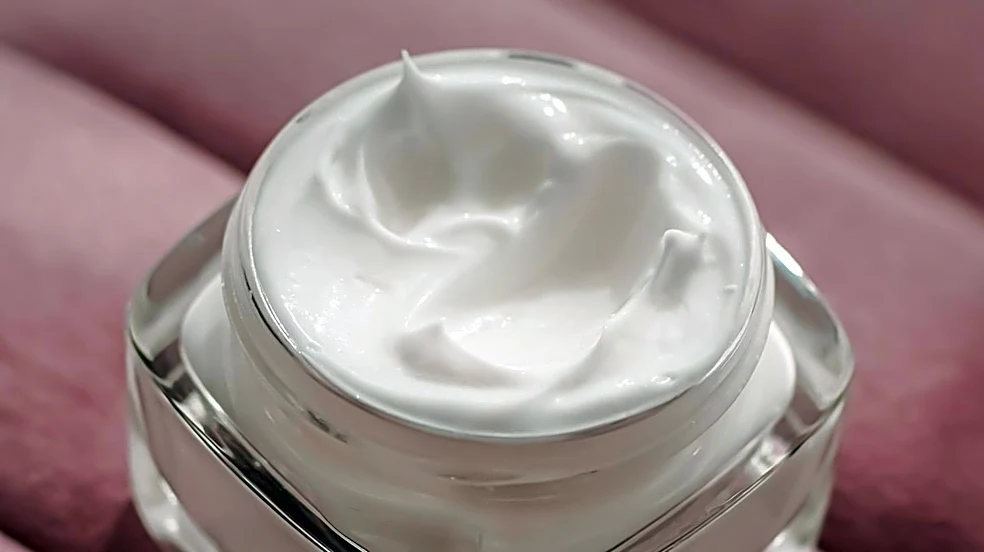
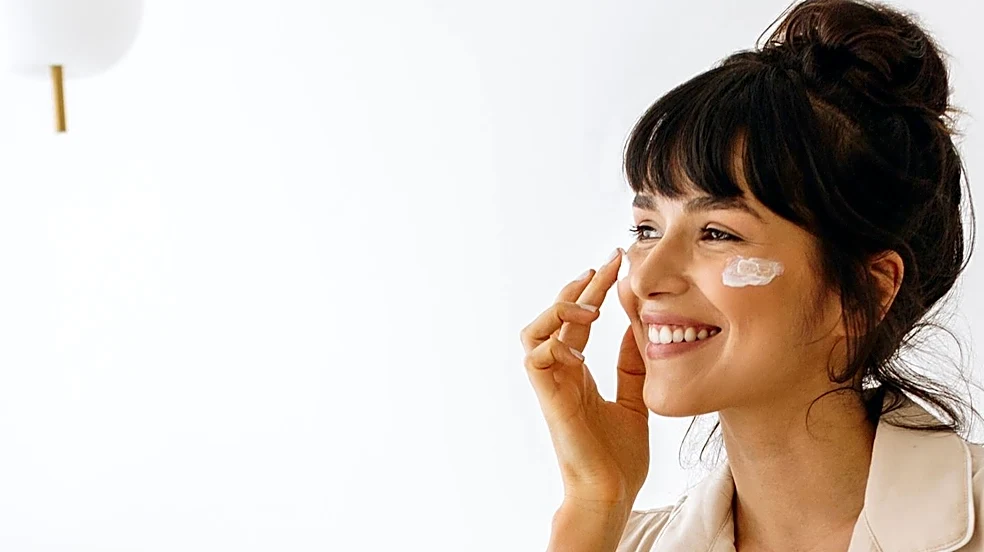
The 'skinimalism' trend, also known as the Minimalist Skincare Trend, is gaining traction by advocating for simplified skincare routines. This approach focuses on using fewer products that have demonstrated efficacy, promoting a more natural aesthetic.
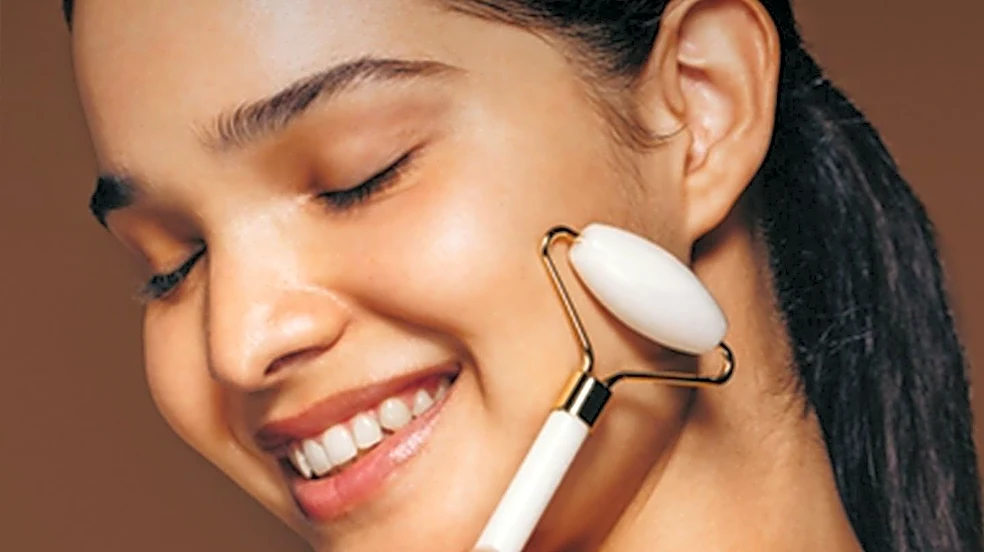
The core idea behind skinimalism is 'skin that looks like skin,' moving away from heavily filtered or blurred images in favor of pore-forward close-ups. This trend aligns with a broader desire for simplicity and naturalness, often equating these qualities with fewer ingredients and reduced chemical use in skincare products. It represents a shift from maximalist routines that involve numerous steps and products, which sometimes lead to skin reactivity. The movement encourages consumers to prioritize fundamental skincare steps like gentle cleansing, targeted active ingredients, moisturizing, and sunscreen application, rather than layering many different products. This trend is seen as a response to the fatigue associated with unattainable beauty standards promoted by heavily edited images and complex routines.
Why It's Important?
The skinimalism trend is significant as it challenges established norms within the beauty industry, which has historically promoted extensive product lines and multi-step routines. This shift could lead to a re-evaluation of product development and marketing strategies, with a greater emphasis on efficacy and ingredient transparency rather than sheer volume. For consumers, it offers a potentially more sustainable and less overwhelming approach to skincare, reducing both financial burden and the risk of skin irritation from over-application of various chemicals. The emphasis on 'real skin' also has broader societal implications, potentially fostering more realistic beauty standards and promoting self-acceptance. This trend may also influence related industries, such as cosmetic photography and social media content creation, as the demand for authentic, unedited visuals increases. Brands that adapt to this minimalist philosophy by offering multi-functional or highly effective core products may gain a competitive advantage, while those heavily invested in complex, multi-product systems might need to adjust their offerings.
What's Next?
The skinimalism trend is likely to continue evolving, with potential impacts on product innovation and consumer behavior. Skincare brands may increasingly focus on developing multi-tasking products that combine several benefits into one, catering to the demand for simplified routines. There could also be a rise in demand for products with transparent ingredient lists and scientifically backed efficacy, as consumers become more discerning about what they apply to their skin. Social media platforms and beauty influencers are expected to further embrace and promote this natural aesthetic, influencing how beauty is portrayed online. This could lead to a sustained preference for authentic, unedited content over highly filtered images. Furthermore, the trend might encourage more individuals to consult dermatologists for personalized, minimalist routines rather than relying on extensive product experimentation. The long-term impact could see a more informed consumer base that prioritizes skin health and simplicity over complex, often unnecessary, beauty rituals.
Beyond the Headlines
Beyond its immediate impact on skincare routines, skinimalism reflects a broader cultural shift towards authenticity and sustainability. In an era saturated with digital perfection and consumerism, this trend signals a desire for genuine experiences and a rejection of artificiality. Ethically, it encourages a more mindful consumption of beauty products, potentially reducing waste and promoting more sustainable manufacturing practices within the industry. Legally, increased consumer demand for transparency could lead to stricter regulations regarding ingredient labeling and product claims. Culturally, the embrace of 'skin that looks like skin' challenges the pervasive influence of edited images on self-perception and mental health, fostering a more inclusive and realistic view of beauty. This movement could also signify a long-term shift in how beauty is defined, moving away from an aspirational, unattainable ideal towards a celebration of natural diversity and individual well-being, potentially influencing other lifestyle sectors beyond skincare.