






What's Happening?
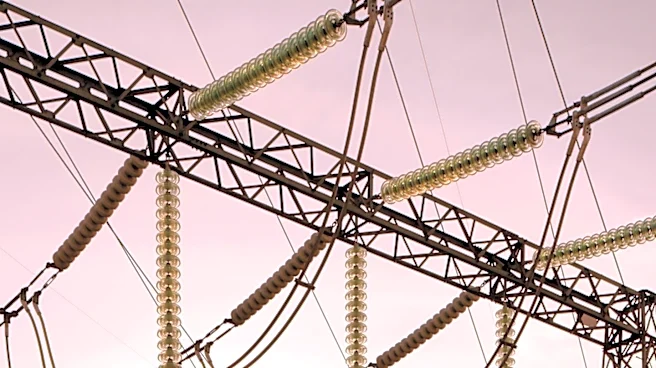
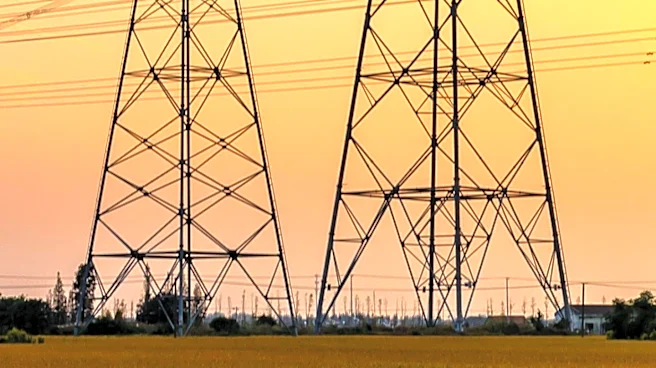
The Public Utility Commission of Texas (PUCT) has approved Oncor's application for a 765-kilovolt (kV) transmission line, designated Route 476, stretching approximately 182 miles from Longshore Switch in Howard County to Drill Hole Switch near the Culberson-Reeves
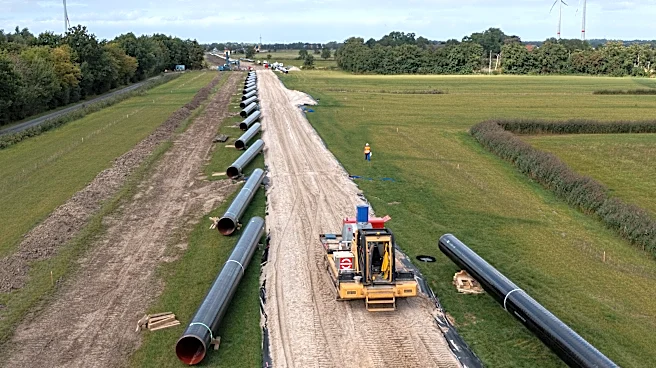
county line. This approval, granted on August 28, is part of a larger plan to build a roughly 424-mile northern 765-kV import path into the Permian Basin. Following this decision, two Permian midstream companies filed a joint motion on September 22, requesting a rehearing on part of the order. They are not seeking to halt the project but are asking for enhanced protection for existing pipelines that the new transmission line will cross or run alongside. Specifically, they want Oncor to coordinate with owners of all affected pipelines, not just those running parallel, and to allow sufficient time for mitigation measures before the lines are energized. Oncor has countered that existing commission protocols adequately protect pipelines and that additional conditions could cause project delays. The PUCT has extended its deadline to act on these rehearing motions until early December.
Why It's Important?
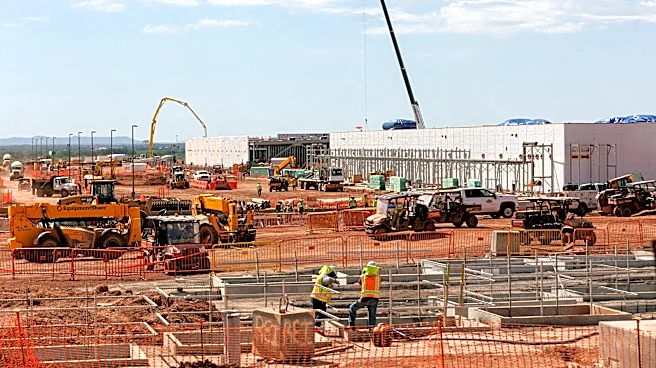
This development is significant for the energy infrastructure in the Permian Basin, a region experiencing substantial growth in natural gas and crude oil production. The U.S. Energy Information Administration reported a 60% increase in Permian marketed natural gas production from 2021 to 2025, alongside a rise in crude oil output. This expansion necessitates new infrastructure, leading to increased instances where new transmission corridors intersect with existing pipelines. The outcome of the midstream companies' rehearing request will establish a precedent for how future high-voltage power lines are integrated with existing oil and gas infrastructure across Texas. It will determine the responsibilities for coordination, mitigation, and cost allocation, potentially impacting project timelines and operational safety for both power and pipeline companies. Service companies operating in the oilfield are also affected, as they may face delays or require contract adjustments to address new crossing provisions, indemnity, and insurance requirements.
What's Next?
The Public Utility Commission of Texas is expected to make a decision on the rehearing motions by early December. The commission has several options: it can allow the motions to be overruled, deny them outright, or grant a rehearing to reconsider parts of its order. The chosen path will signal the commission's stance on how future crossings between high-voltage transmission lines and existing pipelines will be managed within the Permian reliability plan. This decision will influence the coordination requirements between utilities and pipeline operators, potentially affecting construction schedules and the allocation of costs for protective measures. Depending on the outcome, it could lead to new regulatory guidelines, private negotiations, or even litigation to resolve disputes over responsibility and financial obligations for mitigation efforts.
Beyond the Headlines
The ongoing dispute highlights a broader challenge in rapidly developing energy regions: the need to integrate new infrastructure with existing, often extensive, networks. The technical issue of high-voltage AC lines inducing voltage and current on nearby buried metal pipes underscores the complex engineering and safety considerations involved. While Texas Health and Safety Code Section 756.123 addresses some aspects of builder responsibility for protective measures, its applicability to power lines near pipelines without direct construction on the right-of-way remains a point of contention. The resolution of this case could influence legal interpretations of existing statutes and potentially lead to the development of more comprehensive regulatory frameworks for infrastructure co-location. It also brings to light the ethical considerations of balancing energy expansion with the protection of existing assets and the environment, as well as the economic implications for various stakeholders in the energy sector.