







What's Happening?
McLaren CEO Zak Brown has indicated his willingness to engage in discussions regarding potential changes to Formula 1's cost cap regulations. This comes in response to proposals from Williams team principal James Vowles, who advocates for reforms to the
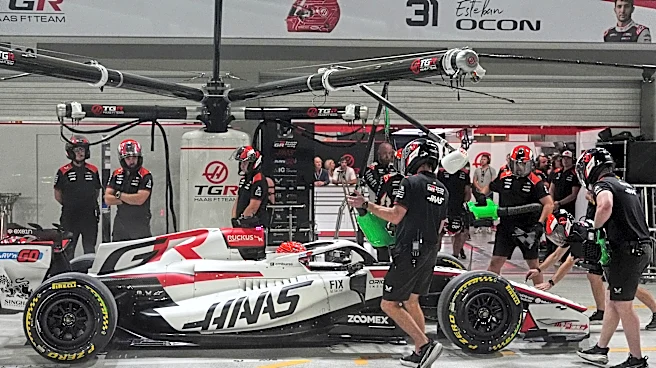
cost cap structure ahead of the 2027 regulatory cycle. Vowles argues that the current rules, introduced in 2021, disproportionately benefit teams with pre-existing infrastructure, creating an uneven playing field. He has suggested implementing dynamic capital or operational expenditure catch-up mechanisms linked to championship performance. While Vowles's ideas have garnered support from some teams like Alpine, Aston Martin, Audi, and Cadillac, they face opposition from others such as Haas and Racing Bulls, who are against expanding capital spending allowances. Front-running teams, including McLaren, have previously contended that maintaining current limits is crucial for preventing a renewed spending war and ensuring the sport's long-term financial stability. Brown acknowledged the complexity of the issue but emphasized the sport's collaborative approach to reviewing regulations across financial, sporting, and technical domains.
Why It's Important?
The debate over Formula 1's cost cap regulations carries significant implications for the competitive balance and financial sustainability of the sport. If Vowles's proposed reforms, which aim to level the playing field by addressing legacy infrastructure advantages, gain traction, it could lead to a more equitable distribution of resources and potentially more competitive racing. This could benefit teams with smaller budgets or newer entries by allowing them to invest more in their facilities and operations, thereby challenging the dominance of established, well-funded teams. Conversely, resistance from teams like Haas and Racing Bulls highlights concerns about potential increases in overall spending if capital expenditure allowances are expanded, which could undermine the original intent of the cost cap to control costs. The outcome of these discussions will shape the economic landscape of Formula 1, influencing investment strategies, team valuations, and the overall appeal of the sport to both participants and fans. McLaren's openness to discussion, despite its recent success under the current rules, suggests a recognition of the need for ongoing evaluation to ensure the sport's long-term health.
What's Next?
Any proposed changes to Formula 1's financial regulations would need to navigate a multi-stage approval process. This typically involves initial review and discussion within the FIA's Cost Cap Administration and Financial Advisory Committee. Following these preliminary stages, any formal proposals would then require a vote by the F1 Commission. This process can be lengthy, potentially spanning several months or even multiple seasons, given the need to achieve consensus among various stakeholders, including the teams, the FIA, and Formula 1 management. The immediate next step will likely involve continued lobbying and discussions among team principals and relevant committees to build support for or against Vowles's sliding-scale proposal. The ability of Vowles to secure sufficient backing from rival teams will be critical in determining whether his ideas progress to a formal vote. The ongoing dialogue will also likely involve an assessment of the current cost cap's effectiveness and any unintended consequences it may have created since its implementation.
Beyond the Headlines
The discussion surrounding Formula 1's cost cap extends beyond mere financial figures, touching upon fundamental principles of fairness, innovation, and the sport's long-term evolution. The argument that current rules entrench advantages for teams with legacy infrastructure raises questions about the true spirit of competition and whether the cost cap inadvertently stifles the growth of newer or less established teams. If the sport aims for genuine meritocracy, addressing these structural inequalities becomes crucial. Furthermore, the debate highlights the delicate balance between controlling expenditure to ensure sustainability and allowing sufficient investment for technological advancement and competitive development. The outcome could set a precedent for how major global sports leagues manage financial regulations to promote both economic viability and competitive integrity. It also underscores the complex political dynamics within Formula 1, where individual team interests often clash with the collective good of the sport, requiring careful negotiation and compromise to achieve meaningful reform.