
What's Happening?
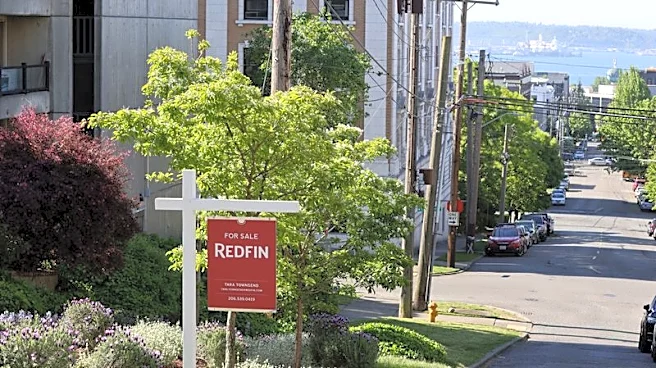
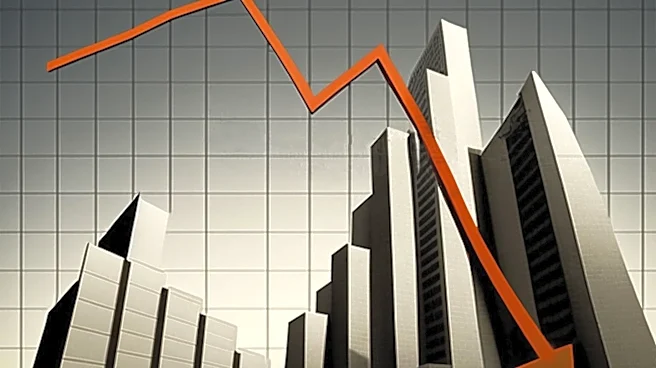
The U.S. housing market experienced a decline in July, with existing home sales falling by 1.7% from June, reaching a seasonally adjusted annual rate of 4.06 million units. This decline is attributed to
record-high home prices and elevated mortgage rates, which have become significant barriers for potential homebuyers. The National Association of Realtors reported that the median sales price for homes increased by 2% from the previous year, reaching $434,100. Despite the monthly decline, sales were up 0.7% compared to the same period last year. The housing market has been struggling since 2022, as mortgage rates have risen from pandemic-era lows, leading to a slump in home sales.
Why It's Important?
The ongoing challenges in the U.S. housing market have significant implications for the economy and potential homebuyers. High mortgage rates and record home prices are deterring many from purchasing homes, leading to a decrease in sales and a stagnation in the market. This situation affects not only prospective buyers but also sellers who are unable to capitalize on their investments. The low inventory levels further exacerbate the issue, as fewer homes are available for purchase. The housing market's health is a critical component of the broader economy, influencing consumer spending and financial stability.
What's Next?
The future of the U.S. housing market remains uncertain, with potential developments hinging on changes in mortgage rates and economic conditions. If mortgage rates continue to rise, it could further suppress home sales and prolong the market's stagnation. Conversely, any reduction in rates or stabilization of home prices could encourage more activity in the market. Policymakers and industry stakeholders will likely monitor these trends closely, as the housing market's performance is integral to economic growth and consumer confidence.