






What's Happening?
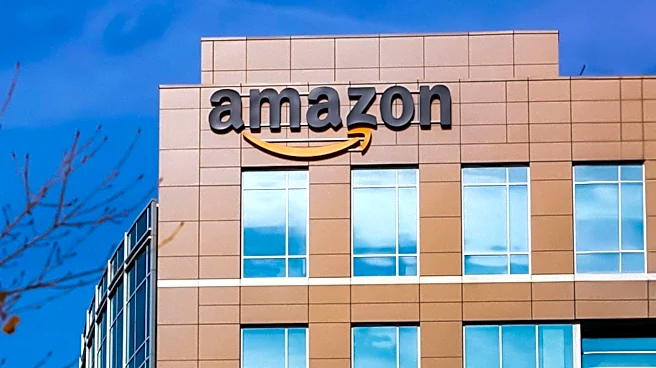
Amazon and Meta are currently engaged in discussions to potentially lift Amazon's block on Meta's AI shopping agent, Muse, from operating within Amazon's online store. Amazon initially blocked Muse's access in September, citing concerns over ad revenue
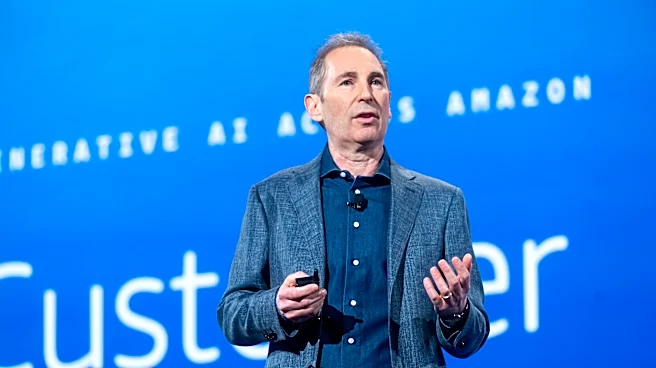
and control over search results, according to Fortune. Amazon's CEO, Andy Jassy, has expressed that while shopping through third-party agents hasn't yet proven more convenient than direct retail, he has not entirely dismissed the idea of opening access. Amazon itself offers agentic shopping features, which have sometimes drawn in sellers not typically on its platform. Muse, Meta's most successful consumer AI product, boasts over 10 million users in the U.S. and Canada and has positively impacted Instagram's ad business by improving conversion rates for advertisers. Data from Forter Intelligence indicates Muse is responsible for 51% of all agentic orders, surpassing SpaceX's Grok and OpenAI's ChatGPT.
Why It's Important?
This negotiation is significant for the U.S. e-commerce and advertising landscapes. Amazon's concern stems from the potential for AI shopping agents like Muse to weaken its direct customer relationships and bypass its lucrative advertising platform, which generates $68.6 billion annually. If a deal is reached, it could set a precedent for how major online retailers interact with third-party AI shopping agents, potentially reshaping the competitive dynamics of online retail. For Meta, continued access to Amazon's vast product catalog through Muse would further solidify its position in the AI shopping agent market and enhance its Instagram ad revenue. The outcome will influence how consumers discover and purchase products online, potentially shifting power dynamics between platforms and AI intermediaries.
What's Next?
The ongoing talks between Amazon and Meta will determine the future accessibility of Meta's Muse on Amazon's platform. Any agreement would require approval from both CEOs. The resolution of these discussions could lead to new operational frameworks for AI shopping agents on major e-commerce sites. If Amazon lifts the block, it could signal a more open approach to third-party AI integration, potentially encouraging other retailers to follow suit or develop their own agentic shopping solutions. Conversely, if the block remains, it could intensify the competition between proprietary platform features and independent AI tools, forcing Meta to seek alternative avenues for Muse's expansion or to focus on other retail partnerships.
Beyond the Headlines
The broader implications of this dispute extend to the evolving nature of online commerce and the control over customer data and advertising revenue. The rise of AI shopping agents like Muse challenges traditional e-commerce models by potentially disintermediating the direct relationship between consumers and retailers. This raises questions about data privacy, user experience, and the future of targeted advertising. The outcome of these negotiations could influence regulatory discussions around platform dominance and fair competition in the digital marketplace, particularly concerning how large tech companies manage access to their ecosystems for third-party AI services. It also highlights the increasing importance of AI in shaping consumer behavior and the strategic value of integrating AI capabilities into core business operations.