


What's Happening?
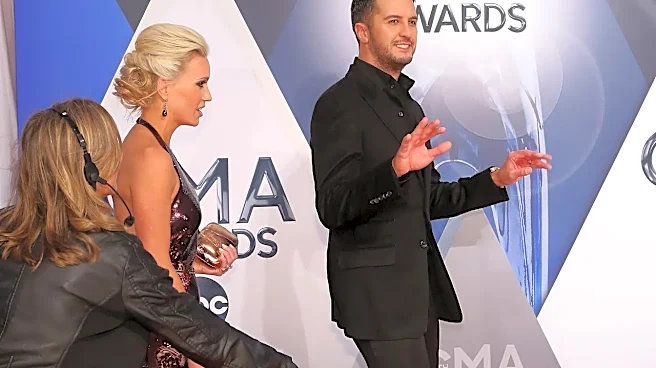
Country singer Sammy Kershaw expressed his gratitude for attending 'The 60th Annual CMA Awards' after a public dispute regarding red carpet access was resolved. Kershaw and his wife, Mendy, were initially denied entry to the red carpet, leading to a social
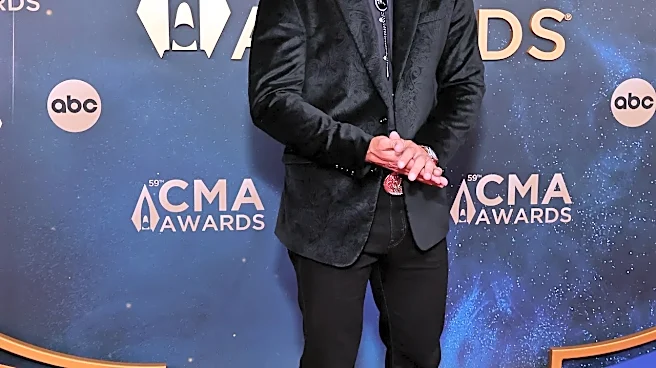
media post by Kershaw on November 5, 2026, highlighting his decades in the industry, charted hits, lifetime CMA membership, and past CMA Fest appearances. This post garnered support from other country artists, including Riley Green, Carly Pearce, Jake Owen, Mark Chesnutt, and Rodney Atkins. The CMA responded on November 9, 2026, with a statement addressing space and security guidelines for its 60th-anniversary show and apologized to those who felt excluded. Following a private conversation and a 'heartfelt apology' from CMA leadership, Kershaw and Mendy accepted an invitation to attend and walk the red carpet on November 12, 2026. Kershaw described the night as 'truly special' and thanked the CMA, fans, friends, and fellow artists for their support.
Why It's Important?
This incident underscores the significance of artist recognition and industry relations within the country music community. The initial denial of red carpet access to a veteran artist like Sammy Kershaw, despite his extensive contributions to the genre, sparked a notable public reaction. The subsequent support from other prominent artists and the CMA's swift apology and resolution highlight the importance of maintaining positive relationships with artists, regardless of their current chart performance. This event also demonstrates the power of social media in amplifying artists' concerns and mobilizing support, influencing industry organizations to address grievances promptly. For the CMA, the resolution was crucial in preserving its image and demonstrating its commitment to honoring both established legends and emerging talent in country music, especially during a milestone 60th-anniversary event.
What's Next?
The resolution of this dispute suggests a potential for the CMA to review and refine its protocols for artist access and recognition at future events. The incident may lead to more transparent communication regarding event logistics and a greater emphasis on acknowledging the contributions of long-standing artists. It could also encourage other industry organizations to proactively engage with artists to prevent similar public disagreements. For Sammy Kershaw, the positive outcome reinforces his standing within the country music community and provides a platform to advocate for continued celebration of both the future and the legends of the genre. The event's resolution is likely to foster a more inclusive atmosphere at upcoming CMA events, ensuring that artists feel valued and respected.
Beyond the Headlines
The red carpet dispute and its resolution offer a glimpse into the evolving dynamics between artists and major industry organizations. It highlights the delicate balance between logistical constraints, security concerns, and the need to honor artistic legacies. The public nature of the disagreement, amplified by social media, demonstrates how digital platforms can empower artists to voice concerns and garner collective support, potentially shifting power dynamics within the entertainment industry. This event also touches upon the broader cultural conversation about respecting and celebrating the contributions of veteran artists in an industry often focused on new talent. The CMA's eventual apology and invitation signify a recognition of the importance of historical figures in shaping the genre, suggesting a potential for more inclusive practices that bridge generational divides in country music.