



What's Happening?
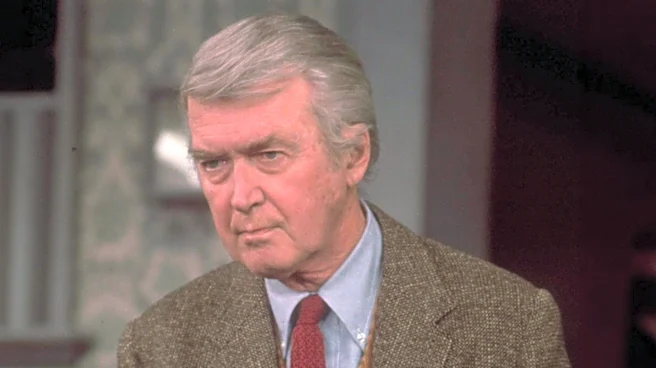
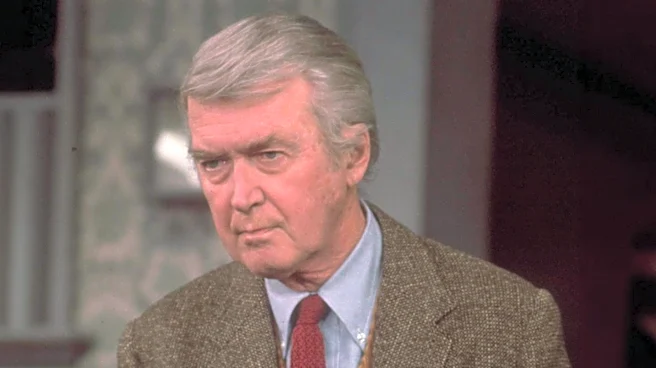
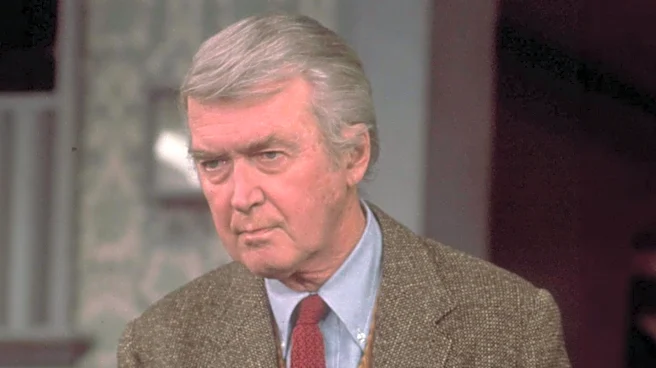
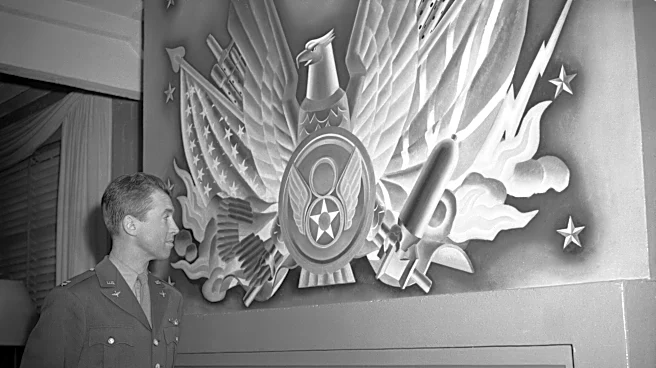
The new biopic 'Jimmy,' starring KJ Apa, is currently in theaters, offering an in-depth look at the life of legendary actor James Stewart. The film, directed by Aaron Burns, chronicles Stewart's journey from his Academy Award win to his enlistment in the Army
Air Corps, where he flew 20 combat missions during World War II. It highlights his continued service in the Air Force Reserve, eventually reaching the rank of brigadier general. A significant focus of the movie is Stewart's struggle with profound PTSD, anxiety, and depression following his military service, a common experience for many veterans. The film also explores his return to Hollywood and the emotional recovery he underwent, particularly during the filming of 'It's a Wonderful Life.' According to We Are Movie Geeks, KJ Apa's performance is described as remarkable and sincere, capturing the essence of James Stewart beyond mere impersonation. The movie features a star-studded cast including Neal McDonough as Stewart's father, Max Casella as Frank Capra, and Christopher McDonald as Lionel Barrymore, who provides a pivotal pep talk to Stewart during his post-war struggles.
Why It's Important?
The release of 'Jimmy' is important as it sheds light on the often-overlooked personal struggles of a beloved American icon, James Stewart, particularly his experiences with PTSD and mental health challenges after serving in World War II. This narrative can resonate with contemporary discussions around veteran mental health and the long-term impacts of military service. By portraying Stewart's determination to serve despite his Hollywood success and the psychological toll it took, the film contributes to a broader understanding of the sacrifices made by service members. The film's exploration of how Stewart navigated his return to civilian life and his acting career, particularly his role in 'It's a Wonderful Life,' offers a historical perspective on resilience and recovery. For the entertainment industry, it underscores the potential for biopics to delve into complex human stories behind public figures, potentially influencing future biographical film projects to address similar themes of personal struggle and societal impact.
What's Next?
The film 'Jimmy' is currently in theaters, and its reception will likely influence future biographical dramas focusing on historical figures with complex personal lives. The movie's emphasis on James Stewart's post-war mental health struggles could spark further conversations and awareness campaigns regarding veteran support and mental health services. Additionally, the film's success may encourage more productions to explore the lesser-known aspects of public figures' lives, moving beyond their professional achievements to their personal challenges and contributions. The involvement of Stewart's daughter, Kelly Stewart-Harcourt, as an executive producer, suggests a growing trend of family members participating in biographical projects to ensure authenticity and honor the legacy of their relatives. The film's offering of free tickets to veterans and first responders through Vet Tix and FirstTix.org indicates a commitment to community engagement and support for those who have served.
Beyond the Headlines
Beyond its immediate theatrical release, 'Jimmy' delves into profound ethical and cultural dimensions by highlighting the hidden costs of war, even for celebrated figures. James Stewart's battle with PTSD, anxiety, and depression after his military service underscores the universal and enduring psychological impact of combat, challenging the often-glamorized image of war heroes. The film's narrative implicitly critiques societal pressures that might have encouraged Stewart to suppress his trauma, reflecting a historical context where mental health issues were less understood and often stigmatized. By showing how his wartime experiences shaped his later career, particularly his performance in 'It's a Wonderful Life,' the movie suggests a deeper connection between personal suffering and artistic expression. This portrayal could foster greater empathy and understanding for veterans, encouraging a cultural shift towards more open dialogue and support for those grappling with similar invisible wounds.