




What's Happening?
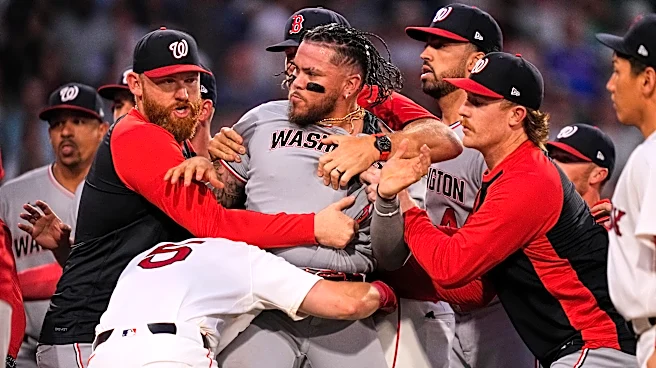
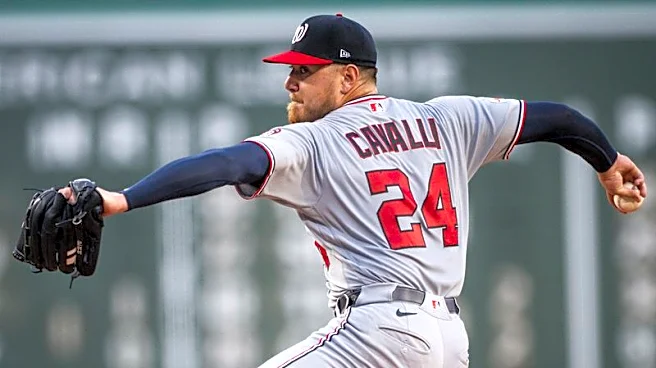
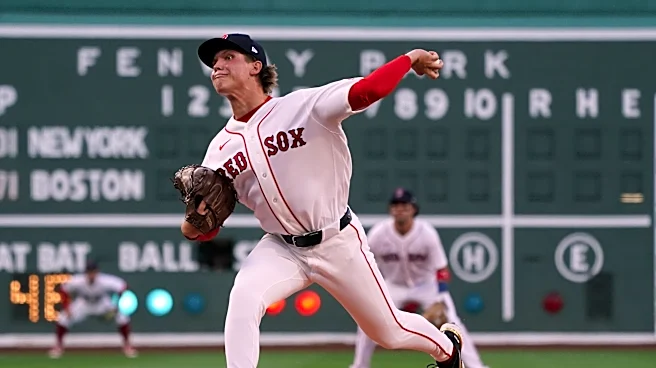
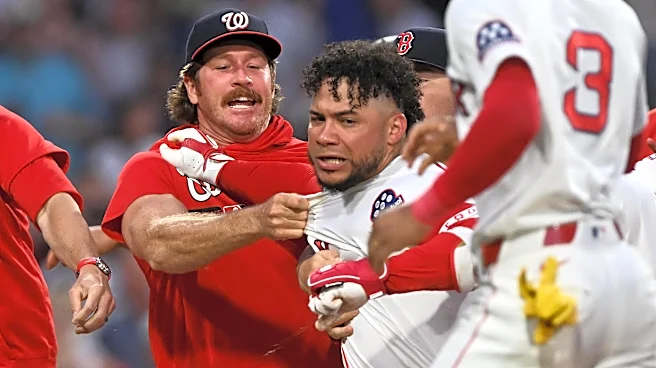
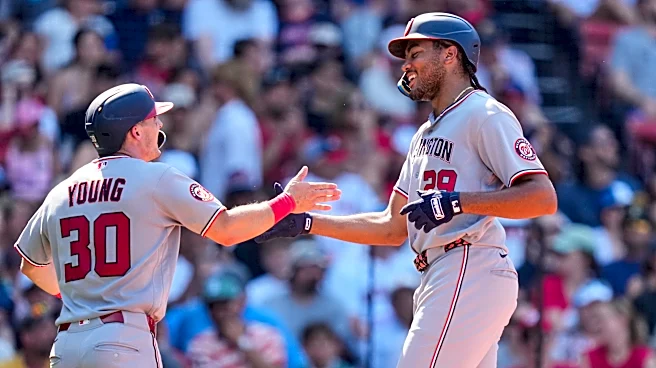
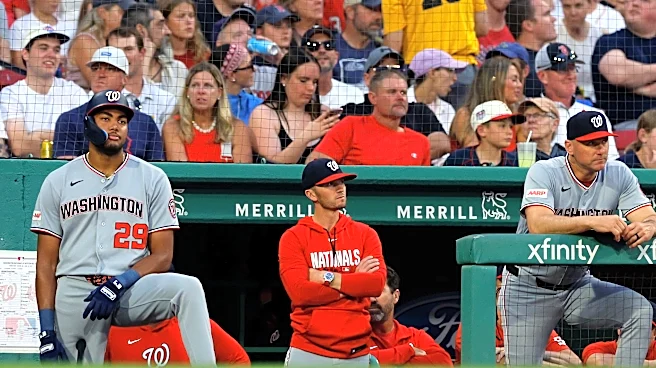
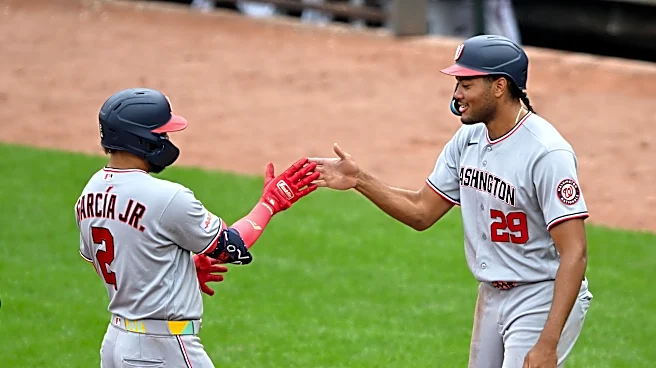
Washington Nationals pitcher Cade Cavalli issued an apology following a controversial incident during a game against the Boston Red Sox. Cavalli shouted 'sit down, boy!' at Red Sox first baseman Willson Contreras after striking him out, which led to a benches-clearing
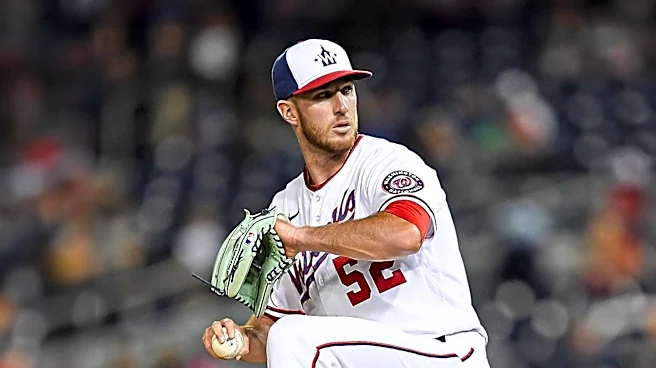
altercation. The term 'boy' has a racially charged history in the United States, and although Contreras, who is Venezuelan, did not explicitly state he perceived the comment as racially motivated, the incident sparked significant public backlash. Cavalli expressed regret, stating that he did not intend any racial connotation and was deeply affected by the negative perception of his words. He acknowledged the historical context of the term and emphasized his desire to learn from the incident. The altercation resulted in the ejection of several players and coaches, including Contreras and Cavalli's teammate Miles Mikolas.
Why It's Important?
This incident highlights the ongoing sensitivity and awareness required in professional sports regarding language and its potential racial implications. Cavalli's comment, whether intended or not, underscores the importance of understanding the historical and cultural weight of certain words. The public reaction and Cavalli's subsequent apology reflect a broader societal expectation for athletes to be mindful of their language and behavior, both on and off the field. This situation also illustrates the potential for sports events to become flashpoints for discussions on race and respect, impacting the reputations of players and teams involved. The incident may influence how sports organizations address similar issues in the future, potentially leading to more comprehensive education and training on cultural sensitivity for athletes.
What's Next?
Cavalli has not yet personally apologized to Contreras but expressed a desire to do so. The incident may prompt the Washington Nationals and other MLB teams to implement or reinforce cultural sensitivity training for their players. Additionally, the league might review its policies regarding player conduct to prevent similar occurrences. The response from fans and the broader public could influence how teams and the league handle such situations moving forward, potentially leading to stricter guidelines and consequences for inappropriate language or behavior.