




What's Happening?
Brad Keselowski, co-owner of RFK Racing, has highlighted a significant shift in NASCAR's competitive landscape, attributing it to the introduction of the Next Gen car. According to Keselowski, the engineering responsibilities have moved from individual
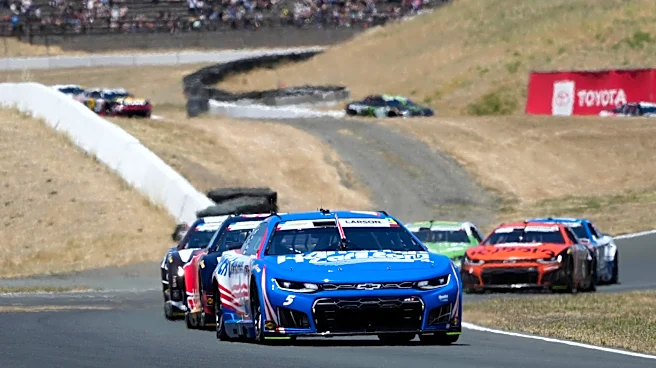
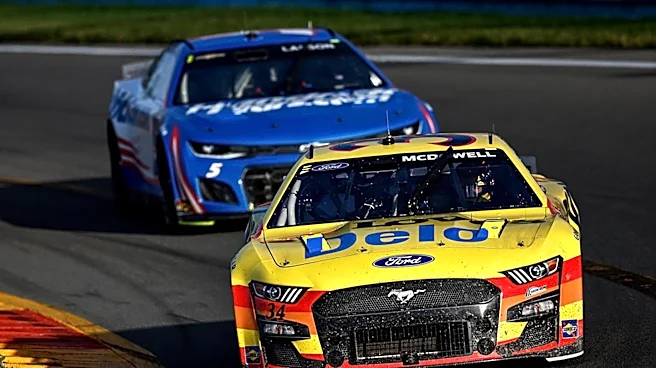
race teams to manufacturers, emphasizing the importance of collaboration between organizations. This shift has led to a scenario where races are often won in boardrooms through strategic decision-making rather than solely on the racetrack. The current season's statistics support this view, with Toyota drivers securing 11 victories in the first 18 NASCAR Cup Series races, while Ford has only one win. Keselowski argues that Toyota's success is due to its effective collaboration between premier teams, creating a larger pool of resources and talent.
Why It's Important?
This development is crucial as it underscores a transformation in how NASCAR races are won, shifting focus from individual team engineering to manufacturer-led strategies. The change has significant implications for the sport's competitive dynamics, potentially disadvantaging independent teams that lack the resources to compete with manufacturer-backed collaborations. Toyota's dominance suggests that manufacturers who can foster effective collaboration among their teams have a competitive edge. This shift could lead to a more homogenized field where success is determined by organizational strategy rather than innovation at the team level. The implications extend to the business side of NASCAR, where manufacturers' strategic decisions could influence sponsorships, team alliances, and the overall financial landscape of the sport.
What's Next?
As the season progresses, other manufacturers like Ford and Chevrolet may need to reassess their strategies to remain competitive. This could involve fostering deeper collaborations between their teams or investing in new technologies and resources to match Toyota's success. The ongoing evolution of NASCAR's competitive environment may also prompt rule changes or adjustments from NASCAR to ensure a level playing field. Teams and manufacturers will likely continue to explore innovative ways to leverage their resources, potentially leading to new alliances or shifts in team dynamics. The outcome of these strategic decisions will be closely watched by stakeholders across the sport, including sponsors, fans, and team owners.
Beyond the Headlines
The shift in NASCAR's competitive landscape raises questions about the future of innovation in the sport. With manufacturers playing a more central role, there is a risk that the sport could become less about individual ingenuity and more about corporate strategy. This could impact the culture of NASCAR, traditionally known for its emphasis on team-driven innovation and competition. Additionally, the increased focus on manufacturer collaboration may lead to ethical considerations regarding the balance of power between teams and manufacturers. As the sport evolves, stakeholders will need to navigate these changes while preserving the essence of NASCAR that has attracted fans for decades.