


What's Happening?
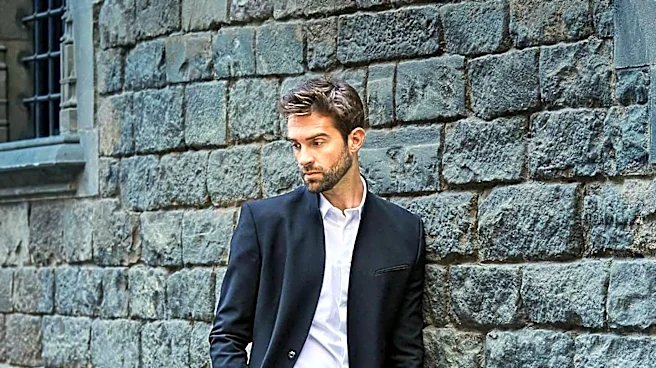
The concept of 'quiet luxury' in men's fashion is gaining prominence, emphasizing exceptional fit, fine materials, and understated design without visible logos. This approach prioritizes classic, minimal, and timeless pieces with regular or straight fits
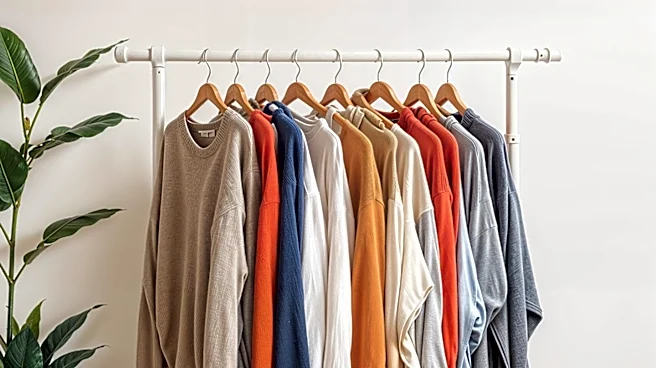
and a limited color palette. The goal is to create a wardrobe that is effortless and enduring, allowing the wearer to feel at ease without constantly chasing seasonal trends. Key elements include well-fitting garments, high-quality fabrics like suede, flannel, cashmere, and soft leather, and a focus on tonal dressing where variations in texture provide depth. The movement suggests that a good tailor is more valuable than any single expensive purchase, as fit is paramount. Brands like Sartoria Dalcuore, Ring Jacket, Auralee, A.Presse, William Lockie, Belgian Shoes, and Saint Crispin’s are highlighted as makers that align with this philosophy, offering quality and craftsmanship over overt branding.
Why It's Important?
This shift towards 'quiet luxury' in men's fashion reflects a broader cultural movement away from ostentatious displays of wealth and towards more discerning, quality-focused consumption. For U.S. consumers, it signifies a potential change in purchasing habits, favoring investment in fewer, higher-quality items that offer longevity and versatility. This could impact the retail sector, potentially boosting demand for bespoke tailoring services and brands known for their craftsmanship and material quality, while challenging fast fashion and heavily branded luxury goods. The emphasis on understated elegance also suggests a redefinition of status, where confidence and personal style are conveyed through subtlety rather than overt branding. This trend could influence how U.S. men perceive and invest in their wardrobes, promoting a more sustainable and thoughtful approach to fashion.
What's Next?
The 'quiet luxury' trend is expected to continue influencing men's fashion choices, with a growing emphasis on personalized fit and material quality. Consumers may increasingly seek out brands that prioritize craftsmanship and timeless design over fleeting trends. This could lead to a rise in demand for custom or made-to-measure clothing options and a greater appreciation for durable, high-quality fabrics. Retailers and designers in the U.S. might adapt by offering more curated collections that align with these principles, focusing on foundational pieces and versatile styles. Educational content around fabric care and garment longevity could also become more prevalent as consumers invest in higher-quality items. The trend may also encourage a more minimalist approach to wardrobe building, reducing overall consumption while increasing the value placed on individual pieces.
Beyond the Headlines
The 'quiet luxury' movement extends beyond mere fashion choices, touching upon deeper societal values related to authenticity, sustainability, and personal expression. In an era of constant digital visibility and brand saturation, this trend offers an alternative path to self-presentation, where confidence is derived from intrinsic quality rather than external validation. It challenges the notion that luxury must be loud or immediately recognizable, instead promoting a more intimate and personal understanding of value. This could foster a more sustainable fashion ecosystem by encouraging consumers to buy less but better, reducing waste and supporting ethical production practices. Furthermore, it highlights a growing appreciation for craftsmanship and the stories behind garments, potentially revitalizing traditional tailoring and textile industries.