


What's Happening?
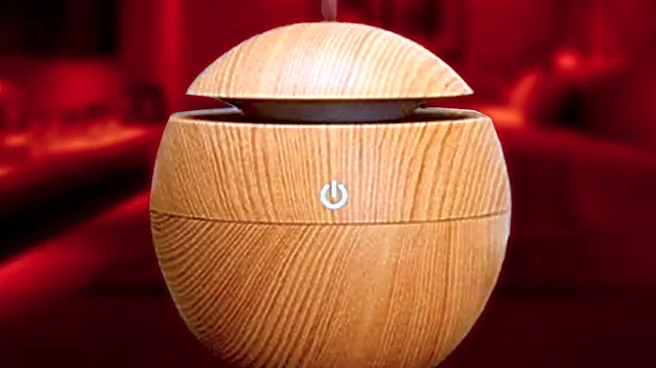
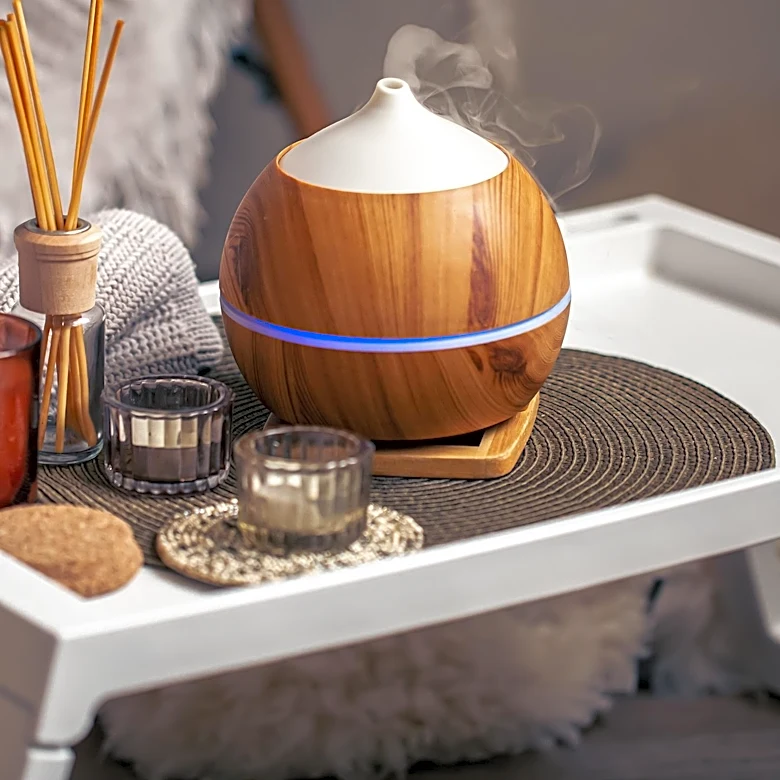
Cold-air nebulizing diffusion technology is enabling homeowners to replicate the sophisticated scent experiences typically found in luxury hotel lobbies. This technology atomizes pure fragrance oil into ultra-fine, dry particles using pressurized air,
preserving the full scent profile without heat or water. Unlike traditional diffusers, which can alter fragrance character or dilute scents, cold-air diffusion ensures consistent and sustained dispersion. While hotels often use HVAC-integrated systems for whole-building coverage, home units are designed for specific zones. The effectiveness of home cold-air diffusers depends on matching the device's output to the room's square footage, considering factors like high ceilings, open windows, and furniture. Proper placement, scheduling, and routine maintenance are crucial for optimal performance and to prevent nose blindness, where constant exposure diminishes scent perception.
Why It's Important?
This advancement in home fragrance technology has significant implications for the U.S. consumer market, particularly in the lifestyle and home goods sectors. It allows consumers to elevate their home environments, moving beyond basic air fresheners to create curated, hotel-like atmospheres. This trend can drive increased sales for manufacturers of cold-air diffusers and specialized fragrance oils. Businesses in interior design and real estate may also leverage this technology to enhance property appeal. The focus on preserving the integrity of fragrance profiles and providing sustained scent experiences caters to a growing demand for premium, high-quality home products. Furthermore, the ability to customize and control scent intensity and scheduling offers a personalized approach to home ambiance, impacting consumer preferences and purchasing decisions.
What's Next?
The cold-air diffusion market is expected to expand with more sophisticated and user-friendly home units. Future developments may include enhanced smart home integration, allowing for seamless control of fragrance scheduling and intensity through mobile applications or voice commands. There will likely be a greater emphasis on specialized fragrance oil formulations, including those designed for specific moods, times of day, or even health benefits. As the technology becomes more mainstream, manufacturers may introduce more affordable options, making luxury scent experiences accessible to a broader consumer base. Additionally, the industry might see an increase in professional consultation services for home scenting, similar to interior design, to help consumers optimize their fragrance choices and system setups.
Beyond the Headlines
The adoption of cold-air diffusion technology in homes reflects a deeper cultural appreciation for sensory design and the psychological impact of environment. It signifies a shift from merely masking odors to actively crafting an olfactory landscape that influences mood, memory, and overall well-being. This trend also raises questions about the environmental impact of fragrance production and consumption, prompting a need for sustainable sourcing and eco-friendly product development. The concept of 'olfactory branding,' previously confined to commercial spaces, is now entering the domestic sphere, suggesting a growing desire for personal brand identity within one's living space. This could lead to new forms of consumer expression and a more nuanced understanding of how scent contributes to personal identity and lifestyle.