





What's Happening?
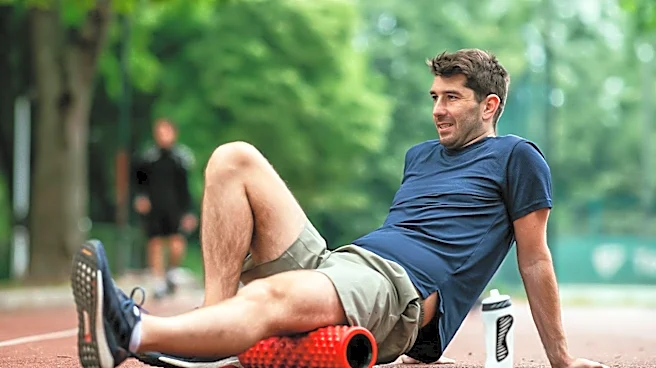
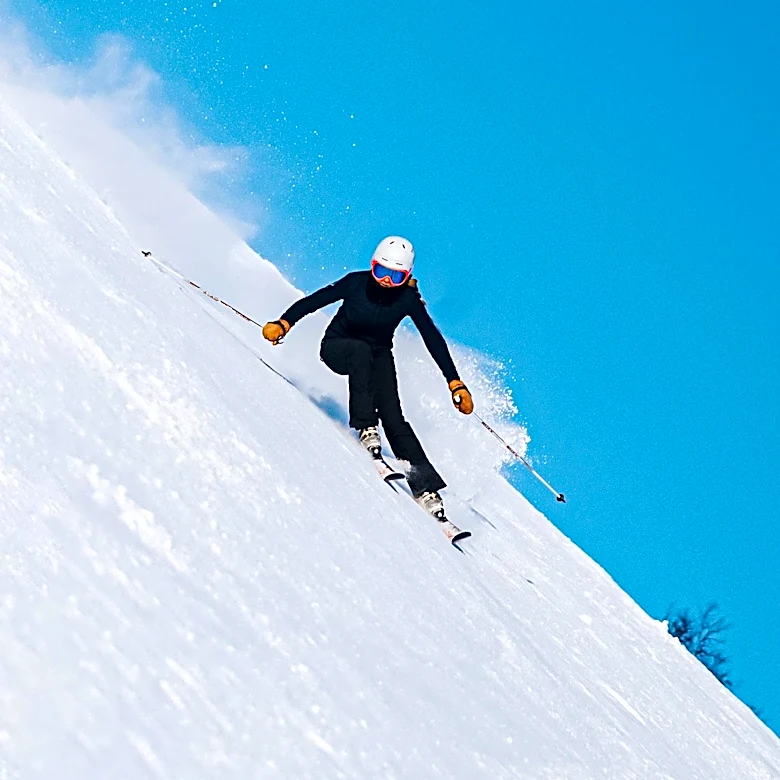
Ski fitness programs are designed to prepare individuals for skiing by focusing on key physical attributes such as leg strength, single-leg control, balance, and aerobic capacity. This pre-conditioning is crucial for preventing injuries and managing fatigue
during long days on the slopes. Current sports-medicine guidance highlights that fatigue can significantly impair balance and reaction time, making adequate rest a critical safety measure. For groups with mixed abilities, it's important to recognize that fitness, technical skill, and confidence are distinct factors that need to be managed effectively to ensure everyone's comfort and safety. Additionally, structured post-surgical rehabilitation is vital for those recovering from knee or other ligament injuries, underscoring the importance of targeted physical preparation for skiing.
Why It's Important?
The emphasis on pre-ski conditioning has significant implications for the U.S. winter sports industry and public health. By promoting better physical preparation, ski resorts and related businesses can potentially see a reduction in ski-related injuries, which could lead to lower healthcare costs and increased participation in the sport. For individuals, improved fitness translates to a more enjoyable and safer skiing experience, reducing the risk of common injuries like ACL tears or sprains. This approach also encourages a more inclusive environment on the slopes, as managing varying fitness levels within a group allows more people to participate without feeling pressured or physically overwhelmed. The focus on injury prevention and recovery also aligns with broader public health initiatives aimed at promoting active lifestyles while minimizing associated risks.
What's Next?
The trend towards specialized ski fitness programs is likely to continue, with more gyms and trainers offering tailored conditioning. Ski resorts and tour operators may increasingly integrate fitness recommendations into their packages, potentially offering pre-trip workout guides or partnerships with fitness centers. Educational campaigns promoting the importance of pre-conditioning could become more prevalent, targeting both novice and experienced skiers. Furthermore, advancements in sports science and rehabilitation techniques will likely lead to more sophisticated and personalized fitness plans, further enhancing safety and performance on the slopes. The industry may also see a rise in wearable technology and apps designed to track and improve ski-specific fitness metrics.
Beyond the Headlines
Beyond the immediate benefits of injury prevention and enhanced performance, the focus on ski fitness reflects a broader cultural shift towards proactive health and wellness in recreational activities. It highlights the understanding that physical preparation is not just for elite athletes but for anyone engaging in demanding sports. This approach fosters a more responsible and sustainable engagement with winter sports, encouraging participants to respect their physical limits and invest in their long-term well-being. It also underscores the psychological aspect of skiing, where confidence and enjoyment are deeply intertwined with physical capability, suggesting that proper preparation can enhance mental resilience on the mountain. This holistic view of fitness for recreation could influence other adventure sports, promoting a more prepared and mindful approach to outdoor activities.