







What's Happening?
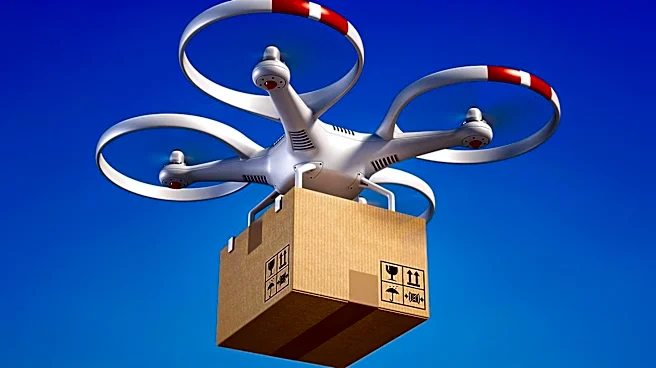
Georgia-Pacific is conducting a trial of an autonomous drone system at its Alabama River Cellulose mill in Perdue Hill, Alabama. This initiative marks the company's first use of an autonomous drone for construction progress monitoring. The drone system is designed
to track construction developments on a daily, weekly, and monthly basis. Previously, image collection for this purpose relied on individual personnel, which often led to inconsistencies in routes, height, and positioning, introducing variability into the captured data. The primary goal of implementing this automated approach is to reduce the need for manual image collection and minimize the exposure of pilots to potential hazards within the industrial facility. By automating this process, Georgia-Pacific aims to provide consistent and reliable progress information to leaders and decision-makers, thereby optimizing employee time and enhancing safety protocols. The Alabama River Cellulose mill, acquired by Georgia-Pacific in 2010, specializes in producing bleached softwood kraft pulp, which is supplied as market pulp in bales and fluff pulp in rolls.
Why It's Important?
This deployment of autonomous drone technology by Georgia-Pacific signifies a broader trend in U.S. industrial sectors towards automation for enhanced safety and efficiency. By reducing human exposure to hazardous industrial environments, the company is setting a precedent for how technology can mitigate workplace risks, which is crucial in heavy industries like pulp and paper manufacturing. The consistent data collection offered by autonomous drones eliminates the variability inherent in manual inspections, leading to more accurate and reliable progress tracking. This improved data quality can inform better decision-making, potentially accelerating project timelines and reducing costs associated with construction and maintenance. Furthermore, freeing up employees from routine, potentially dangerous tasks allows them to focus on more complex and value-added activities, contributing to overall operational efficiency and employee satisfaction. This move also highlights the increasing emphasis on return on investment for new technologies, as companies seek to justify the adoption of advanced systems through tangible benefits in safety, cost, and productivity.
What's Next?
Following this initial trial, Georgia-Pacific will likely evaluate the effectiveness and return on investment of the autonomous drone system at its Alabama River Cellulose mill. If successful, the company may consider expanding the use of this technology to other facilities across its operations, potentially standardizing construction monitoring and safety protocols. The insights gained from this trial could also influence the development of new applications for autonomous drones within the industrial sector, such as inventory management, infrastructure inspection, or environmental monitoring. Other companies in similar industries may observe Georgia-Pacific's results, potentially leading to wider adoption of autonomous drone technology for similar purposes. This could foster innovation in drone capabilities and regulatory frameworks for their use in industrial settings, further integrating automation into U.S. manufacturing and resource management.
Beyond the Headlines
The adoption of autonomous drones in industrial settings like Georgia-Pacific's mill represents a significant shift in operational paradigms, moving beyond simple automation to intelligent, self-guided systems. This development raises important questions about the future of industrial labor, as routine and hazardous tasks are increasingly taken over by machines. While it enhances safety and efficiency, it also necessitates a re-evaluation of workforce skills and training to manage and maintain these advanced technologies. Ethically, the use of autonomous systems requires careful consideration of data privacy, system reliability, and the potential for unintended consequences. Legally, it may prompt new regulations concerning drone operation in private industrial airspace and data ownership. Culturally, it reflects a growing acceptance and integration of AI and robotics into core industrial processes, signaling a broader societal transformation towards a more automated and data-driven economy. This trial is not just about a drone; it's about the evolving relationship between technology, labor, and safety in American industry.