







What's Happening?
Jane Brosseau, a mother of 10, is gaining attention for her 'extreme grocery budgeting' techniques, which allow her to feed her large family for just $1 to $2 per person per meal. Brosseau, who shops twice a week, employs several strategies to manage
her food budget. Her first tip is to stick to a rotating list of only about eight cost-efficient meals that her children will eat, ensuring consistency and minimizing waste. For example, a four-ingredient crockpot meal of spaghetti, sausage, peppers, and sauce costs around $2 per person. Secondly, she focuses on 'underrated' proteins like chicken drumsticks, which she combines with vegetables like broccoli and potatoes for a $1.50 per person sheet pan meal. Finally, Brosseau incorporates theme nights, such as breakfast for dinner, appetizers, and at-home fast food versions, to keep meals fun and within budget, avoiding expensive takeout.
Why It's Important?
In an era of rising food costs and inflation, Jane Brosseau's extreme grocery budgeting strategies offer practical solutions for U.S. families struggling to manage household expenses. Her methods highlight the importance of meal planning, strategic shopping, and creative cooking to maintain a healthy diet on a tight budget. This approach can significantly impact family finances, freeing up resources for other necessities or savings. For the broader economy, widespread adoption of such budgeting techniques could influence consumer demand for certain products, potentially shifting purchasing patterns towards more affordable ingredients and away from higher-priced convenience foods or restaurant meals. This trend also underscores the ongoing financial pressures faced by many American households, making cost-saving measures in essential areas like food increasingly vital.
What's Next?
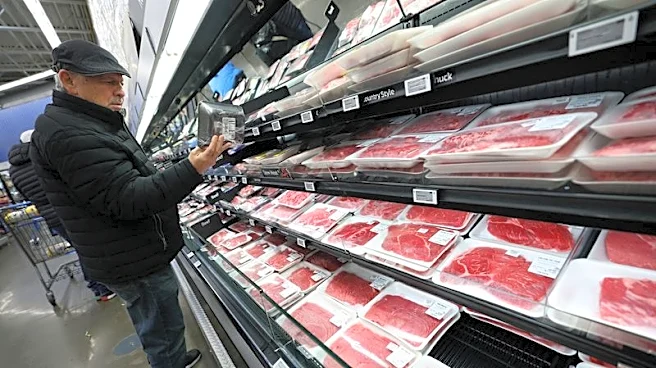
As the cost of living continues to be a concern for many U.S. households, extreme grocery budgeting hacks like Jane Brosseau's are likely to gain more traction and visibility. We can expect to see an increase in online content, workshops, and community groups dedicated to sharing similar money-saving strategies for food. Supermarkets and food brands might respond by offering more budget-friendly options, larger family packs, or promoting cheaper cuts of meat and versatile vegetables. There could also be a growing interest in home cooking and meal preparation as consumers seek to control their food expenses more effectively. This trend may also prompt discussions about food affordability and access, potentially influencing public policy debates around food assistance programs and inflation control.
Beyond the Headlines
Beyond the immediate financial savings, extreme grocery budgeting reflects a deeper cultural shift towards resourcefulness and mindful consumption in the face of economic pressures. It challenges the convenience-driven food culture by promoting home cooking and strategic meal planning, which can lead to healthier eating habits and reduced food waste. This approach also fosters a sense of empowerment and control over household finances, which can be particularly valuable during uncertain economic times. Furthermore, it highlights the ingenuity required by many families to thrive, or even just survive, within current economic realities, prompting a broader societal conversation about the true cost of living and the support systems available to families.